Wedding and event photography does not always need to feel formal. In fact, many memorable images come from dinner tables, welcome bags, dance floors, garden corners, and quiet moments between scheduled photos. Therefore, disposable cameras for wedding projects work well when the camera is treated as a guest activity, a themed table item, and a customizable promotional gift. However, the order still needs careful planning. Film amount, flash, photo quantity, custom covers, stickers, screen printing, inner paper boxes, outer paper boxes, and delivery timing all shape the final result.
Quick Navigation
Why They Work Film & Flash Custom Options Product Choices Bulk Order KMSUPERB Support FAQ
Why Disposable Cameras Are Popular for Weddings
First, a disposable camera gives guests a simple way to join the story. A professional photographer still handles portraits, ceremony shots, and key scenes. Meanwhile, small film cameras collect informal photos that feel relaxed, funny, and personal.
Moreover, film photography has a warm look that fits many wedding themes. Soft grain, flash highlights, slight blur, and imperfect framing can make reception photos feel more alive. As a result, the camera becomes both a photo tool and an atmosphere item.
In addition, the format is easy to place across a venue. Cameras can sit on guest tables, near the welcome sign, beside the guest book, inside event bags, or at a photo corner. Therefore, event teams can create interaction without adding apps, chargers, or complicated instructions.
Suitable for These Wedding and Event Projects
|
Film, Flash and Photo Quantity Options
Next, the camera specification should match the event setting. A daytime garden wedding, an indoor hotel reception, and a late-night party do not need the same setup. Therefore, film amount, film category, flash, and exposure count should be reviewed before artwork approval.
In most cases, a wedding camera is not selected like professional photography equipment. Instead, it is selected for easy operation, guest participation, visual consistency, and bulk handling. In other words, the product needs to feel simple on the table and organized behind the scenes.
| Planning Point | What to Confirm | Why It Matters |
| Amount of Film | 8, 12, 24, 27, 36, or project-specific exposure options | Controls how many photos each table, station, or gift pack can capture. |
| Film Category | Color film, black-and-white film, mid-grade color film, or high-grade color film | Shapes the final mood of wedding, party, travel, and brand event photos. |
| Flash | Built-in flash, no-light option, or model-based flash range | Important for indoor receptions, evening parties, and dance floors. |
| Distribution | Table placement, welcome bags, photo stations, or event kits | Helps avoid over-ordering and keeps collection easier after the event. |
Amount of Film
First, the amount of film should follow the way each unit will be used. A camera placed on a table may need enough photos for several guests. However, a camera packed as a small event gift may not need as many exposures.
For example, 12-photo and 18-photo options can suit short events, welcome packs, and simple favor programs. Meanwhile, 24-photo, 27-photo, or 36-photo options usually make more sense for longer receptions, multi-area venues, and active photo stations.
Film Categories
In addition, film category affects the final photo style. Color film is often the safest choice for weddings because it records flowers, outfits, table settings, and venue details naturally. Meanwhile, black-and-white film can support a stronger vintage or editorial direction.
However, the film choice should connect with the event mood. A garden ceremony may need soft color images. A retro cocktail party may suit a higher-contrast style. Therefore, the film decision should be part of the creative brief, not a last-minute option.
Flash or No Flash
Flash is especially important for indoor and evening events. Reception halls, hotel ballrooms, restaurants, and dance floors often have low light. Therefore, a built-in flash camera usually gives guests a better chance of taking usable photos.
Still, no-light options can fit bright daytime scenes or certain budget-led programs. In practice, the venue schedule should guide the choice. A noon outdoor ceremony and a midnight after-party clearly need different camera planning.
For general film-camera context, Kodak Alaris explains single-use cameras as simple point-and-shoot cameras for situations where extra camera gear is not convenient. This supports the practical role of simple film cameras at casual event moments.
Custom Covers, Stickers and Paper Boxes
After the specification is clear, the visual design becomes the main conversion point. A plain disposable camera can work, but a customized camera looks more intentional on a wedding table. Moreover, a coordinated cover or paper box can connect the product with invitations, menus, flowers, signage, and gift packaging.
For a clean result, design should stay simple. Small cameras have limited printable space, so crowded artwork often looks messy. Instead, names, dates, event icons, venue drawings, short phrases, or a compact logo usually work better.
Customization Options to Compare
|
Furthermore, packaging should not be treated as decoration only. It also affects storage, sorting, transport, and on-site setup. A boxed camera can feel more gift-ready, while clear carton marking can help event teams place products quickly.
For larger programs, the production method may depend on quantity, artwork complexity, color count, packaging requirements, and schedule. As a result, a logo file, color reference, event date, and packing plan should be prepared before final quote discussion.
Product Choices for Wedding and Event Projects
Different wedding and event concepts need different camera directions. Some projects need a clean metallic look. Others need a softer wedding-themed cover or a personalized disposable cameras style. The following KMSUPERB product choices give clear reference points for specification, artwork, and packaging discussion.
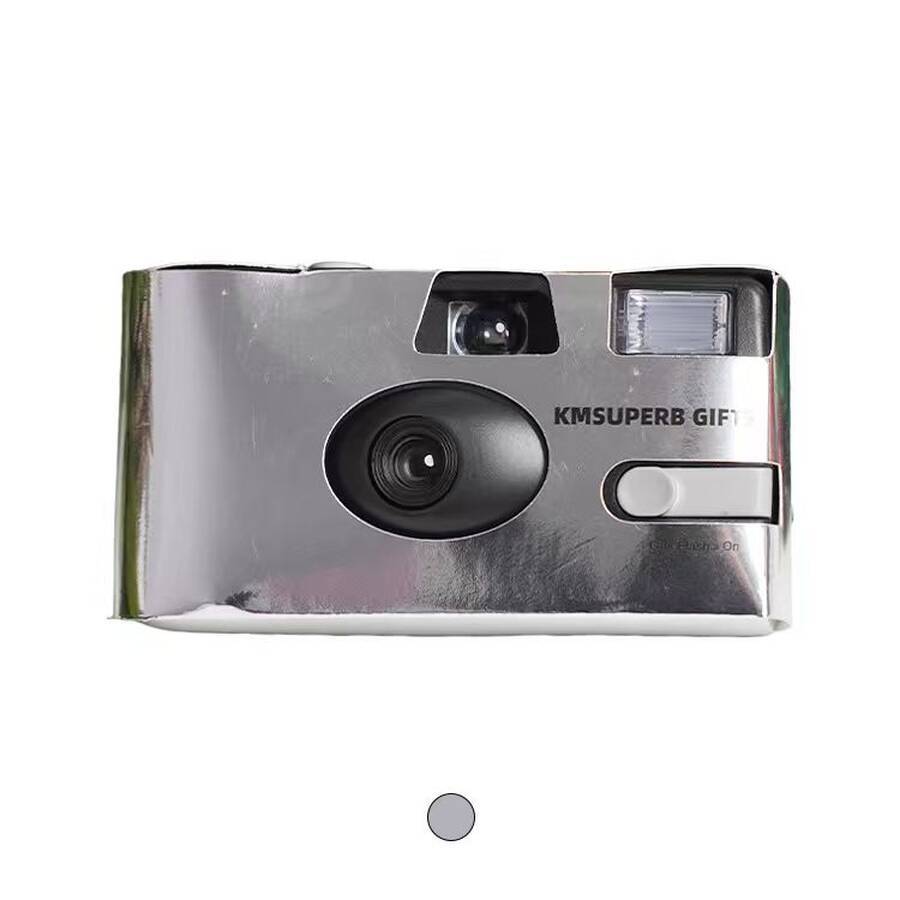
Silver Disposable CameraA clean metallic direction for hotel receptions, evening events, party tables, and branded event kits. View Product |
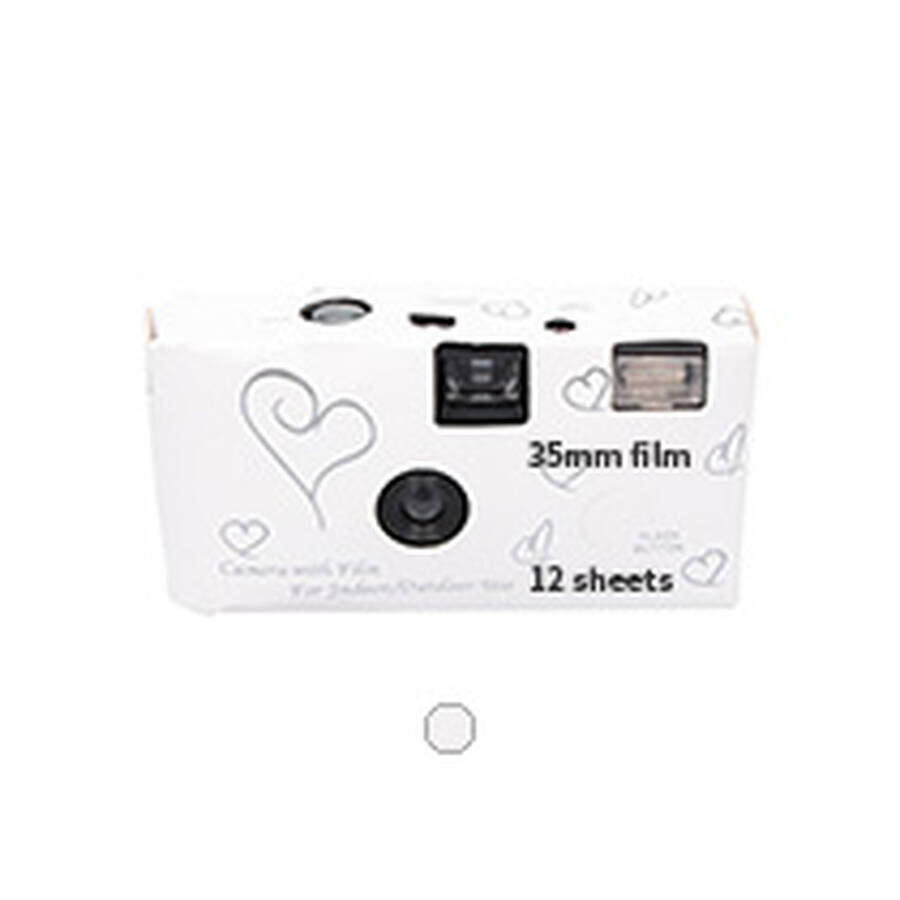
Heart-Shaped Case Disposable CameraA softer wedding-style direction for guest tables, welcome packs, romantic themes, and favor programs. View Product |
Bulk Order Details to Confirm Before Production
Bulk planning should begin with the event layout. A seated dinner, a hotel welcome program, and a wedding fair giveaway all require different quantities. Therefore, the order brief should describe where cameras will be placed, how they will be packed, and how they will be collected.
In addition, the quote request should include more than a product name. Quantity, logo file, target event, packaging requirement, and delivery schedule help KMSUPERB review the project more accurately. Without those details, pricing and timing can remain too broad.
Recommended Selection Path
|
Table Placement
For seated receptions, table count gives a useful starting point. One camera per table may work for small groups, while longer tables or lively receptions may need extra units. In addition, a short instruction card can invite guests to take photos and return cameras after the celebration.
Welcome Bags
For destination weddings, welcome bags turn the camera into a personal keepsake. However, this approach needs stronger packaging control. Inner paper boxes, outer cartons, and packing lists help hotel teams, venue teams, and event staff manage distribution.
Gift Sets and Event Kits
For wider promotional programs, cameras can join other event gifts. In this case, gift sets may help build a more complete package. Still, the camera should remain relevant to the event story rather than becoming a random add-on.
KMSUPERB Wedding Camera Customization and Packaging
KMSUPERB supports promotional product programs that require product selection, logo customization, packaging planning, and bulk quote preparation. For wedding camera projects, the discussion can begin with the event scene, estimated quantity, artwork direction, and delivery deadline.
Moreover, customization planning should happen early. A high-resolution logo or vector file helps confirm size, position, and print method. Meanwhile, color notes and reference photos help production teams understand whether the final look should feel romantic, playful, minimal, rustic, or premium.
What to Send for a Faster Quote
|
For branding method review, the printing process resource can support early planning. It helps event teams compare common logo methods before final artwork confirmation.
FAQ
Are disposable cameras suitable for wedding receptions?
Yes. They work well for guest tables, welcome bags, photo stations, and relaxed party moments. However, they should support professional photography rather than replace it.
Should a wedding camera order choose flash?
For indoor venues and evening receptions, flash is usually a practical choice. It helps guests take clearer photos in lower light. Outdoor daytime events may need less flash support.
How many cameras are needed for an event?
The number depends on table count, guest count, venue layout, and use case. Table placement, welcome bags, and photo stations all need different quantity planning.
Can covers, stickers, and boxes be customized?
Yes. Available options can include custom covers, stickers, screen printing, inner paper boxes, and outer paper boxes. The final method depends on artwork, quantity, packaging, and schedule.
What information helps KMSUPERB prepare a quote?
A complete request should include quantity, logo file, target event, packaging requirement, delivery schedule, destination country, and any reference artwork.
Final Selection Advice
In summary, a wedding film camera order works best when the product feels easy for guests and organized for the event team. The camera should match the venue, lighting, table layout, theme, packaging level, and delivery deadline. Therefore, the strongest plan connects the creative idea with practical production details.
- First, define the event use. Choose table placement, welcome bags, photo stations, or boxed gift sets before confirming quantity.
- Second, confirm the camera specification. Review film amount, film category, flash, exposure count, and camera style.
- Finally, prepare the customization brief. Include logo file, design direction, stickers, screen printing, inner box, outer box, and delivery schedule.
Plan a Custom Wedding Camera ProjectFor disposable cameras for wedding projects, KMSUPERB can review camera style, film amount, flash, custom cover, stickers, screen printing, inner paper box, outer paper box, quantity, and delivery schedule. A clear request with quantity, logo file, target event, packaging requirement, and required arrival date helps the team prepare a more practical quote. Contact KMSUPERB |