Good disposable camera storage protects more than shelf space. When cameras are ordered for a wedding, conference or brand event, the real priorities are to avoid unnecessary heat and moisture exposure, keep each delivery tied to the right project, and identify problems while there is still time to act.
This becomes especially important when cameras arrive weeks or months before a wedding, conference, brand activation or distributor program. Several cartons may look interchangeable while belonging to different order references, artwork versions, packaging arrangements or receipt dates. Once those batches are mixed without records, even a small discrepancy becomes harder to investigate.
Good storage decisions connect the receiving record, event allocation, storage conditions and release schedule. Batch rotation and an early function check help the team act on that information. Exact shelf-life or environmental limits should come from supplier instructions or confirmed product documentation, not assumptions drawn from a different camera or film product.
Manage cameras as dated and allocated event inventory, not anonymous cartons. Record when each receipt arrived, which event it belongs to, where it is stored and what supplier guidance applies. Keep batches distinguishable, avoid unnecessary heat and moisture exposure, use FIFO only among genuinely interchangeable stock, and schedule representative checks early enough to act on the result.
Plan Camera Storage Around the Event Date and Order
Decide who each delivery belongs to before the cartons enter general warehouse stock. Each delivery needs an operational owner: a specific event, purchase order, distributor allocation or clearly defined reserve pool.
Consider a team holding cameras for a corporate activation and a wedding at the same time. The cartons may look similar, but the projects can involve different quantities, artwork or packaging. If the stock is merged because it happens to fit on the same shelf, the storage room has already lost information that may be needed during staging.
Holding time changes the level of control required as well. A delivery received shortly before an event may move quickly from receiving to staging. Inventory held substantially earlier needs stronger location records, fewer unnecessary moves and periodic reconciliation so the original event allocation remains intact.
If the camera specification is still being finalized, review the available single use camera options before locking the event allocation. Product selection and storage control are separate decisions: choose the camera first, then protect the confirmed inventory through receiving, holding and release.
Record the Batch, Receipt Date and Event Allocation Before Stock Is Mixed
A useful storage record does not need to be complicated. It needs to answer four questions quickly: what arrived, when did it arrive, where is it now, and which event is expected to use it?
Use information that actually exists. If the supplier provides a batch, lot or date code, record it exactly as shown. If there is no usable supplier identifier, create an internal receiving reference so separate deliveries do not become indistinguishable later.
Why the event date belongs in the inventory record
The event date creates operational priority, but it does not automatically decide which carton should be released. An earlier event may require attention first while still needing a different camera style, customized cover or packaging arrangement from another batch already in storage.
Keep receipt date, supplier identification and event allocation as separate pieces of information. The event date tells you when the cameras are needed; it does not identify when they arrived or which receipt was supplied.
Manage Heat and Humidity as Exposure Risks, Not Generic Numbers
Storage teams naturally want a temperature and relative-humidity number because numerical limits look easy to place on a warehouse instruction. The problem is that an unverified figure can create false confidence when it has not been confirmed for the actual camera, film configuration and packaging being held.
For cameras held in advance of an event, start by reducing avoidable heat exposure. Keep inventory away from direct sunlight, hot vehicles, local heating sources and temporary loading areas that may become substantially warmer than the normal storage room.
Keep the environment stable and predictable
Use a storage room where cartons can remain protected from direct sun, localized heat, water exposure and unnecessary moves between substantially different environments.
Preserve protective packaging and batch labels where appropriate so event inventory remains identifiable until the planned inspection or staging step.
Do not turn temporary staging areas into storage
Vehicles, loading docks, damp corners and sun-facing spaces may be convenient during handoffs but should not become uncontrolled holding locations.
If unusual conditions cannot be avoided, describe them to the supplier and request guidance for the actual camera and planned holding period.
Moisture deserves the same attention. Avoid visible dampness, condensation, leaking areas and locations where floor moisture or cleaning water could reach cartons or protective packaging.
Routine inventory work is also not a reason to open every individual camera. Where supplied packaging is intended to remain closed until use, preserve it unless receiving inspection, sampling or supplier instructions require otherwise. Excess handling makes it harder to distinguish untouched event stock from checked or sampled units.
For general photographic-film background, Kodak's Storage and Handling of Unprocessed Film discusses temperature, humidity, extended storage and condensation. Those figures should not automatically be copied as the storage specification for a different finished camera; applicable instructions should still be confirmed for the selected product and batch.
A finished camera is a complete product rather than loose film stock. Refrigeration, freezing or another unusual storage method should only be introduced when instructions for the actual product support it. Moving products between substantially different environments can also create condensation-management questions.
Rotate Camera Batches Without Losing Event Traceability
FIFO—first in, first out—is a useful starting point for rotating disposable camera batches, but it should not be applied blindly. The oldest carton in the storage room is not automatically the correct carton for the next event.
A better decision starts with one question: which batches are eligible for this event? Only after product configuration, customization and allocation match should receipt date determine which eligible batch moves first.
How to rotate camera batches for events
Match the camera configuration, event allocation, customization and packaging before comparing receipt dates.
If the batch carries relevant date or shelf-life guidance, include it in the release decision instead of relying on warehouse receipt date alone.
Where batches are genuinely interchangeable and no other confirmed instruction changes priority, release the earlier eligible receipt first.
If a batch is skipped because of condition, customization, quarantine status or another reason, document that decision instead of silently moving to newer inventory.
Separate receipts should remain distinguishable even when they serve the same event. Preserved batch identity makes it possible to isolate a later issue to a particular receipt instead of questioning every camera in storage.
If a wedding program is still deciding film amount, flash requirements or camera quantity, settle those choices before final batch allocation. KMSUPERB's related guide to choosing film, flash and quantity for wedding disposable cameras covers those upstream decisions separately.
Compare Camera Options Before Final Batch Allocation
Storage is easier to manage once the camera style has been confirmed. Instead of preparing warehouse space for a generic “disposable camera,” the team can connect each receipt to a real product, event program and packaging direction.
The options below illustrate different purchasing directions within KMSUPERB's current Single Use Camera range. The storage principles remain the same: identify the actual product, confirm the order configuration, then keep that inventory traceable until the event.

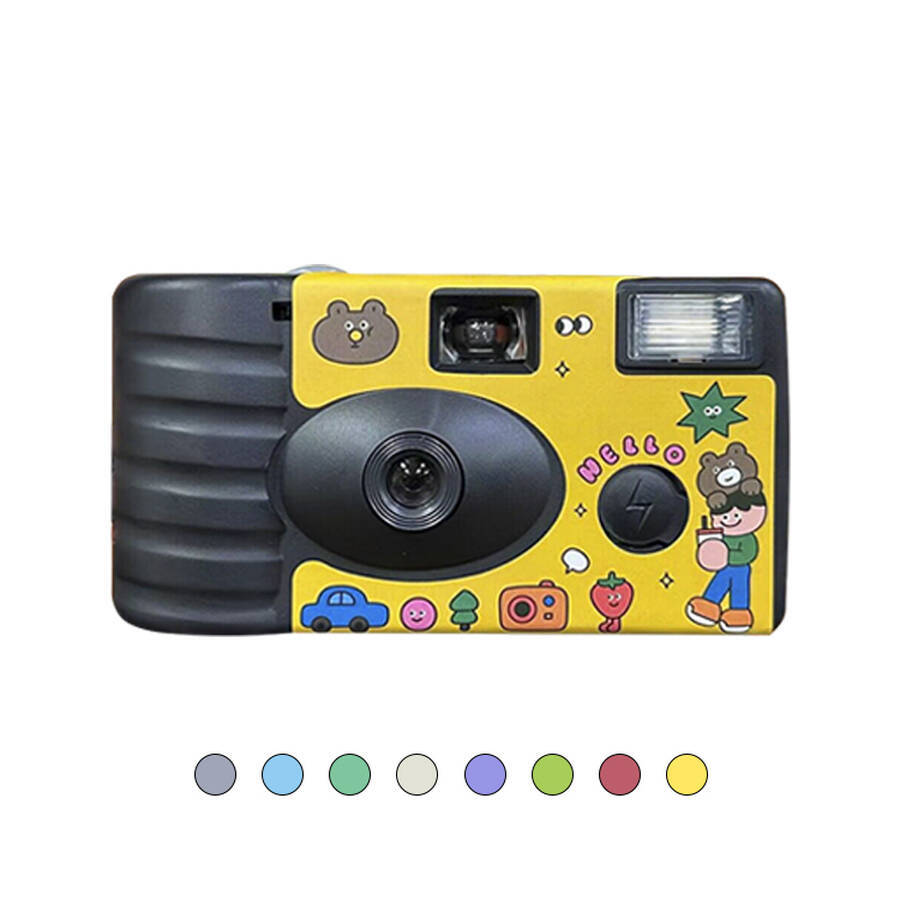

The product decision should come before final batch labeling. Once the camera style, quantity and customization direction are known, use the KMSUPERB Single Use Camera collection to compare the wider category, then assign each confirmed order to its own receiving and storage record.
Schedule the Pre-Event Function Check Before Final Venue Staging
A function check performed during event setup may identify a problem, but it leaves little room to investigate it. The useful check happens early enough that questionable stock can still be isolated and supplier guidance can be requested if required.
Sampling also affects the usable count. A camera operated for a check, particularly one that uses a film exposure, should not remain counted as untouched event stock. Record the sample and keep it connected to the receipt or batch it represents.
What should a function check cover?
Follow the normal operating instructions for the confirmed camera. Where appropriate to the model, a sample review may include exterior condition and normal user operations such as film advance, shutter operation or flash operation. The purpose is to check ordinary operation, not to dismantle the product or assume that a working shutter proves the film will produce acceptable photographs.
A successful sample from one receipt should not automatically clear every separate receipt in storage. Different batch identities or storage histories should remain independently traceable.
Separate Event Stock, Samples, Hold Inventory and Backup Cameras
A physical warehouse count can be correct while still overstating the quantity available for an event. Cameras may remain physically present even though they have already been sampled, placed on hold, reassigned or deliberately reserved as backup.
Final reconciliation should therefore answer two different questions: how many cameras are physically present, and how many are approved and allocated for this event?
Confirmed cameras assigned to the event and included in the venue release count.
Cameras held for a defined shortage or replacement situation rather than distributed automatically.
Samples, stock on hold, cameras assigned elsewhere and units already consumed during checking.
There is no universal backup percentage
A fixed percentage may look convenient, but it does not necessarily reflect how an event operates. Backup planning is more useful when it starts with access, layout and the consequences of running short.
A single-venue dinner with centralized storage may allow reserve cameras to remain in one controlled location. A conference spread across several rooms may require smaller reserve allocations near different activity zones. At a destination event, replacement stock may be difficult to obtain quickly, making the reserve decision more important before dispatch.
One venue: central backup may work when staff can reach it quickly.
Several rooms or zones: decide whether reserve cameras should be divided before load-out.
Destination event: consider what happens if a shortage is discovered after arrival.
Multiple simultaneous events: label reserve inventory clearly so one project does not consume another project's allocation.
Seven Questions to Answer Before Cameras Leave Storage
The final inventory check should confirm traceability and readiness rather than create another layer of unsupported specifications. If one answer is unclear, resolve it before the event stock is dispatched.
Receipt date, batch or internal reference and physical storage location should agree.
Check for event-date changes, partial releases or inventory reassigned since receiving.
Review cameras that spent unexpected time in hot, damp or otherwise uncontrolled locations and isolate concerns rather than mixing them silently back into normal stock.
Confirm product configuration and event ownership before receipt date determines the release sequence.
A questionable result should still leave time for investigation or supplier confirmation.
The release number should represent cameras that can actually be deployed.
Define where reserve cameras will be held and who can release them if they are needed.
Do Disposable Cameras Have Shelf Life Considerations?
Yes, but the useful answer is not an unsupported universal period. If product packaging, batch documentation or supplier instructions contain date guidance, record it at receiving and keep it connected to the relevant batch.
If no confirmed shelf-life information is available, do not create one internally. Send the actual event date, expected holding period and storage circumstances to the supplier and ask what guidance applies to the selected camera.
The same principle applies to numerical temperature and relative-humidity limits. General film-storage information can explain why environmental exposure matters, but values for another product should not be presented as verified specifications for the camera being purchased.
- Cameras will be held for an extended period before the event.
- The available storage room experiences unusual heat, humidity or seasonal variation.
- Packaging contains a date or batch code the team cannot interpret.
- Different camera styles or receipts may be combined for one project.
- There is uncertainty about sealed storage, sampling or another special handling requirement.
What Procurement Should Send Before Requesting a Quote
A useful inquiry does not need every technical answer. It needs the project information that changes the answer. Event date and quantity establish scale and timing. Expected receipt timing indicates how long the cameras may be held. Storage constraints show whether the planned environment needs additional confirmation.
Separate what is already known from what still requires supplier confirmation. That keeps the purchasing brief precise without filling it with invented shelf-life or environmental specifications.
Event date, required quantity, destination, expected receipt timing and whether the inventory will support one event or several allocations.
Expected holding period, unusual heat or humidity, storage-room limitations and whether inventory will move between locations.
Shelf-life guidance, date coding, storage instructions, packaging requirements, sample procedure or another batch-specific issue.
Questions Event Teams Often Still Have Before Release
These questions cover decisions that commonly remain open after the main storage plan has been established.
How should single use cameras be stored before an event?
Keep each receipt identifiable, maintain appropriate protective packaging and use a stable storage location protected from avoidable heat, moisture, direct sunlight and uncontrolled handling. Product-specific supplier instructions should take priority where they are provided.
How should camera batches be rotated?
Confirm that the batches are eligible for the same event and product configuration first. Then review supplier-provided date information and use FIFO among genuinely interchangeable stock. Record any batch that is deliberately skipped or held.
When should a pre-event function check be scheduled?
Schedule it with enough lead time to investigate a questionable result before the event. Keep the sample linked to the batch it represents and remove consumed samples from the usable inventory count.
Should FIFO always override the event allocation?
No. Event ownership, camera configuration, customization, packaging and supplier-provided date guidance should be checked first. FIFO determines rotation only among stock that can genuinely substitute for one another.
What storage details need supplier confirmation?
Confirm product-specific shelf-life or date guidance, storage and handling instructions, requirements for longer holding periods, and precautions needed when the actual storage environment involves unusual heat, humidity or another atypical condition.
Prepare the Information That Changes the Storage Decision
Have the event date, required quantity, expected receipt timing, planned holding period, selected camera direction and known storage constraints ready. If shelf life, date coding, packaging or environmental conditions still require confirmation, identify those points clearly rather than filling the brief with assumed limits.
Connect the Camera Order With the Event Date and Real Storage Conditions
Planning disposable camera storage for an event starts with identifiable inventory and a real schedule. Once the camera style, quantity, receiving date and holding conditions are known, product-specific requirements can be confirmed without relying on unsupported shelf-life or environmental limits.
Send KMSUPERB the event date, quantity, expected receipt timing, preferred camera direction and storage constraints. Include any open questions about holding time, batch identification, packaging or environmental conditions so the quotation and specification discussion can address the actual project.