Ranunculus
2027 Fresh Cut Ranunculus Bulbs for Sale
Company Code: HTN046
Scientific Name: Ranunculus asiaticus
Common English Names: Ranunculus / Persian Buttercup
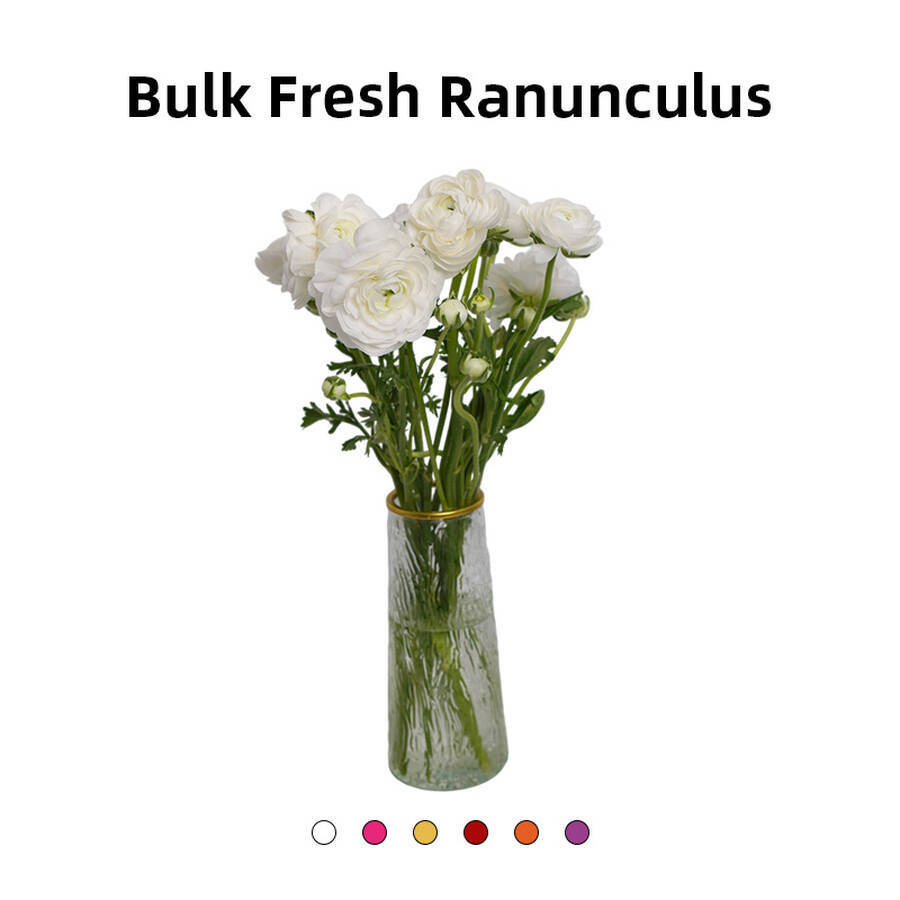
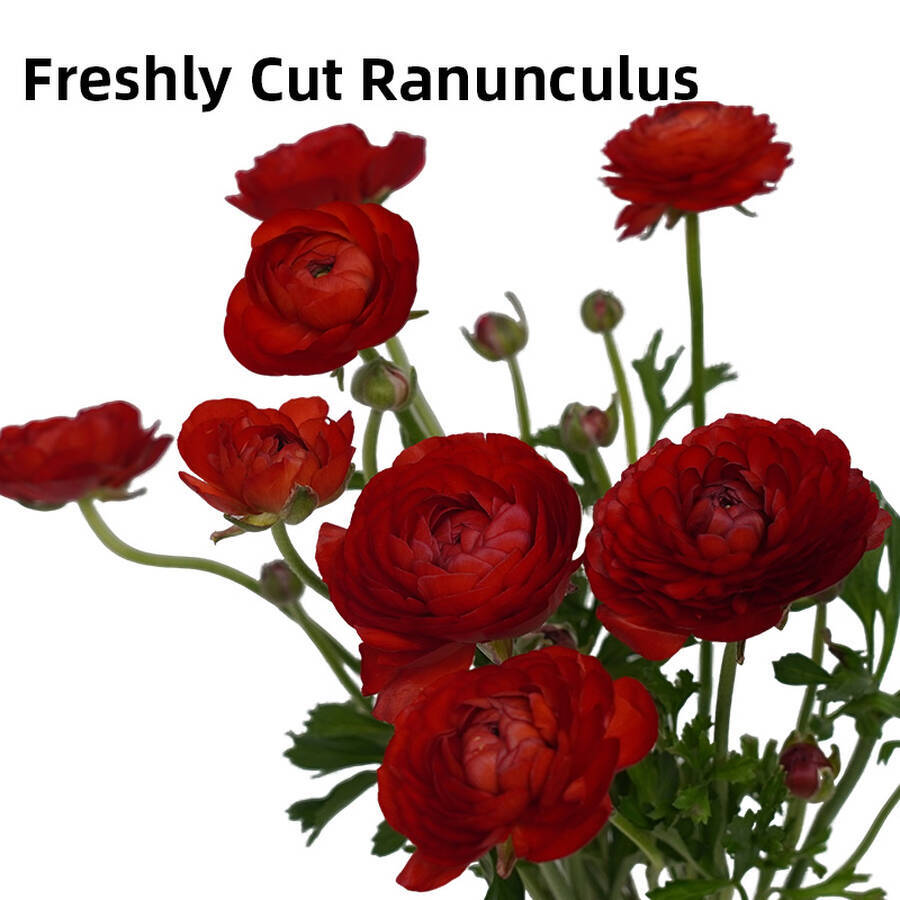
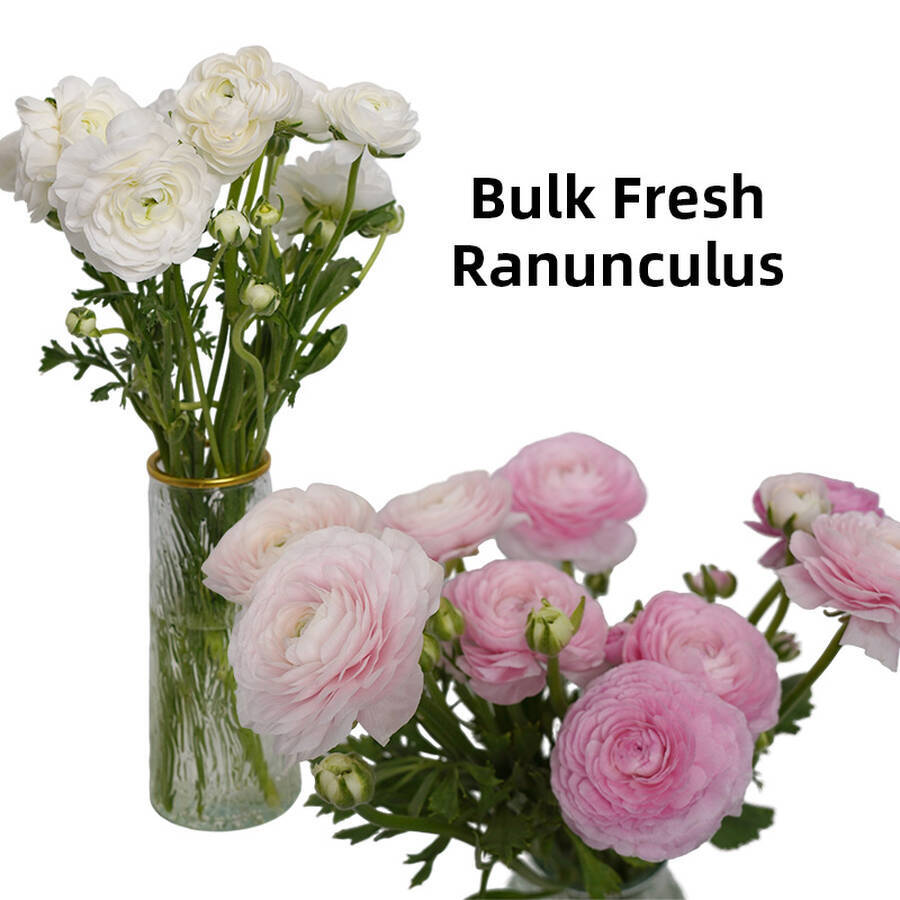
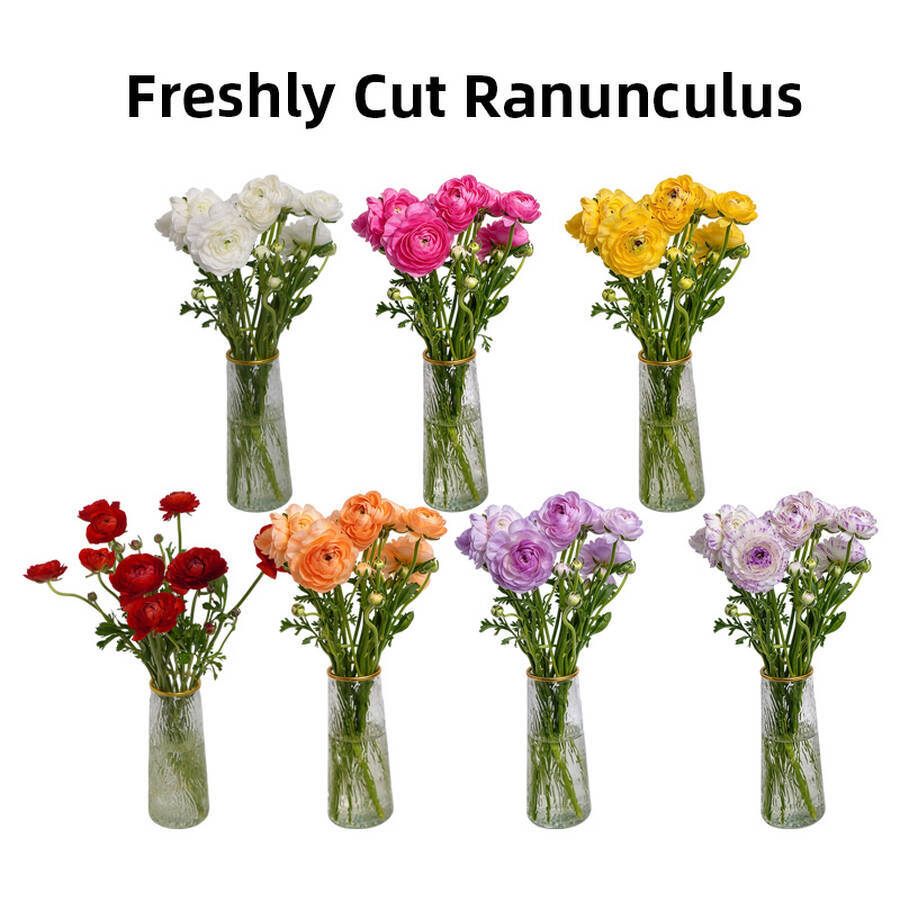
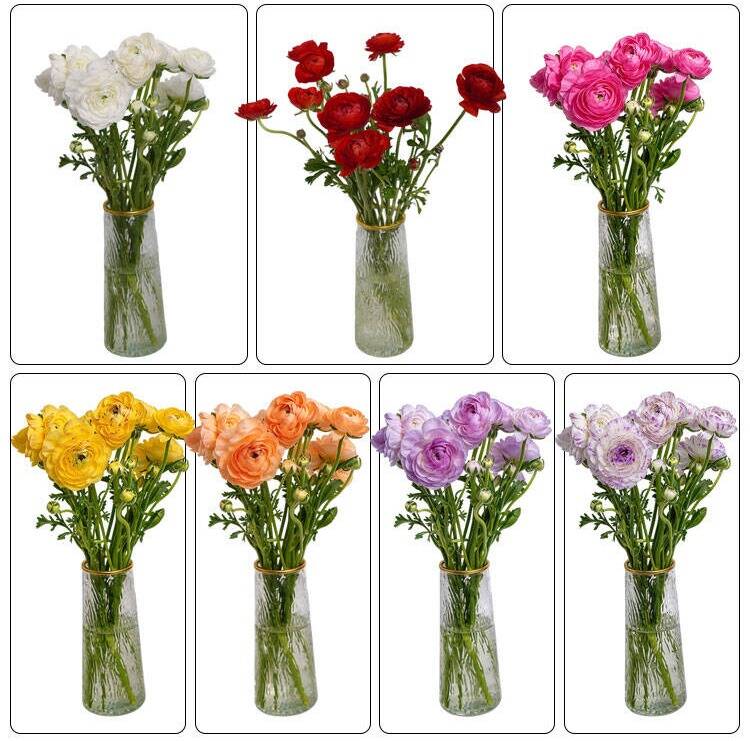
Flower Color: Pink, White, Yellow, Orange, Red, Burgundy, Champagne, Gradient/Bicolor
Stem Length: 60-65cm
Vase Life: 5-7 days
Stem Characteristics: Hollow stems; requires shallow water care and protection from crushing
Supply Season: Mainly Winter and Spring
Main Applications: Wedding bouquets, high-end floral design, main/filler flowers for retail bouquets
CERTIFICATES
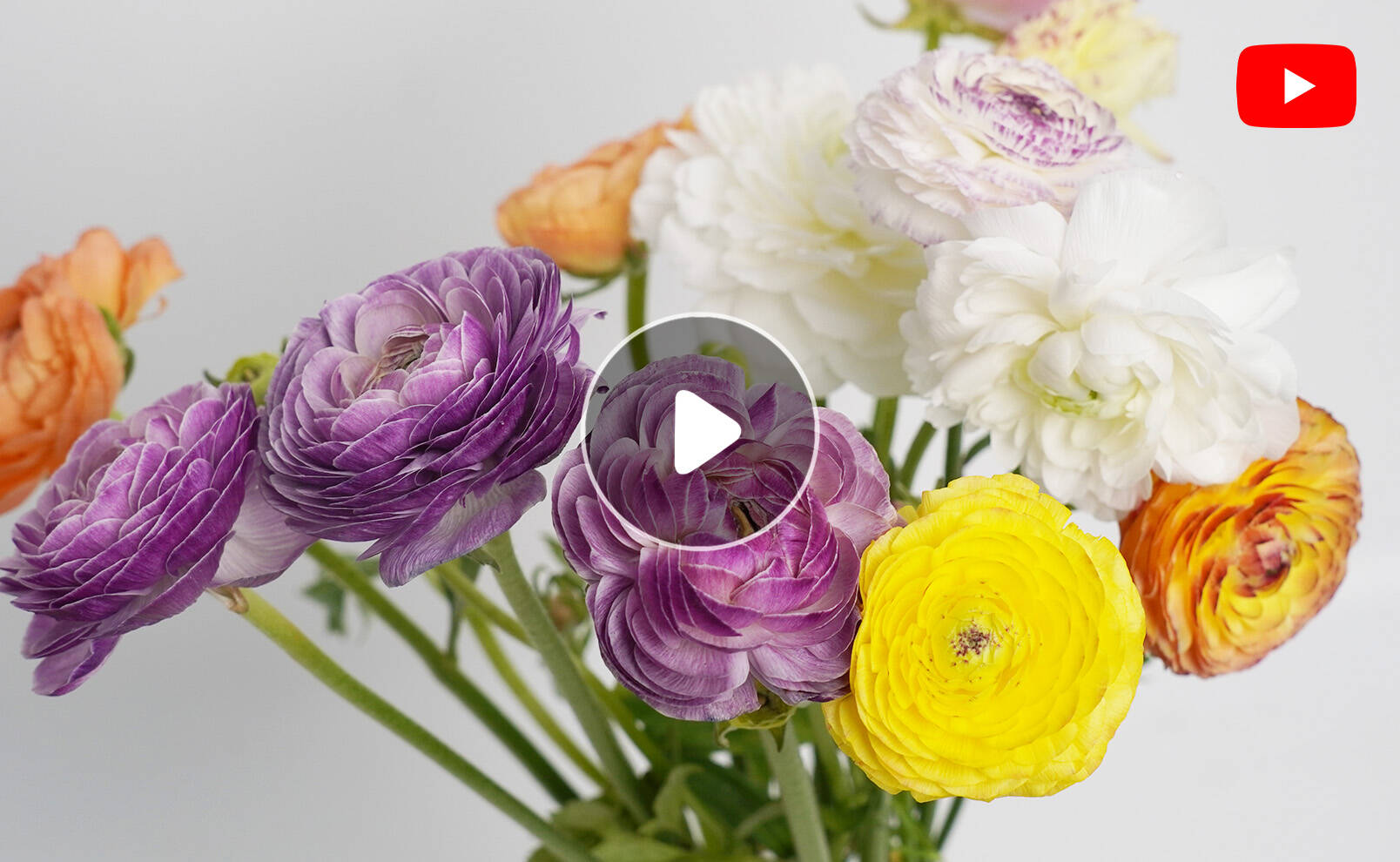
2027 Fresh Cut Ranunculus Bulbs for Sale
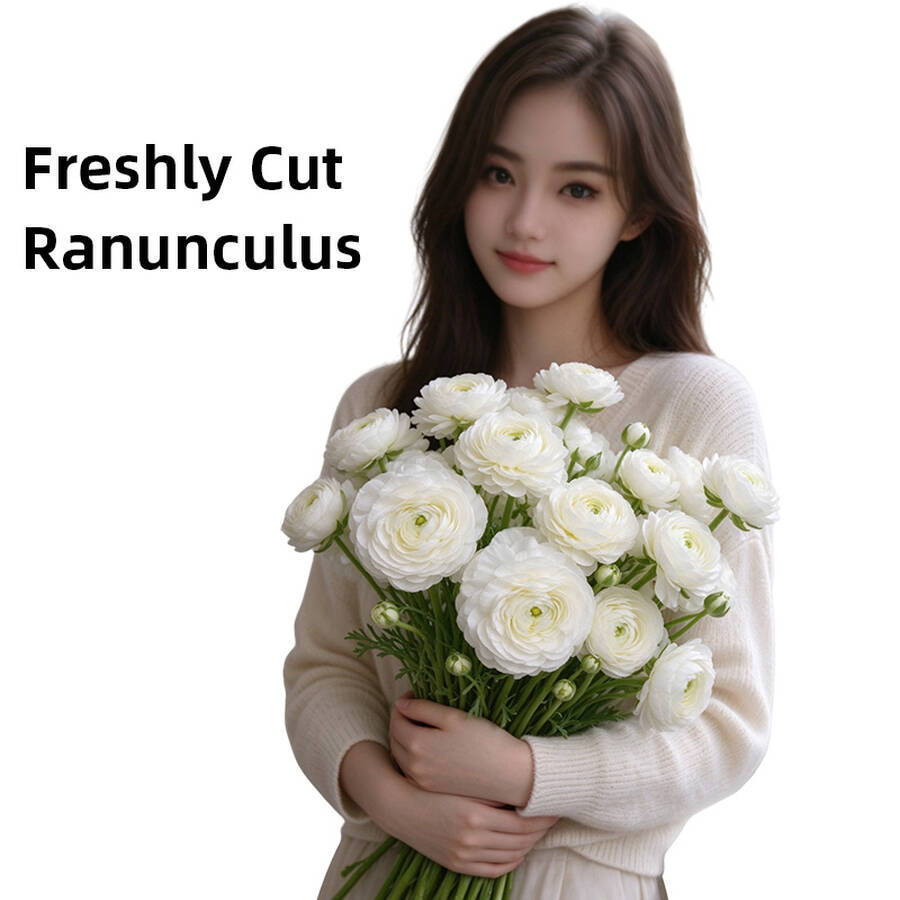
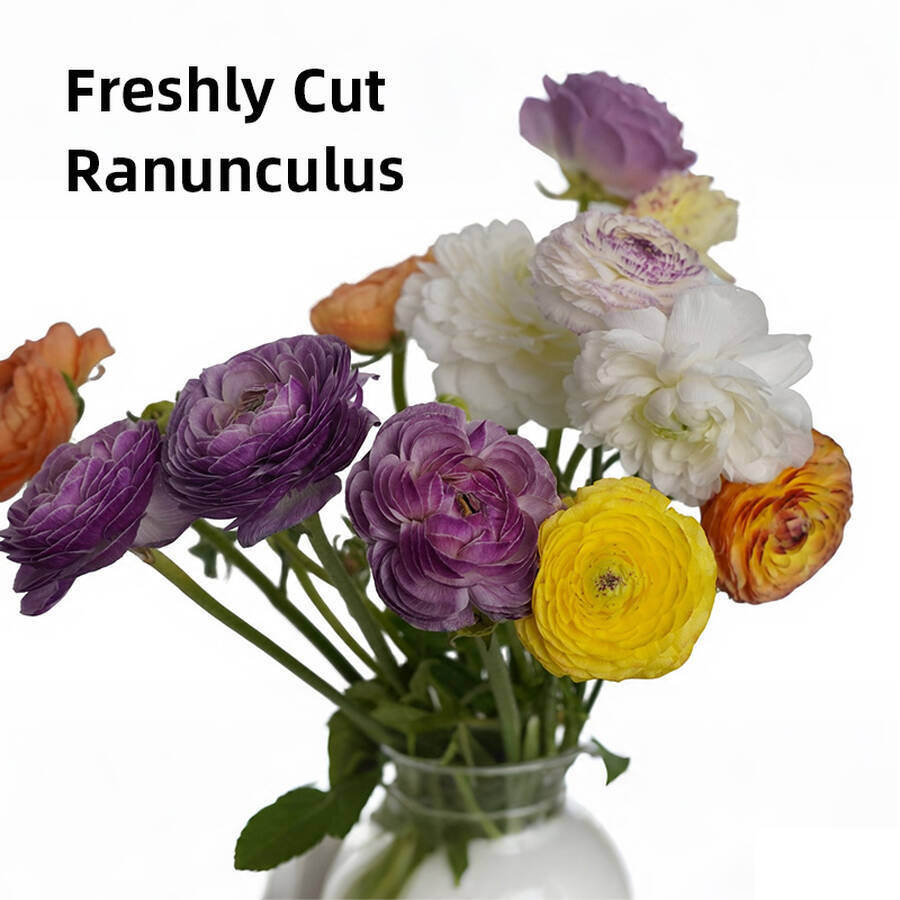
Also known in the market as Persian Buttercup, this perennial plant is beloved for its peony-like appearance. Although not a true peony, its layered, plump petals create a stunning visual. The thin, silky petals come in a rich array of colors—from white and pink to yellow, orange, red, purple, and gradient bicolors. Its low-saturation creamy tones bring a naturally soft, romantic vibe. Known as the affordable "Mini Peony," it offers a 7–10 day vase life and is a top choice for bouquets, home décor, and weddings. Note: The stems are hollow and soft, so a little special care is needed to keep them blooming beautifully.
Style
Advantages
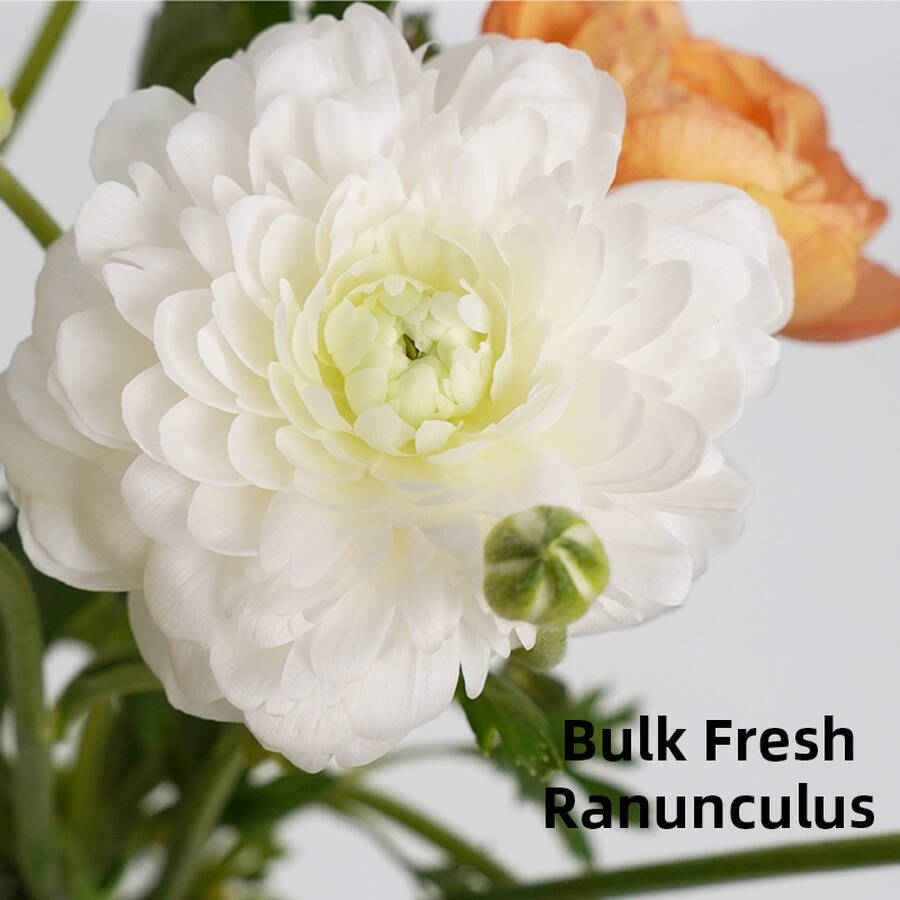
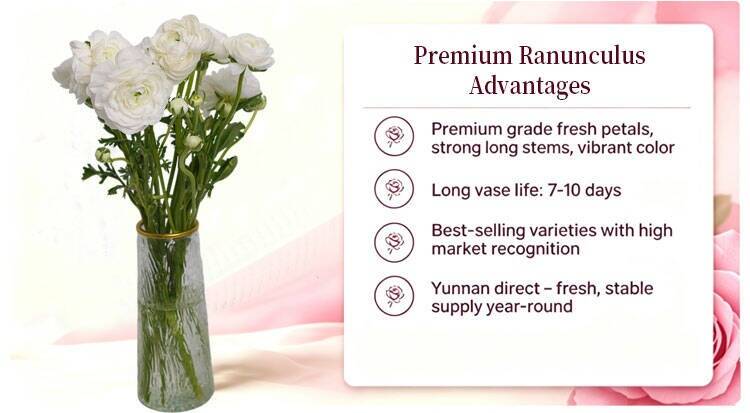
1. Silk-Like Layered Petals, Beauty Rivaling the Peony
Ranunculus petals are thin yet supple, tightly layered to form a round, plump shape that resembles a miniature peony. Low-saturation tones like creamy pink, champagne yellow, and vintage red naturally carry a soft, high-end filter effect. They can serve as either the main or accent flowers in bouquets.
2. Exceptionally Rich Colors, Versatile for Any Style
Featuring a wide range of colors—white, pink, yellow, orange, red, purple, and gradient bicolors—it can pull off looks ranging from fresh and girlish to vintage and rich. Paired with eucalyptus leaves, lisianthus, and tulips, it easily creates Korean, French, and natural styles.
3. Hollow and Soft Stems Require "Smart Care"
Ranunculus stems are hollow with weak water conductivity; placing them directly in deep water can easily cause stem rot. Master the essentials of shallow water care, frequent water changes, and angled stem cuts, and the flowers will open beautifully. The vase life reaches 7–10 days, and even longer with proper care.
4. Beautiful Floral Language: Symbolizing "Popularity and Charm"
The flower language of Ranunculus includes popularity, wealth and good fortune, charming appeal, and perfection. It is suitable for gifting to friends, lovers, and elders to express praise and blessings. It is also often used in wedding florals, symbolizing a charming and blissful couple.
5. Buds Open Sequentially, a Display Full of Surprises
Ranunculus buds will open one after another. What you buy may initially be tight buds, but after a few days of care, they will gradually unfurl. There are new changes every day, making the display experience full of anticipation.
Suitable scenarios
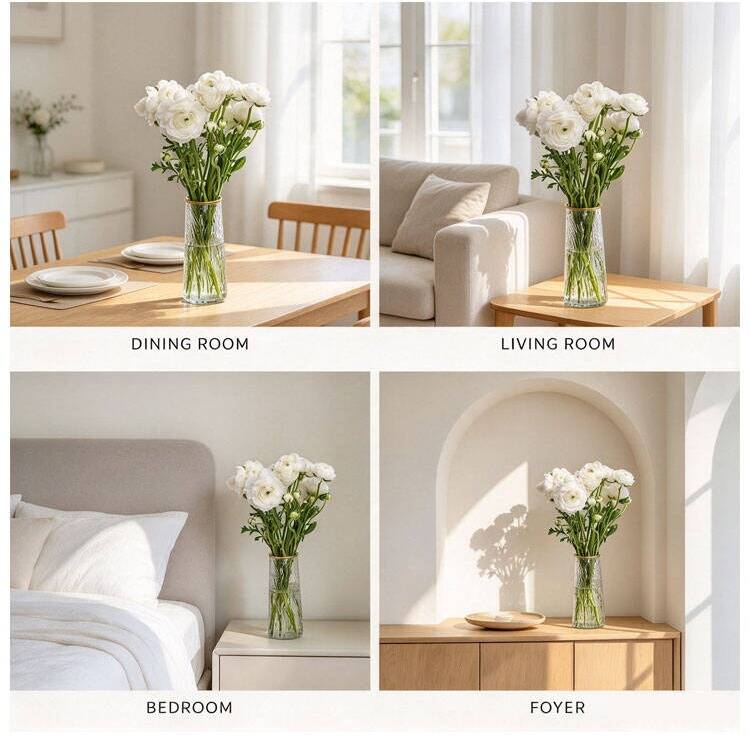
- Home Vase Arrangements
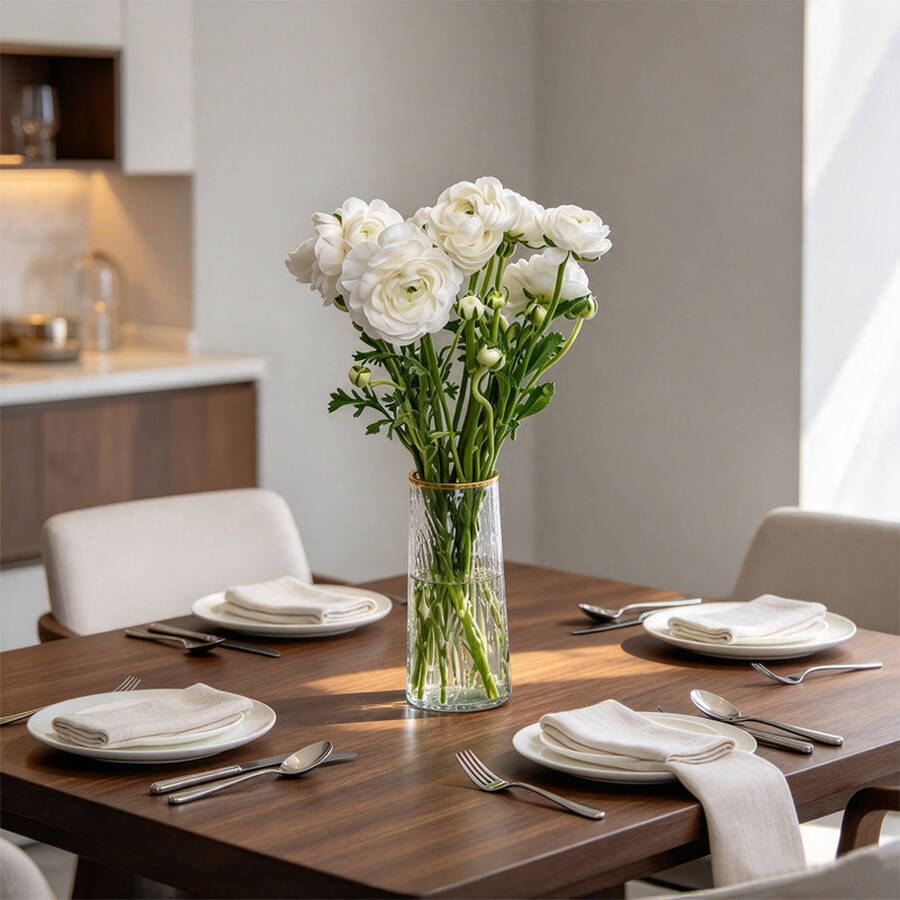
Display single colors or mixed hues in glass or ceramic vases. Place them on dining tables, desks, or entryways—they are gentle and instantly elevate the space. - Main or Accent Flower in Bouquets
As a main flower, it is gentle and plump; as an accent, it adds layers and color. Perfect for Korean-style bouquets and French natural-style designs. - Wedding Florals
Ideal for bridal bouquets, table centerpieces, and boutonnieres. Its low-saturation tones naturally complement the romantic atmosphere of weddings. - Holiday Gifting
Suitable for birthdays, Valentine's Day, Mother's Day, and Teacher's Day. With its beautiful floral language, it makes a tasteful and appropriate gift. - Commercial Interior Styling
For floral installations in cafés, homestays, and showrooms, it adds a gentle, soft texture to the space. - Affordable Peony Alternative
Love the elegance of peonies but have a limited budget? Ranunculus is the perfect choice that offers both stunning beauty and cost-effectiveness.
Care Guide for Fresh-Cut Flowers
Ranunculus stems are hollow and soft, making them the most challenging part of care. The key is to control the water level, keep the water clean, and prevent the stems from rotting.
- Deep Water Hydration: Upon receiving, keep the original packaging on and hydrate in deep water for 4–6 hours. Do not let the flower heads touch the water. This allows the stems to fully absorb water and stand upright again.
- Angled Stem Cutting: Use sharp scissors to cut 2–3 cm off the stem ends at a 45° angle to increase the water-absorbing area. If the stems are soft, leave them longer to avoid cutting them too short.
- Shallow Water Care: Keep the vase water level at about 1/3 full. A water level that is too high can easily cause the hollow stems to rot.
- Remove Submerged Leaves: Remove all leaves below the water line to prevent them from rotting and polluting the water.
- Frequent Water Changes and Trimming: Change the water every 1–2 days. When changing, clean the vase and stems, and re-trim 1 cm off the stem ends at an angle.
- Placement: Place in a ventilated spot with indirect light. Avoid direct sunlight, air-conditioning vents, and ripe fruits (ethylene sources).
- Drooping Rescue: If the flower heads droop, re-cut the stems and change to fresh water, or wrap the flower heads in newspaper and soak the stems in deep water for 1–2 hours to help them recover.
- Buds Not Opening: Gently peel off the dry outer sepals of the buds, or gently wipe the base of the buds with warm water to help them open.
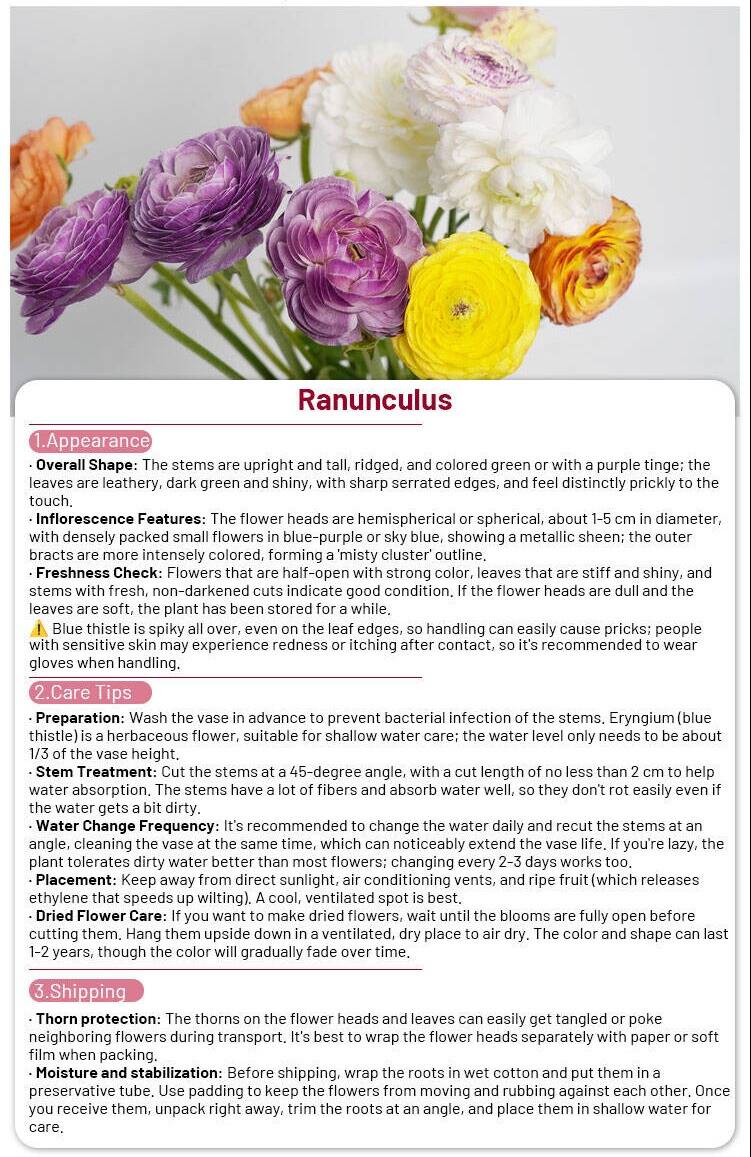
Details lmages
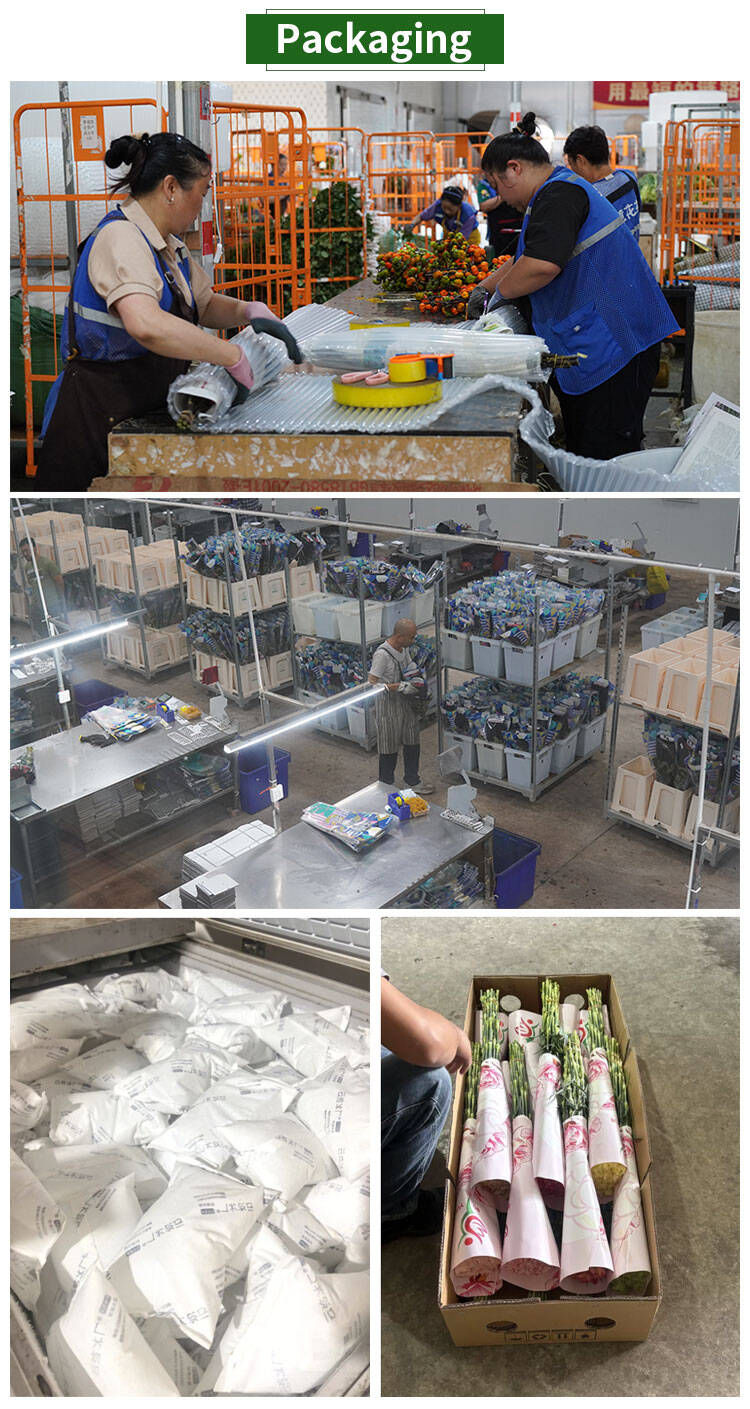


Company Profile
Based in Kunming, Yunnan – Asia's largest flower market. 100M+ stems sold yearly.
Products: Roses, Carnations, Lilies, Eustoma, Sunflowers, Baby's Breath, Hydrangeas, plus fillers, foliage & supplies.
Clients: Wholesalers, florists, event/wedding planners, e-commerce.
Why Us: *Direct farm sourcing – fresh & long vase life *Full variety, stable supply *Best prices, flexible orders *Professional QC & logistics support
Mission: To be your most trusted floral partner, delivering fresh blooms and reliable service every time.
FAQ
Q1: Are Ranunculus and Peony the same flower?
A1: No. Ranunculus belongs to the Ranunculaceae family, genus Ranunculus, while Peony belongs to the Paeoniaceae family, genus Paeonia. Ranunculus is named for its peony-like flower shape, but the plant and stems are much smaller and softer than those of a peony.
Q2: How long is the vase life of Ranunculus?
A2: Usually 7–10 days. With proper care (shallow water, frequent water changes, angled cutting), it can be extended to about two weeks. The buds will open gradually, offering pleasant surprises throughout the display period.
Q3: Why does Ranunculus easily rot at the stem or droop?
A3: Ranunculus stems are hollow. When the water level is too high or the water is unclean, the stems can easily rot from the inside, leading to poor water absorption and drooping flower heads. The solution is shallow water care (1/3 water level), frequent water changes, and re-trimming the stems at an angle every time you change the water.
Q4: What should I do if the Ranunculus buds are slow to open?
A4: You can gently peel off the dry outer sepals of the bud, or gently wipe the base of the bud with warm water. Meanwhile, ensure sufficient water and a warm, ventilated environment; the buds will gradually open.
Q5: What is the flower language of Ranunculus? Who is it suitable for as a gift?
A5: Its flower language includes popularity, wealth and good fortune, charming appeal, and perfection. It is suitable for gifting to friends, lovers, and elders to express praise and blessings; it is also commonly used in wedding florals.
Q6: Is Ranunculus safe for pets?
A6: Ranunculus belongs to the Ranunculaceae family and is toxic to cats and dogs. Ingestion may cause symptoms such as drooling, vomiting, and diarrhea. It is recommended to keep it out of reach of pets and young children.
Q7: What flowers pair well with Ranunculus?
A7: It pairs well with eucalyptus leaves, lisianthus, tulips, daisies, Frosted Explosion grass, etc. As a main flower, it is gentle and full; as a filler flower, it adds layers and color.
Q8: Can Ranunculus be made into dried flowers?
A8: Not very suitable. Ranunculus petals have a high moisture content and tend to shrink, fade, and lose shape after air-drying. They do not hold their form well; fresh display is recommended.
Q9: Why are the Ranunculus stems curved or soft upon arrival?
A9: Ranunculus stems are naturally soft, and slight bending during transport is normal. After deep water hydration, the stems will become upright again. If the stems are too soft, keep them longer and use the vase for support.
Feel free to inquire anytime and lock in your favorite style!