Waxflower
Waxy Star Blooms Waxflower Filler Modern Floral Design
Company Code: HTN041
Scientific name: Chamelaucium uncinatum Schauer (Geraldton Waxflower)
Common English names: Geraldton Waxflower / Waxflower
Vase life: Approx. 15–30 days, highly temperature-dependent: up to 30 days in cool winter conditions, about 15 days at 20°C; can extend to 1–2 months with proper care
Dried flower feature: Waxy petals retain their shape well after dehydration and do not shed easily; suitable for direct use as dried flowers
Stem length: 55-65cm
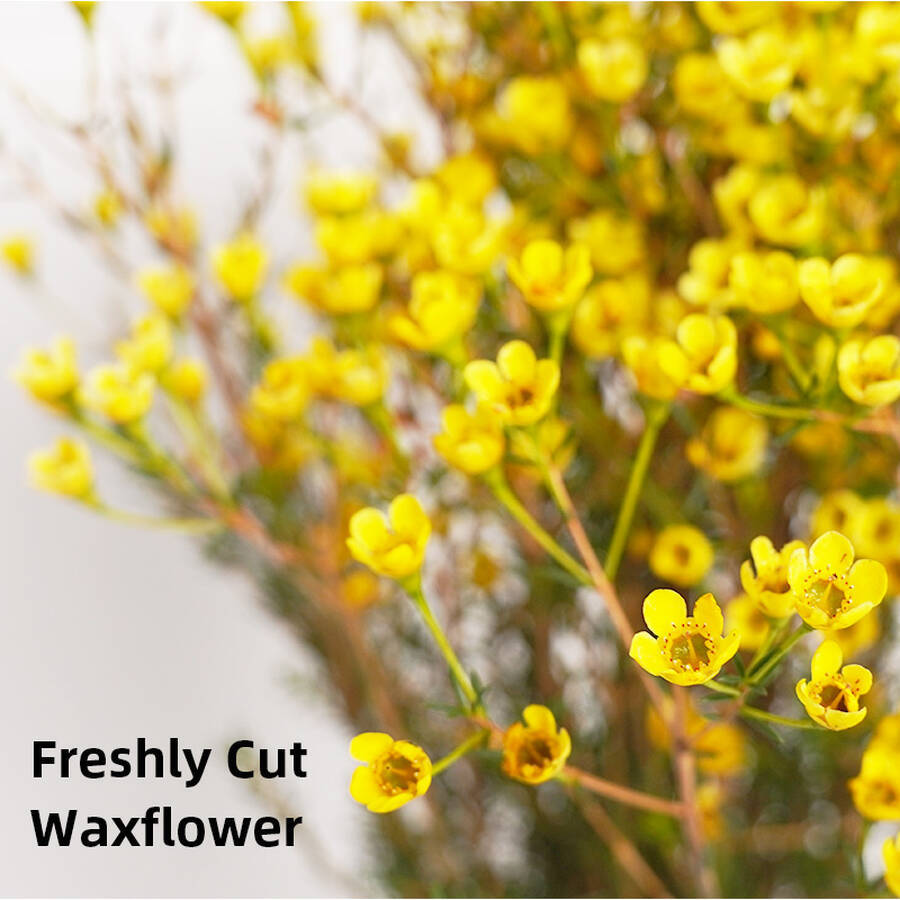
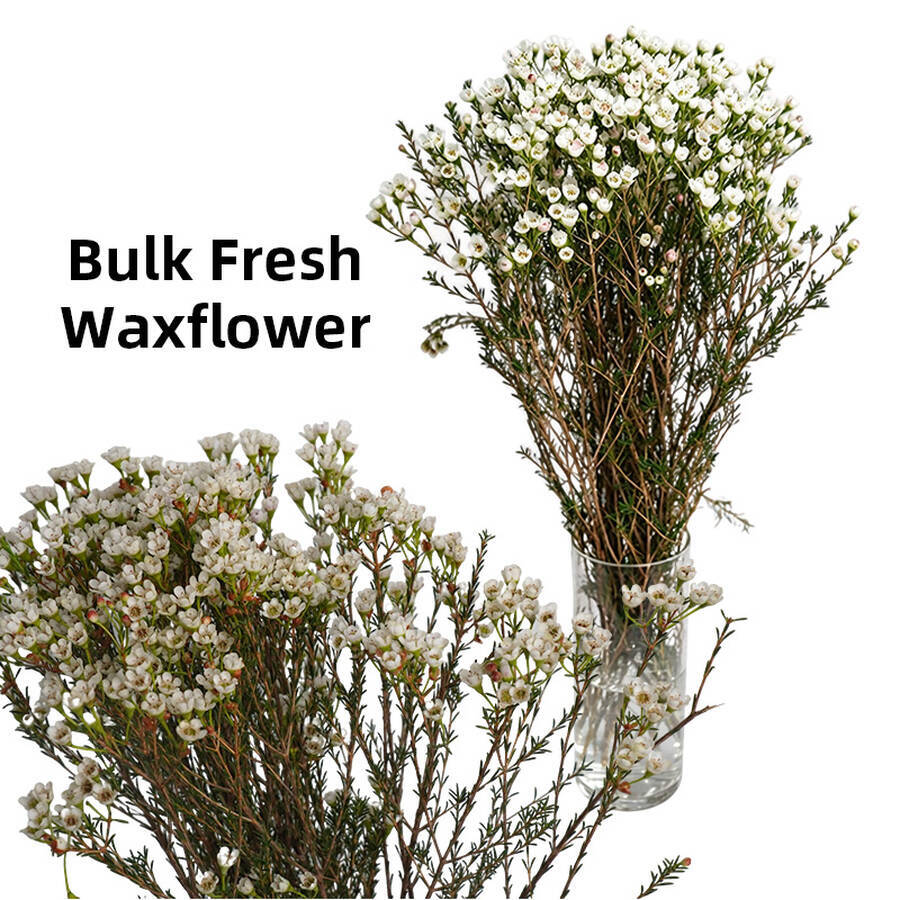
Texture: Waxy, firm, smooth, and glossy petals resembling small plum blossoms; needle-like leaves similar to pine needles; overall fresh, delicate, and premium texture
CERTIFICATES
Waxy Star Blooms Waxflower Filler Modern Floral Design
Fresh cut Waxflower (scientific name: Chamelaucium uncinatum) is an evergreen shrub belonging to the Myrtaceae family, which is entirely different from the traditional Chinese Wintersweet (Calycanthaceae family) except for their shared plum-like flower shape and waxy petal gloss. Featuring slender, pine-needle-like leaves that release a light pine aroma when rubbed, and small, five-petaled blooms with thick, waxy petals that feel almost like crafted art, its core advantage lies in its ultra-long vase life. Fresh cut stems can last 1 to 2 months in a vase during winter, and even in a warm environment around 20°C, it maintains an ornamental period of about 15 days. As a main variety in the Lunar New Year flower market, known for being long-lasting, easy to care for, and elegantly refined, it has become a highly cost-effective "endurance player" among winter cut flowers.
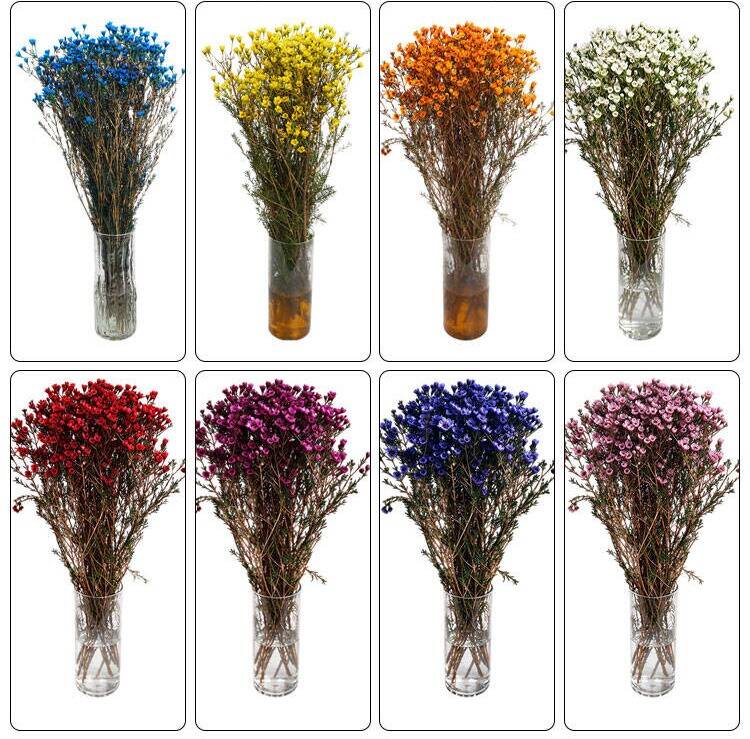
Style
Advantages
1. Exceptionally Long Vase Life—the "Endurance Champion" of Cut Flowers
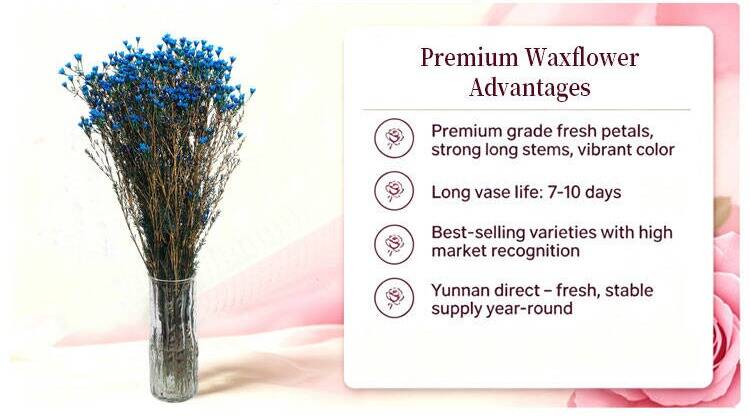
Waxflower boasts a remarkably long vase life among cut flower varieties. Fresh cut stems can last 1 to 2 months in a vase during winter. At around 20°C, the vase life is about 15 days, still outperforming most cut flowers. Individual blooms also last 7–10 days without shedding petals or attracting insects, and the water in the vase stays clear for a longer period.
2. Waxy Petals with an Artisanal Texture
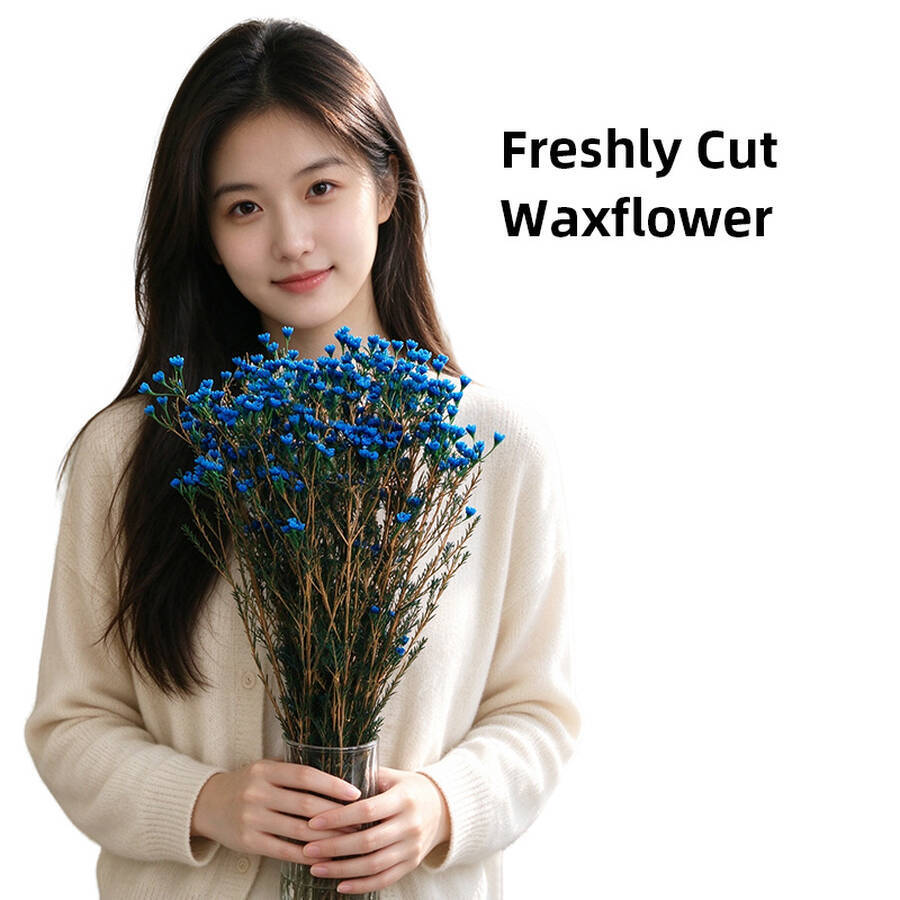
The petals have a distinct waxy or leathery gloss, appearing thick and durable, and are often mistaken for artificial flowers. Small five-petaled blooms cluster densely along the stems, with 50 to 300 flowers per stem. The stems spread gracefully, combining the delicate charm of Eastern plum blossoms with the unique, open posture of Australian flora.
3. Pine Needle Scent, Elegant and Unobtrusive
The leaves are slender and pointed like pine needles, carrying a light, cool pine or citrus aroma that can only be smelled up close—never overpowering or pungent. For those who dislike strong floral fragrances or are sensitive to scents, Waxflower is a gentler choice than traditional Wintersweet.
4. Natural Simple Tones vs. Artificially Dyed Colors (Important Note)
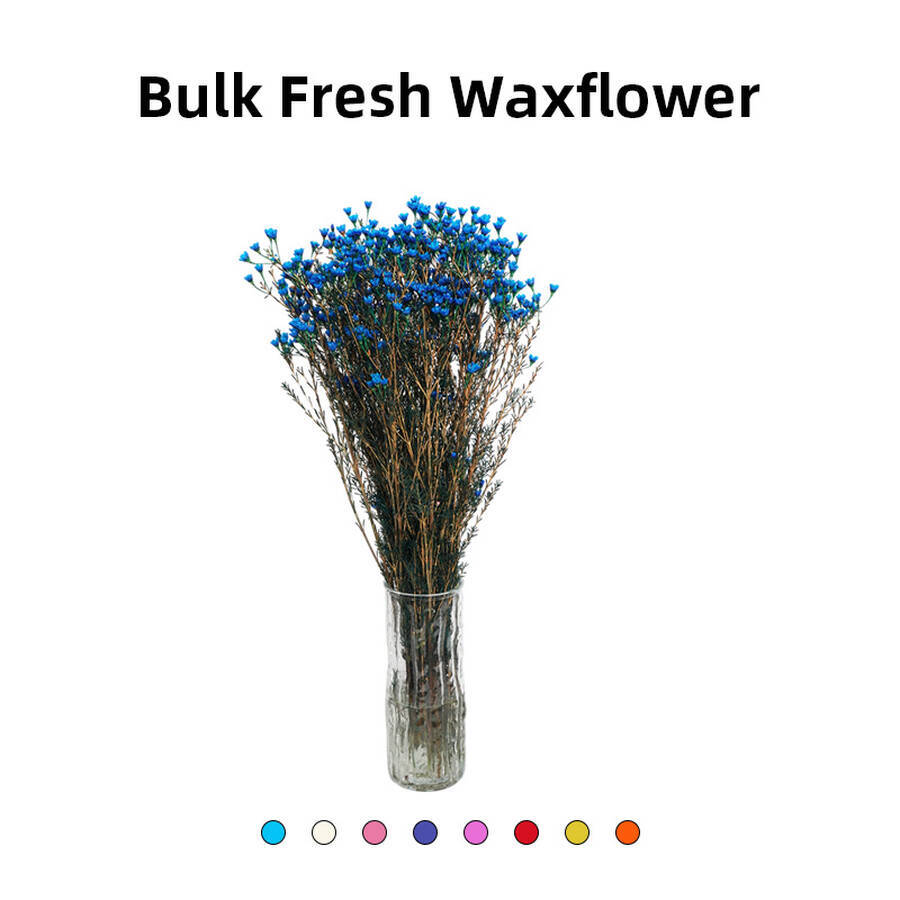
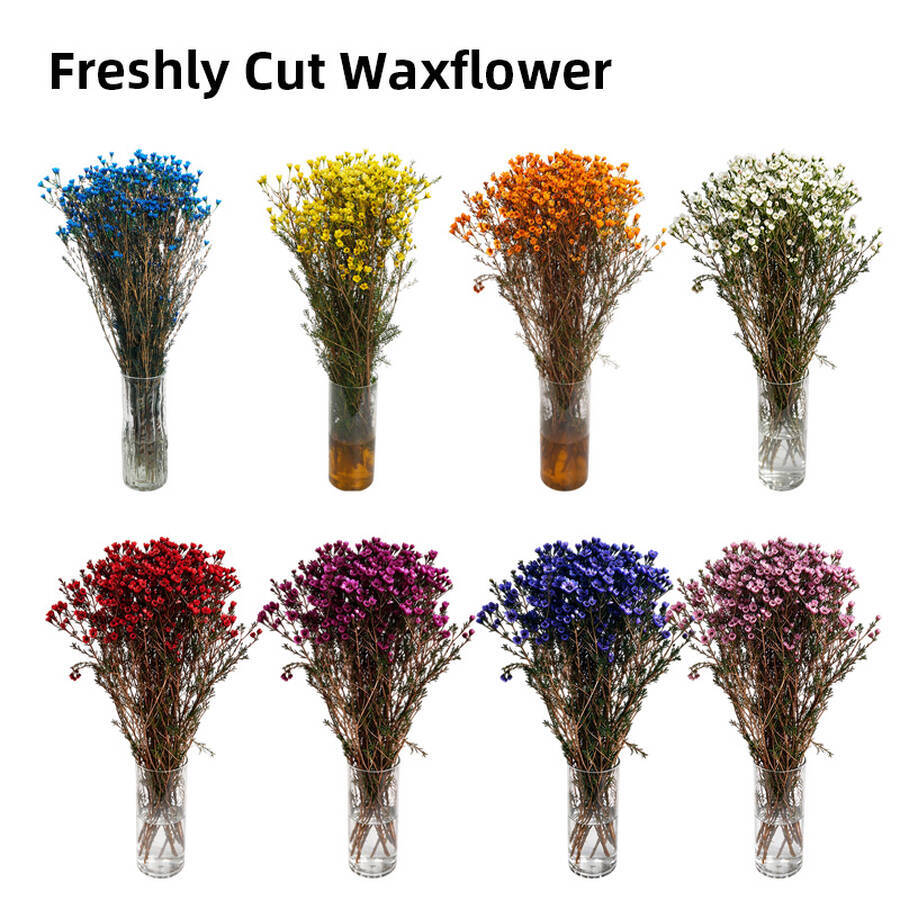
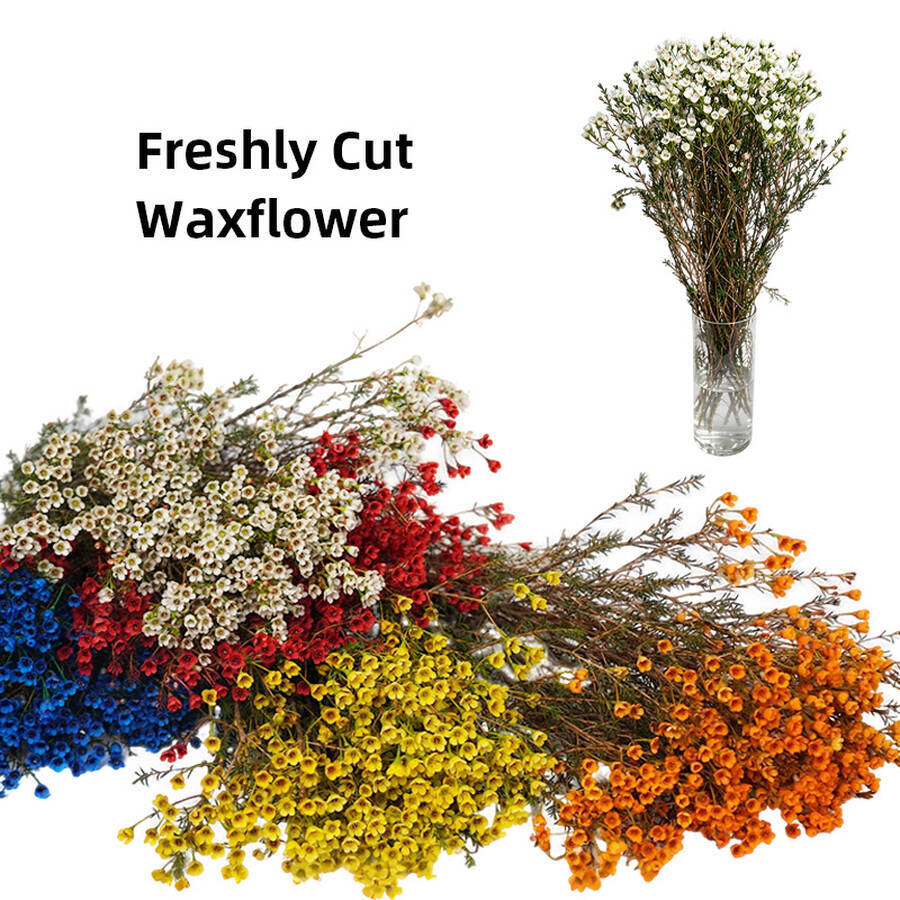
Natural Waxflower colors are only white and pink. Bright colors commonly found in the market, such as red, blue, yellow, and orange, are artificially dyed. Slight fading during vase life is normal for dyed varieties as the color gradually fades—this is a process characteristic, not a quality issue. Wearing gloves during hydration and trimming is recommended, as dyed stems may stain hands or clothing and are difficult to wash off. To maintain bright colors long-term, hang them upside down to air-dry or keep them in an empty vase later on; the color is often better preserved after drying.
5. Beautiful Floral Language: Purity and Fidelity
The flower language of Waxflower includes purity, fidelity, lasting friendship, loyal love, and precious evergreen beauty. It symbolizes enduring beauty and steadfast vitality. The five-petaled shape is also interpreted in some cultures as "five blessings arriving at your door, happiness, and longevity." It is perfect for gifting to friends to express lasting friendship, or to a loved one to convey unwavering affection.
Suitable scenarios
- Lunar New Year & Spring Festival Décor
Waxflower is a main variety in the winter Lunar New Year flower market. Pair red, pink, or white tones with New Year ornaments to bring a festive sense of breathability to entryways, dining tables, and living rooms. - Solo Vase Display
With gracefully spreading and flowing branches, it can directly act as the "leading lady" of the space, exuding full charm. - Main Flower or Filler in Bouquets
It can be used as a main flower in a standalone bouquet, or as a filler paired with light-colored floral materials (such as eucalyptus, lisianthus, or light-colored roses) to avoid color clashes and create a striking accent. - Everyday Home Vase Arrangement
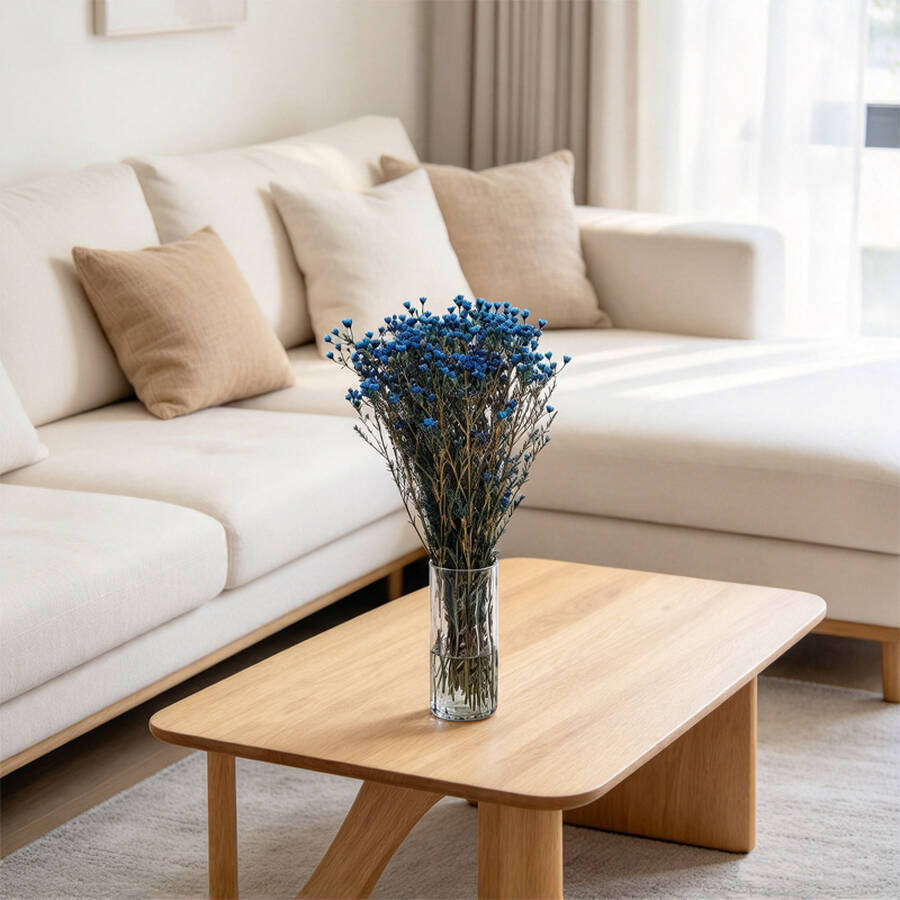
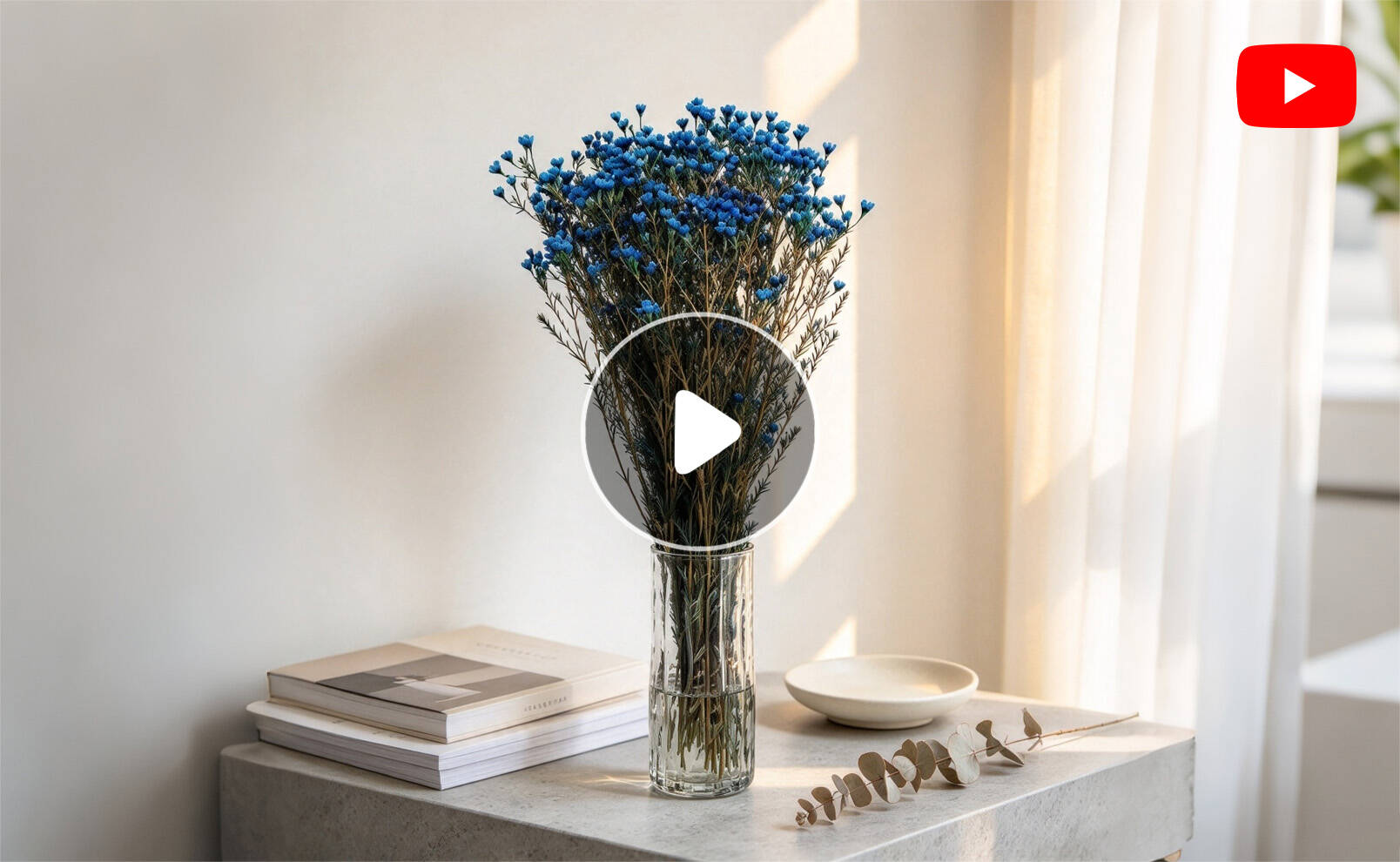
It blooms quietly in plain water, making it suitable for desks, windowsills, and coffee tables. It requires minimal care and offers long-lasting companionship. - Boutonnieres, Flower Crowns, and Other Off-Water Works
Thanks to its waxy petals and high dehydration resistance, it performs reliably in works with weak water retention, such as boutonnieres, wrist corsages, and flower crowns, without wilting quickly. - Dried Flower Crafting
Later in the vase life or after display, hang it upside down to air-dry or simply place it in an empty vase to create dried flowers for long-term display. Interestingly, dyed varieties often retain their colors even better after drying.

Care Guide for Fresh-Cut Flowers
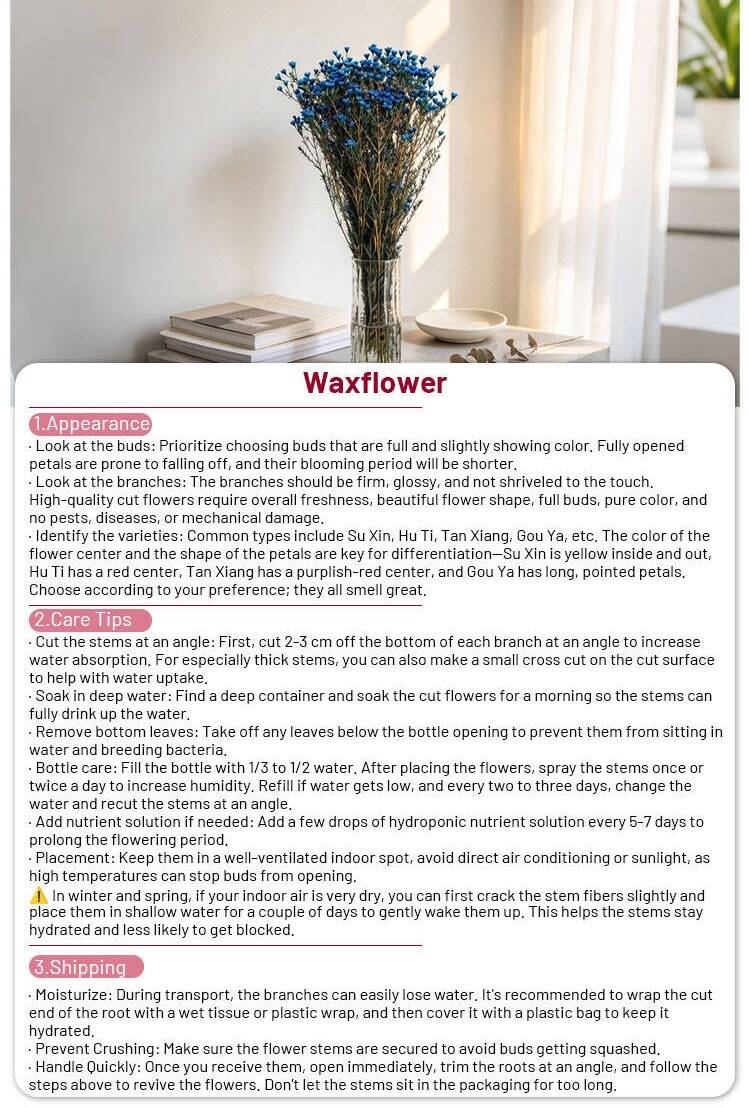
Waxflower is a woody floral material and dislikes deep water. The key to its care lies in controlling the water level, keeping the water clean, and preventing the stems from rotting due to submersion.
Deep Water Hydration: Upon receiving, hydrate in deep water for at least 4 hours to allow the stems to fully absorb water and revive. For dyed varieties, wearing gloves is recommended, as the stems and leaves may stain hands or clothing.
Trimming and Defoliation: Cut the stem ends at an angle or in a cross shape according to the vase height. Remove as many leaves as possible, especially all leaves below the water line. Submerged leaves rot and smell easily, polluting the water and shortening the vase life.
Shallow Water Care: Waxflower dislikes excessive water. Keep the water level at 10–15 cm or below 1/3 of the vase. Deep water will cause the stems to rot and turn black.
Water Changing Frequency: Keep the water clear. Change the water about once a week. Top up with water when the level drops; if the water becomes cloudy, change it and re-trim the stem ends. If floral preservative is used, the interval between water changes can be extended.
Placement: Place in an area with indirect light. Keep away from fruits and air-conditioning vents to prevent ethylene and dry air from accelerating flower aging.
Normal Phenomena: The shedding of leaves and bud casings during care is normal metabolism. When changing water, hold the whole bunch, turn the flower heads downward, and shake gently to clean them up—no need to worry. Slight fading of dyed varieties in the later stage is also normal.
Dried Flower Making: If you wish to keep them in the later display stage, simply hang them upside down to air-dry or place them in an empty vase without water to turn them into dried flowers for long-term enjoyment.
Details lmages


Company Profile
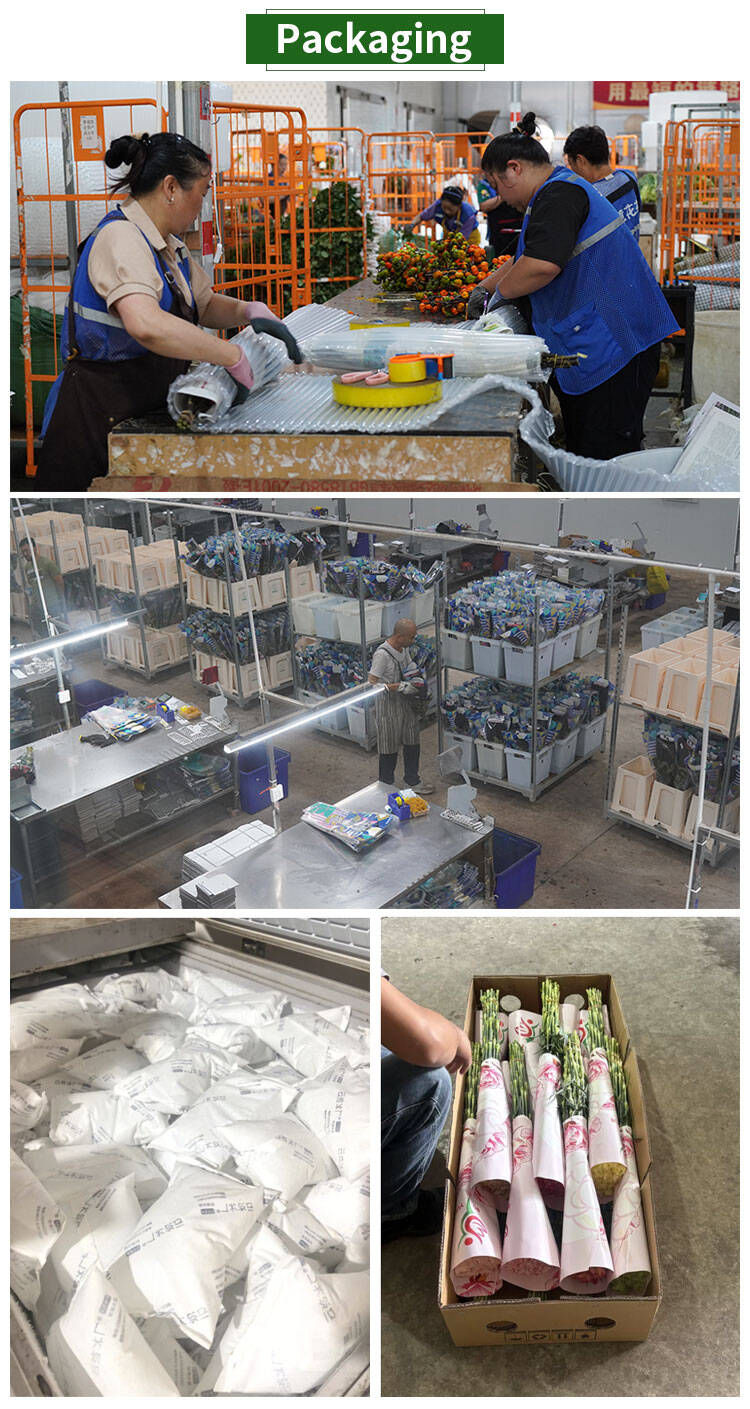
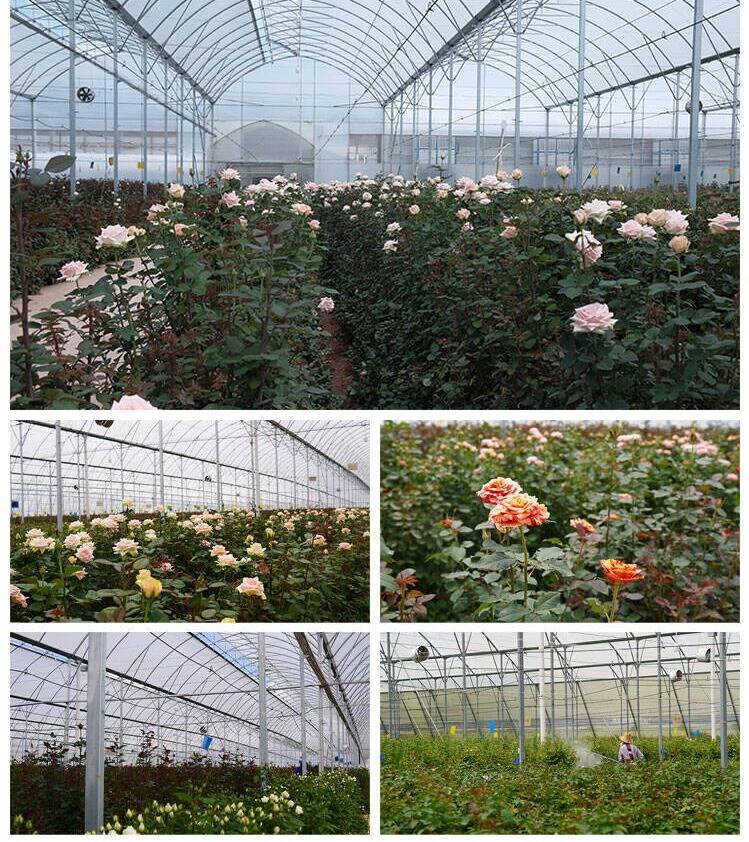
Based in Kunming, Yunnan – Asia's largest flower market. 100M+ stems sold yearly.
Products: Roses, Carnations, Lilies, Eustoma, Sunflowers, Baby's Breath, Hydrangeas, plus fillers, foliage & supplies.
Clients: Wholesalers, florists, event/wedding planners, e-commerce.
Why Us: *Direct farm sourcing – fresh & long vase life *Full variety, stable supply *Best prices, flexible orders *Professional QC & logistics support
Mission: To be your most trusted floral partner, delivering fresh blooms and reliable service every time.
FAQ
Q1: Is Waxflower the same as Chinese Wintersweet? What are the differences?
A1: No, they are different plants. Waxflower (Chamelaucium) belongs to the Myrtaceae family and is native to Australia; Chinese Wintersweet belongs to the Calycanthaceae family. The differences are obvious: Chinese Wintersweet blooms yellow flowers in winter, has a strong fragrance, and is deciduous; Waxflower has evergreen pine-needle-like leaves, five waxy petals, mainly in pink and white (bright colors are mostly artificially dyed), has a light fragrance, and its vase life far exceeds that of Chinese Wintersweet.
Q2: Exactly how long is the vase life of Waxflower?
A2: Fresh cut stems can last 1 to 2 months in a vase during winter; about 15 days at around 20°C. Individual blooms last about 7–10 days, and the overall ornamental period of the stems is top-tier among cut flowers.
Q3: Are the blue, yellow, and red Waxflowers on the market natural? Will they fade?
A3: They are not natural. The natural colors of Waxflower are only white and pink. Bright colors like red, blue, yellow, and orange are all artificially dyed. Fading during vase life is normal, and the color will gradually become lighter. This is a characteristic of the dyeing process, not an indication of poor freshness. To retain the color long-term, making dried flowers is recommended. Wear gloves during hydration and trimming to avoid staining your hands or clothes with dye.
Q4: Why do the stems rot or the water smell bad after a few days?
A4: The most common reasons are a water level that is too high or submerged leaves that have not been cleaned off. Waxflower does not like deep water; the water level should be kept at 10–15 cm or below 1/3 of the vase. Meanwhile, all leaves that will be submerged in water must be removed; otherwise, rotting leaves will quickly pollute the water, causing the stems to blacken and shortening the vase life.
Q5: Is the fragrance strong? Is it suitable for people sensitive to scents?
A5: The fragrance is light, not as strong as Chinese Wintersweet. Rubbing the leaves releases a cool pine or citrus scent, and the flowers need to be smelled up close. It is generally acceptable for people sensitive to scents.
Q6: Is Waxflower safe for pets?
A6: Normal display as a cut flower is generally fine, but it is best to prevent pets from chewing on it. Placing it out of reach of pets and children is a safer choice.
Q7: Can Waxflower be made into dried flowers?
A7: Yes, very suitable. Waxflower has waxy petals and high dehydration resistance. In the later display stage, simply hang them upside down to air-dry or place them in an empty vase without water to make dried flowers. The shape holds well, and dyed varieties often retain their colors even better after drying than in the later stage of water care.
Q8: What flowers pair well with Waxflower?
A8: It pairs well with light-colored floral materials, such as eucalyptus leaves, light-colored lisianthus, white or light pink roses, etc., avoiding clashes with overly vivid colors to maintain overall harmony. As a filler flower, it adds a sense of lightness to the arrangement with its tiny waxy blooms and pine-needle leaves.
Feel free to inquire anytime and lock in your favorite style!