Clematis
2027 New Arrival Fresh Cut White Purple Pink Clematis Plants for Sale
Company Code: HTN030
Scientific name: Clematis spp.
Family & genus: Ranunculaceae family, Clematis genus
Floral role : Line flower / Focal flower / Bridal bouquet flower
Stem length: 45-50cm
Vase life: Approx. 7–14 days; can last around 3 weeks in a cool, bright environment
Availability: Available year-round; peak season from September to January of the following year
CERTIFICATES
2027 New Arrival Fresh Cut White Purple Pink Clematis Plants for Sale
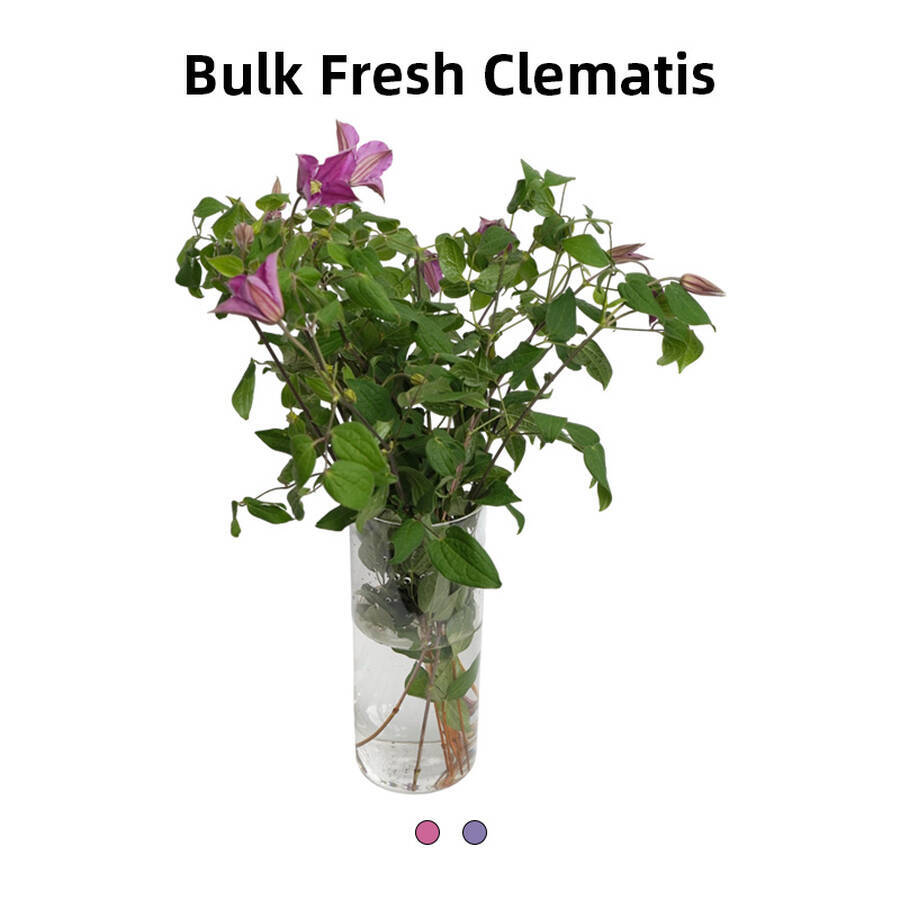
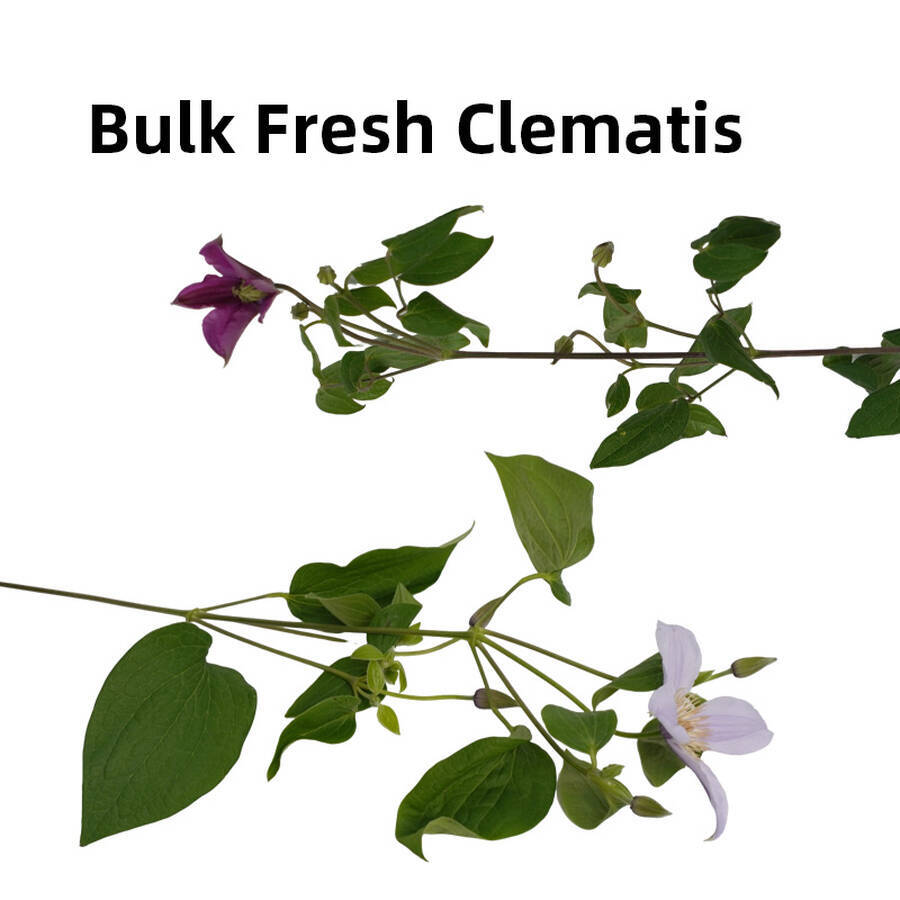
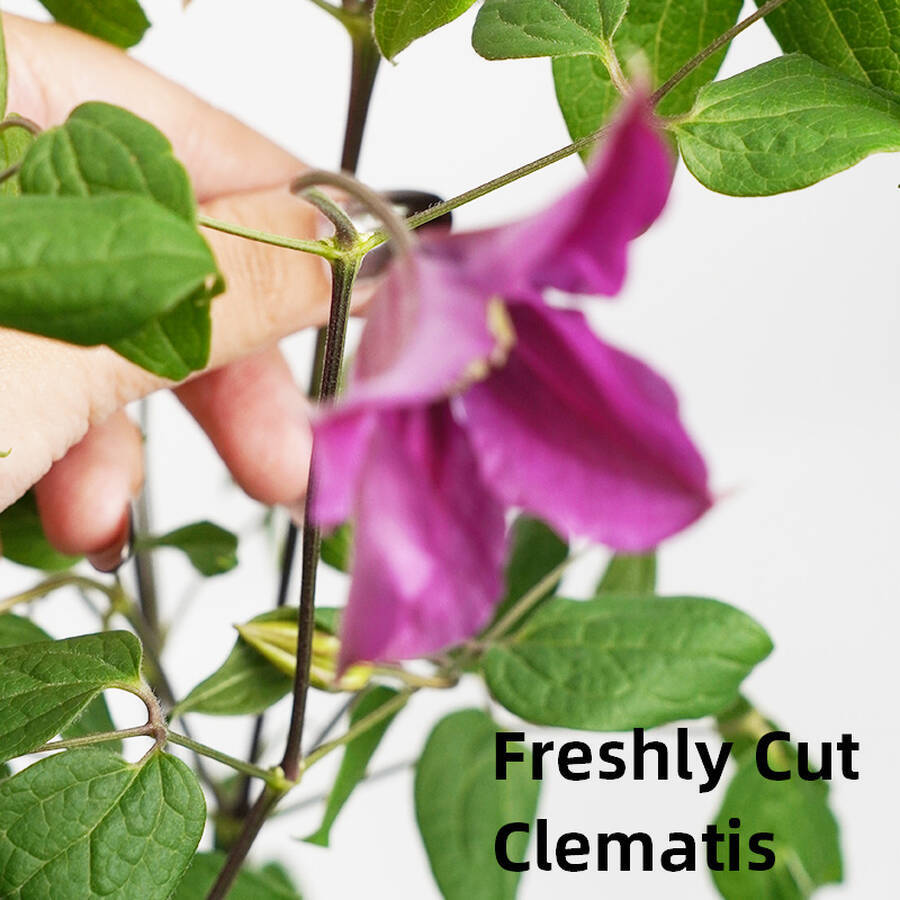
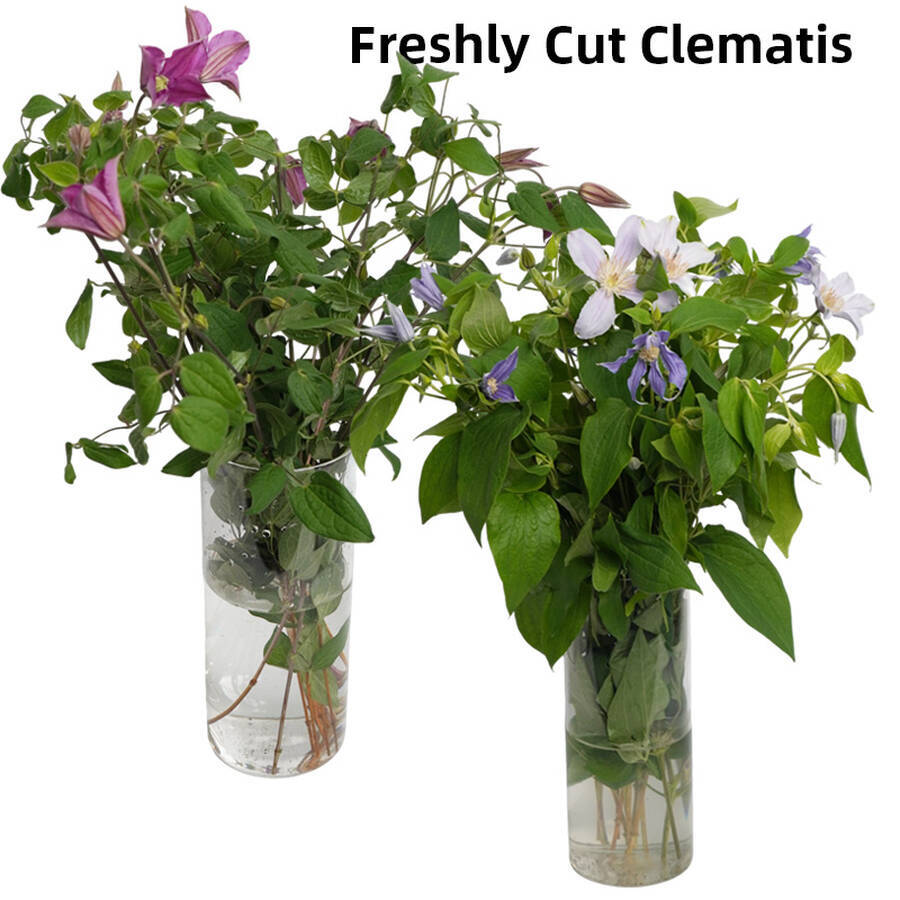
Fresh cut clematis—scientific name Clematis—is a perennial climbing vine in the buttercup family (Ranunculaceae), genus Clematis. It enjoys the reputation of “Queen of Flowering Vines.” Although it is not a member of the Rosaceae family, its climbing habit and intricate flower forms often lead people to mistake it for a “sister of climbing roses.” The “iron wire” in its name does not refer to color; rather, it describes its stems, which are as slender as iron wire and embody a life force that is soft yet resilient, with a quadrangular cross-section. Most varieties have no true petals. What we see as “petals” are 4–8 highly specialized sepals, velvety in texture and intense in color.
As a cut flower, clematis has a very distinctive habit: when the stems are used horizontally, the flowers and buds naturally turn upward—a capability most cut flowers lack. Its vase life is generally 7–12 days, and can reach up to 3 weeks in a cool, bright environment.
Style
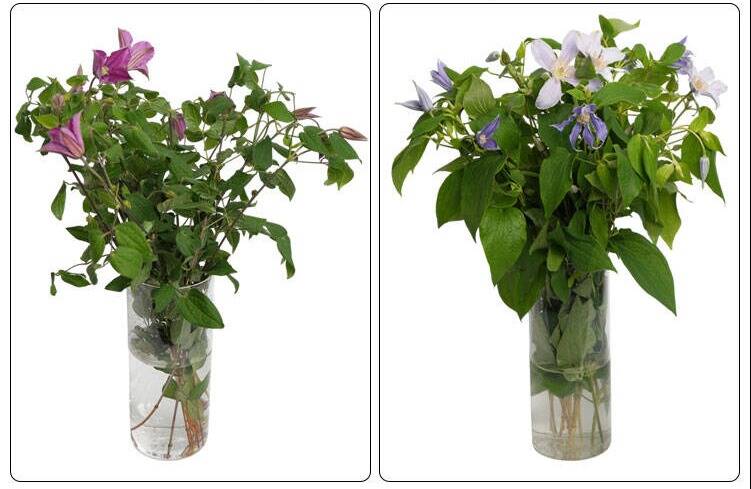
Advantages
1. Elegant, Butterfly-Like Blooms with an Inherent Premium Feel
Clematis petals are as thin as silk and velvety in texture, their gradient colors blending like the edges of clouds in morning light. Floral designers describe it this way: “This flower floats lightly above the bouquet, like a butterfly flying over a sea of flowers.” It does not rely on complexity to impress—with just its minimalist form and low-saturation, elegant tones, it can elevate the premium feel of any space.
2. Stems Soft Yet Strong, with Exceptional Shaping Power
The stems are slender yet highly resilient, with a quadrangular cross-section—hence the name “iron wire.” The stems are especially obedient: once bent into an arc and secured, they do not spring back; they wrap neatly around wire wreaths and can be shaped into a bridal bouquet in under ten minutes. As a cut flower, clematis bends and holds, making it a highly malleable line material in florists’ hands.
3. Lay It Horizontally, and the Blooms Turn Upward
This is the most distinctive trait of cut clematis: when the stems are used horizontally, the flowers and buds turn upward toward the light source. This means that in horizontal designs or hanging floral installations, clematis “adjusts its own posture” to present itself at the best angle, saving the trouble of manual adjustment.
4. Long Vase Life, Even Better in Cool Conditions
Average vase life is about 10–14 days. In warm or dim environments, it shortens; but in a bright, cool environment, the stems open beautifully and last at least 3 weeks. As a “heavy drinker,” clematis prefers fresh, clean water and looks its best when well hydrated.
5. Noble Flower Language, Symbolizing a “Beautiful Heart”
Its flower language is noble purity and a beautiful heart, symbolizing a longing for a beautiful life and praise of pure love. It also carries meanings of resilience and perseverance, elegance and wisdom, symbolizing the ability to stay calm in any circumstance and reveal inner charm. Suitable for gifting to friends, lovers, and elders, it conveys a quiet yet resilient emotion.
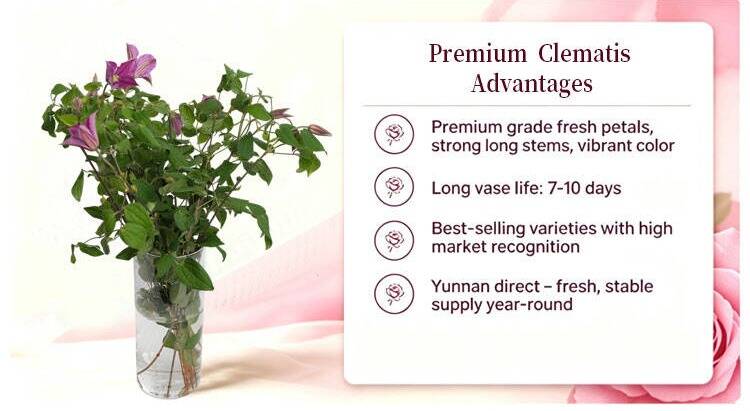
Suitable scenarios
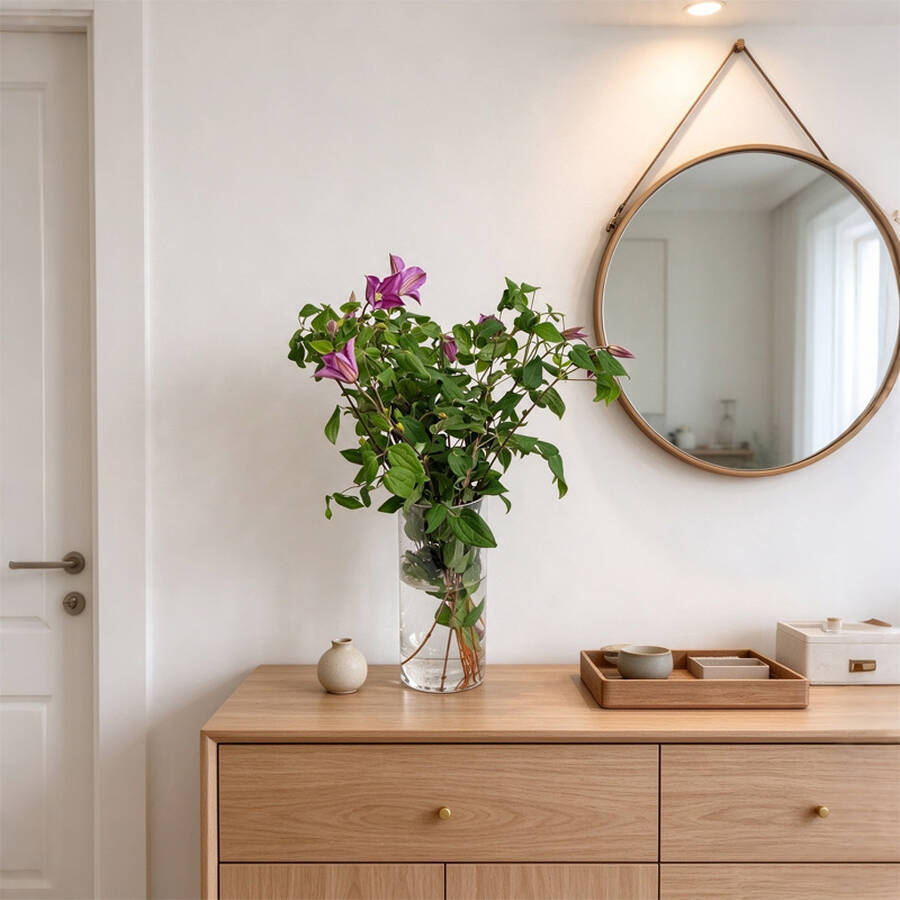
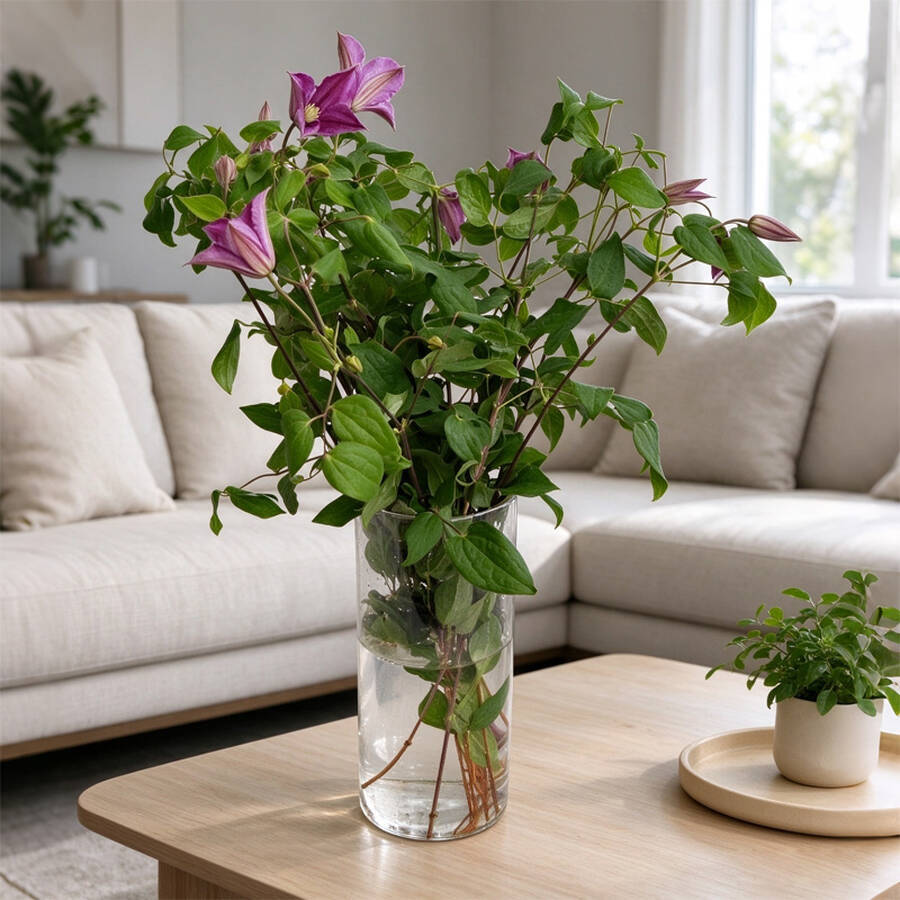
Home Vase Arrangement: With low-saturation, elegant tones and trailing, vine-like stems, they become a gentle corner of scenery when casually placed in a glass vase.
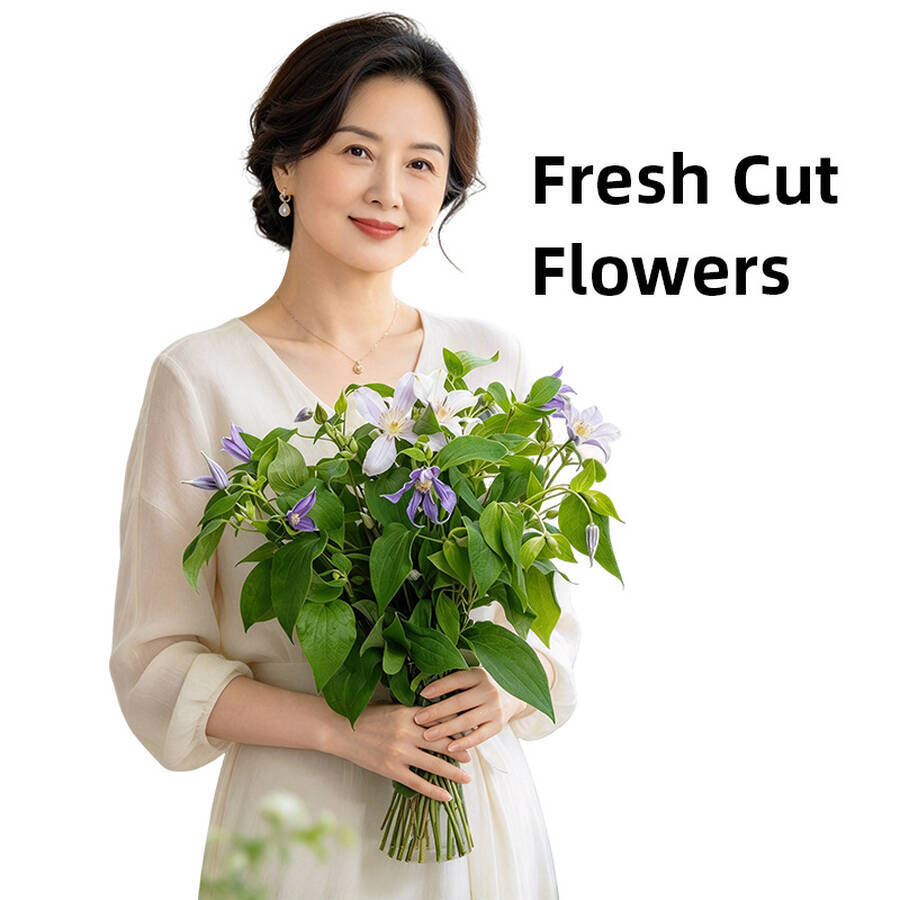
Wedding Florals: Bridal bouquets, table arrangements, and boutonnieres. Their light, flowing posture brings a natural romantic atmosphere—designers call them the “Dancing Queen.”
Floral Design: The stems can be bent into arcs and secured without springing back, and they wrap neatly around wire wreaths—a well-behaved material for line design.
Corporate Floral Gifts: Their flower language speaks of noble purity and a beautiful heart, making them suitable for client appreciation and corporate décor, conveying elegance and taste.
Holiday Gifting: Symbolizing resilience and elegance, they are suitable for gifting to friends, lovers, and elders.
Premium Retail: Cut-flower-grade clematis varieties that have undergone professional Dutch post-harvest treatment, with firm, upright stems and buds that open slowly, layer by layer—a mid-to-high-end floral material.
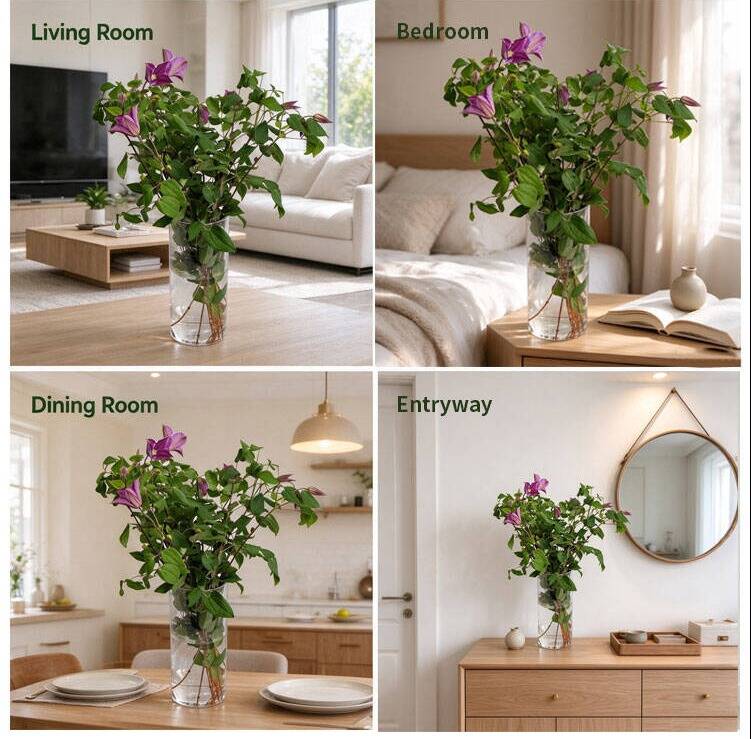
Care Guide for Fresh-Cut Flowers
Fresh cut clematis stems are hollow and have weak water-conducting ability. The cut ends can easily become blocked by air, leading to poor water uptake and rapid petal wilting. This is not because the flowers are not fresh—it is simply naturally slow to drink and requires special handling.
Cut at a 45° Angle: Use clean, sharp scissors to cut the stem base at 45° to increase the water-absorbing area.
Cut the Stems Underwater: Cutting the stems underwater prevents air from entering the vessels and can extend vase life by 3–5 days.
Provide Plenty of Water: Clematis is a “heavy drinker” and prefers fresh, clean, cold, and ample water.
Not Suitable for Floral Foam: Do not use floral foam. Water tubes or similar containers are recommended for support and water supply.
Remove Lower Leaves: Remove some leaves to ensure none are submerged in water. The flowers will stay fresh longer.
Change Water and Re-trim Regularly: When changing the water, re-cut the stem ends at an angle, and clean the vase and stems.
Bright and Cool: Place in as bright a spot as possible, but out of direct sunlight. A cool environment can keep them fresh for up to 3 weeks.
Keep Away from Fruit: Do not place near a fruit bowl. Ethylene released by fruit accelerates flower aging.
Use Floral Preservative: A general-purpose cut flower preservative is recommended.
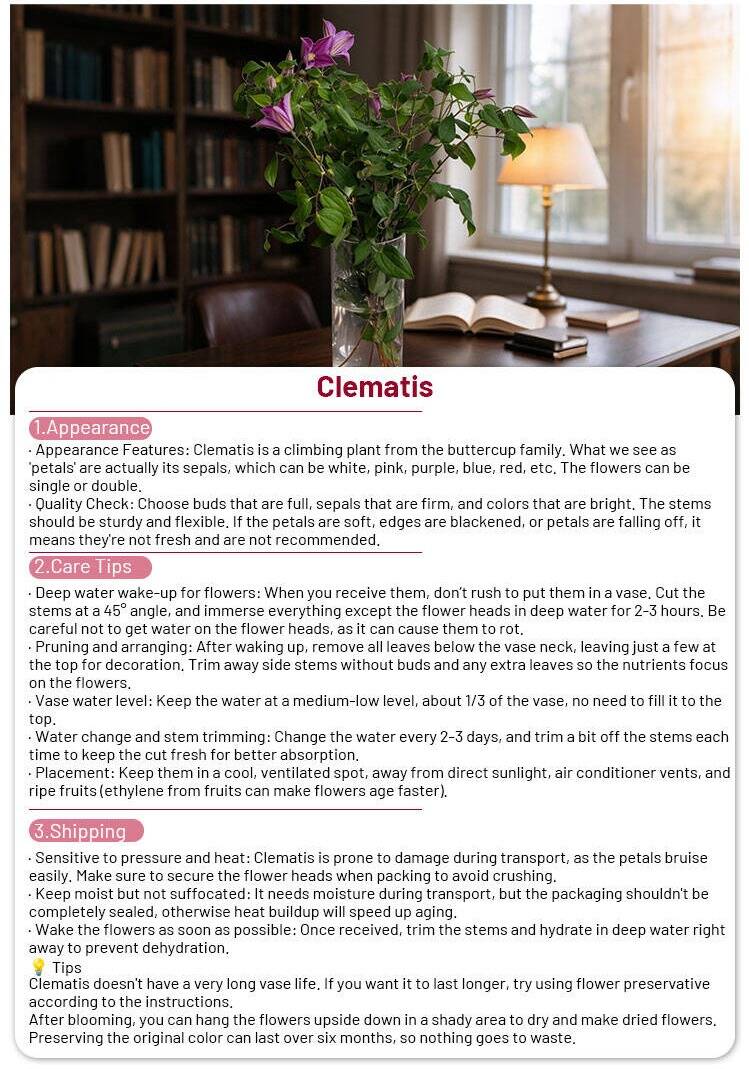
Details lmages
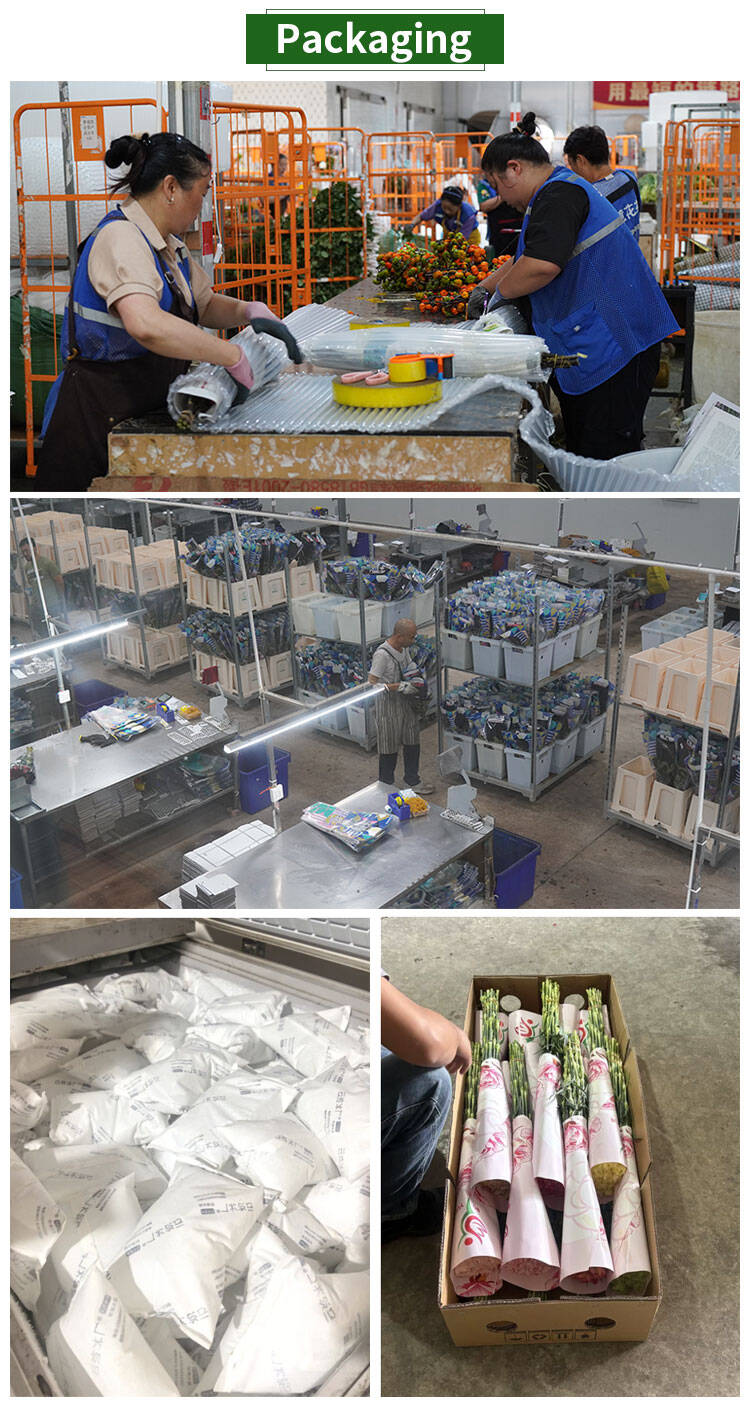
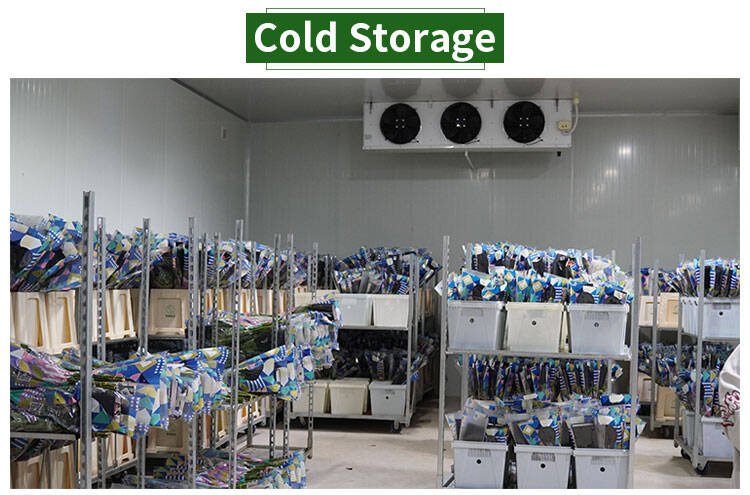

Company Profile
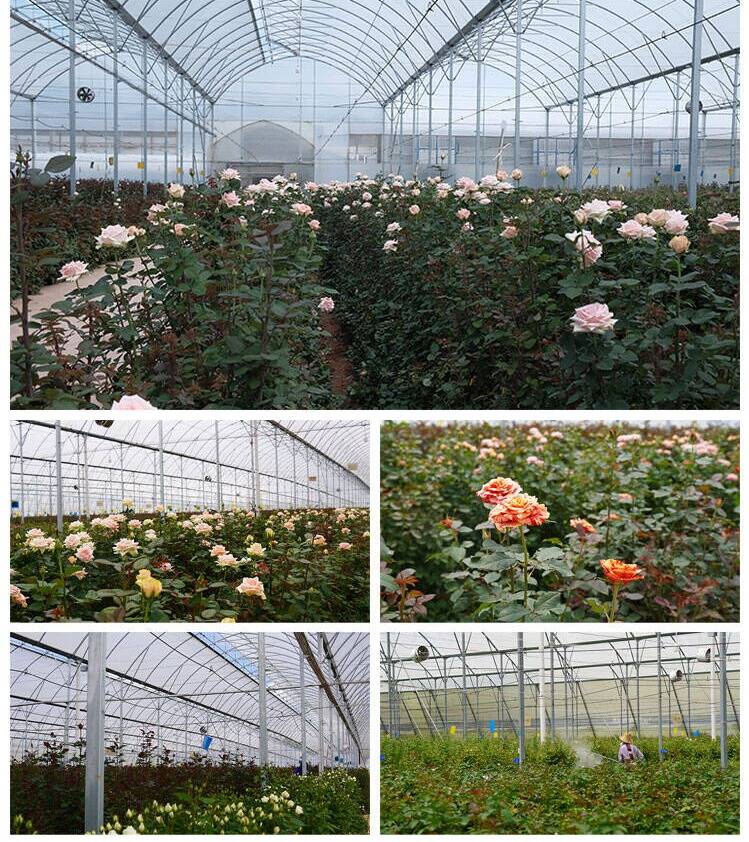
Based in Kunming, Yunnan – Asia's largest flower market. 100M+ stems sold yearly.
Products: Roses, Carnations, Lilies, Eustoma, Sunflowers, Baby's Breath, Hydrangeas, plus fillers, foliage & supplies.
Clients: Wholesalers, florists, event/wedding planners, e-commerce.
Why Us: *Direct farm sourcing – fresh & long vase life *Full variety, stable supply *Best prices, flexible orders *Professional QC & logistics support
Mission: To be your most trusted floral partner, delivering fresh blooms and reliable service every time.
FAQ
Q1: How long is the vase life of fresh cut clematis?
A1: Average vase life is about 10–14 days, and it can last up to 3 weeks in a cool, bright environment. Warm or dim conditions will shorten its life.
Q2: Why does clematis droop easily or wilt so quickly?
A2: Clematis stems are hollow and have weak water conduction. The cut ends can easily become blocked by air, preventing proper water uptake. Cut the stems at a 45° angle, preferably underwater, and remove the lower leaves. This can extend vase life by 3–5 days.
Q3: Can clematis be arranged in floral foam?
A3: Not really. Clematis does not like narrow water channels and performs poorly in floral foam. It is better to use water tubes or similar containers to hold and supply water.
Q4: Why does clematis have the trait of turning its flowers upward when placed horizontally?
A4: This is a special characteristic of cut clematis—when the stems are used horizontally, the flowers and buds turn upward toward the light source. Most cut flowers do not have this ability, which makes clematis especially useful in horizontal or hanging designs.
Q5: What is the flower language of clematis?
A5: Its flower language is noble purity and a beautiful heart, symbolizing a longing for a beautiful life and praise of pure love. It also carries meanings of resilience and perseverance, elegance and wisdom.
Q6: Is clematis safe for pets?
A6: Clematis is toxic to cats and dogs. Ingestion may cause drooling, vomiting, diarrhea, and other symptoms. It is best to keep it out of pets’ reach.
Q7: What flowers pair well with clematis?
A7: It pairs well with eucalyptus foliage, roses, lisianthus, and more. As a line flower, it adds a sense of flow and lightness to bouquets.
Q8: Can clematis be made into dried flowers?
A8: Not very suitable. Clematis petals are as thin as silk and have a high moisture content. After air-drying, they tend to fade, shrink, and lose their shape. It is best enjoyed as a fresh cut flower.
Q9: Why do the clematis buds I received take so long to open?
A9: One characteristic of cut clematis is that the buds open slowly, layer by layer. This is also one reason for its long vase life. With sufficient water and a bright, cool environment, the buds will gradually open.
Feel free to inquire anytime and lock in your favorite style!