PLA Bags
Laminated Kraft Paper Fully Biodegradable Pla Pouches Plastic Bags
Company Code: OGF012
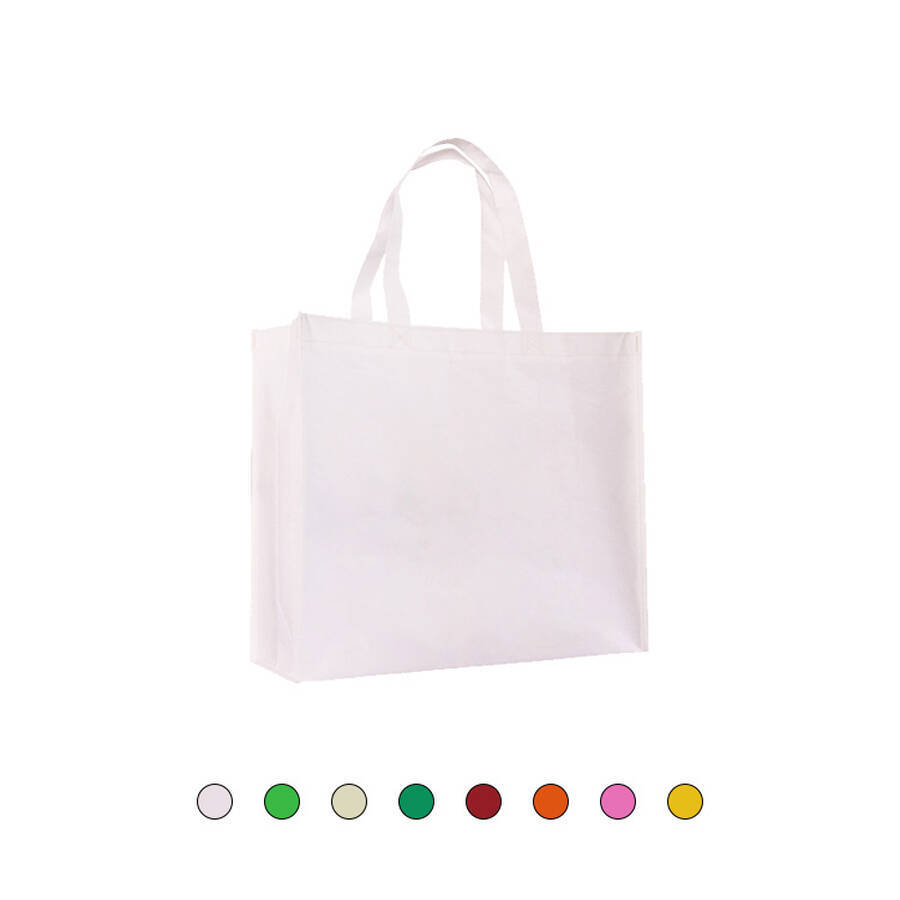
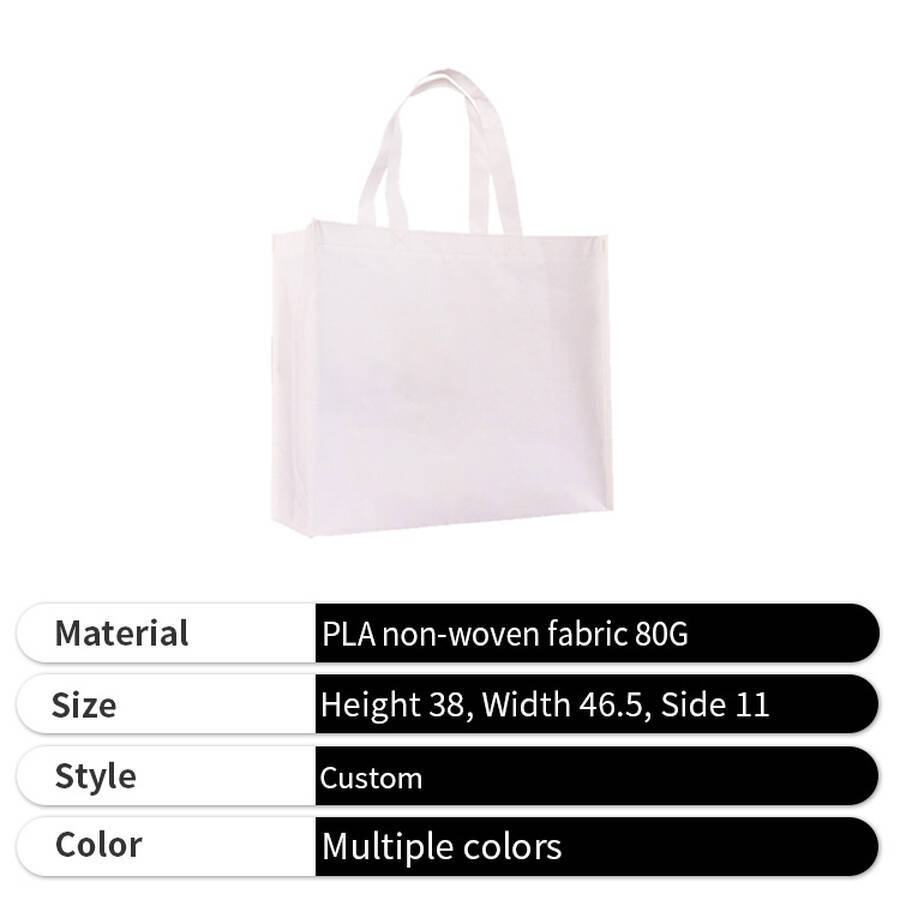
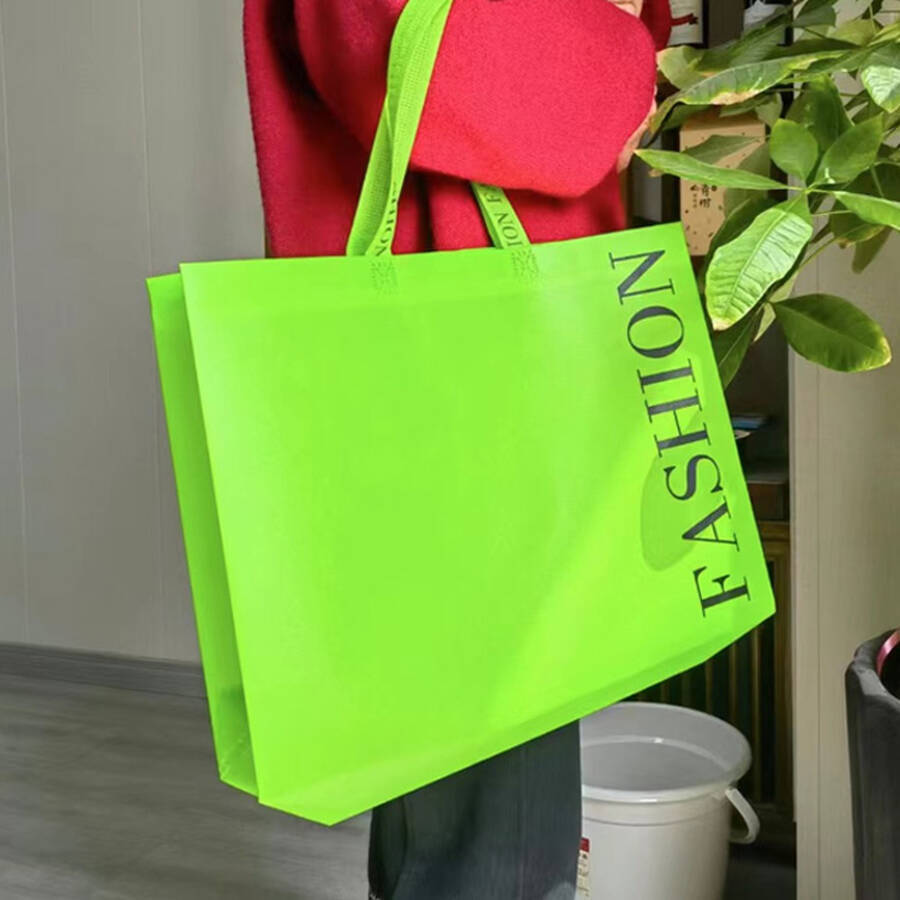
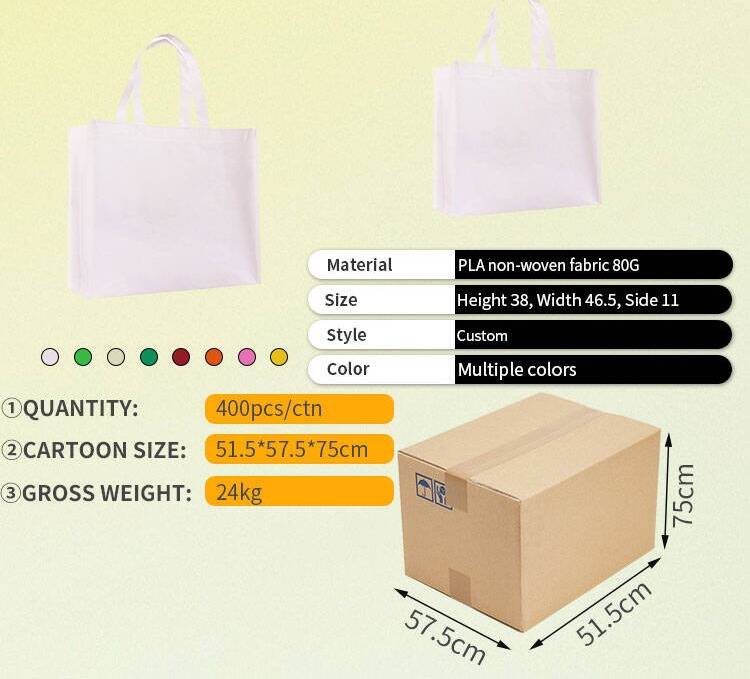
Material: PLA non-woven fabric 80G
Net weight : 140g
Tolerance : 5 mm
Style : Tote bag
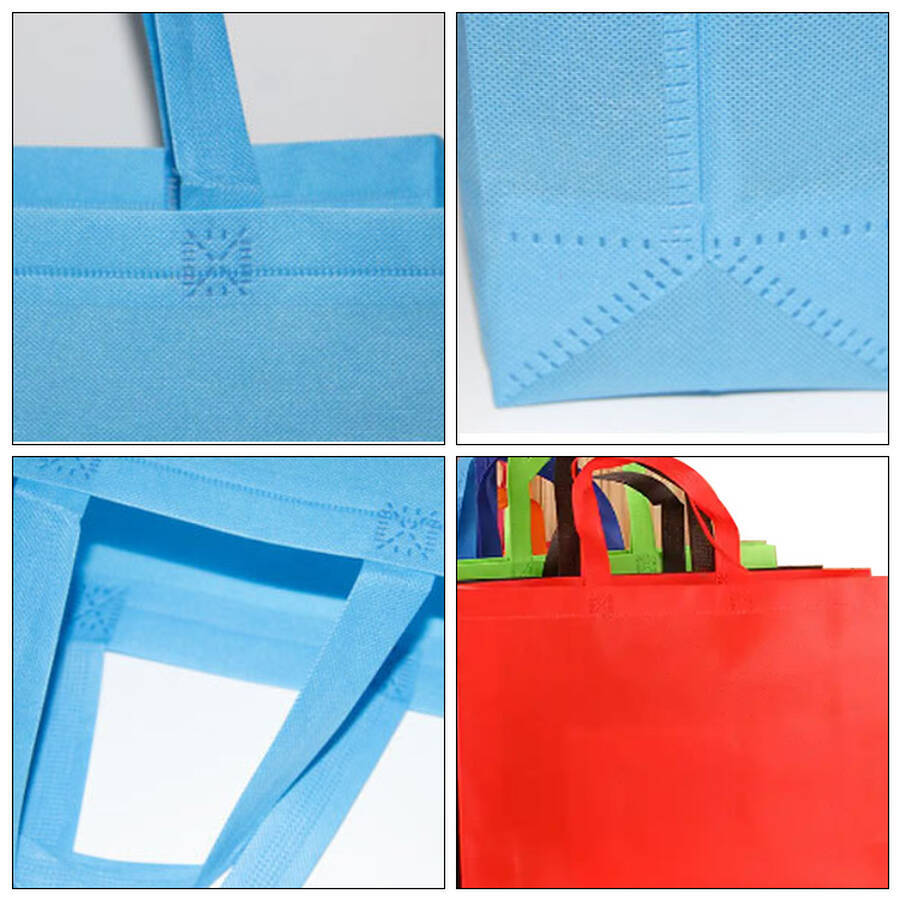
Base and sides : With base and sides
CERTIFICATES
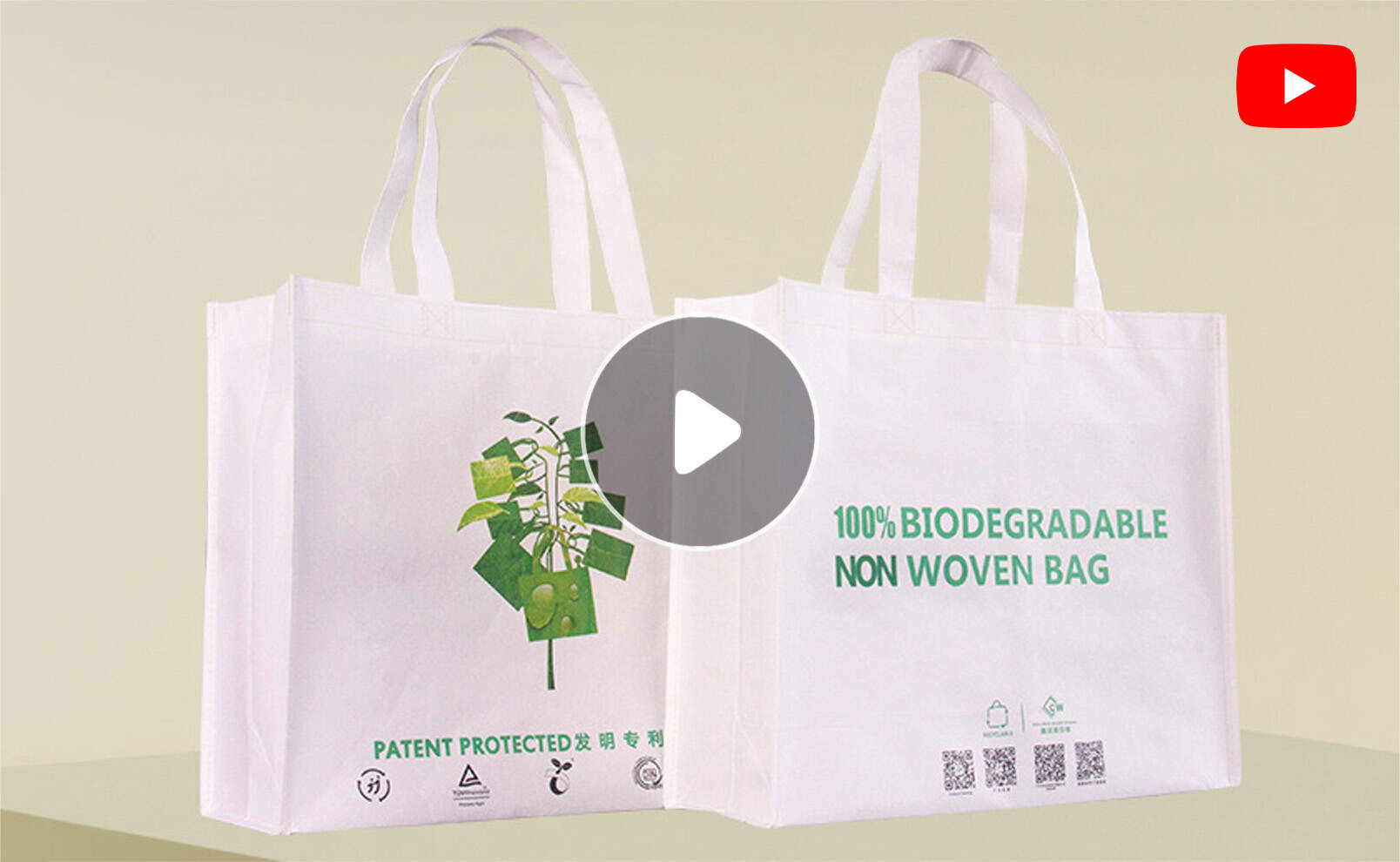
Laminated Kraft Paper Fully Biodegradable Pla Pouches Plastic Bags
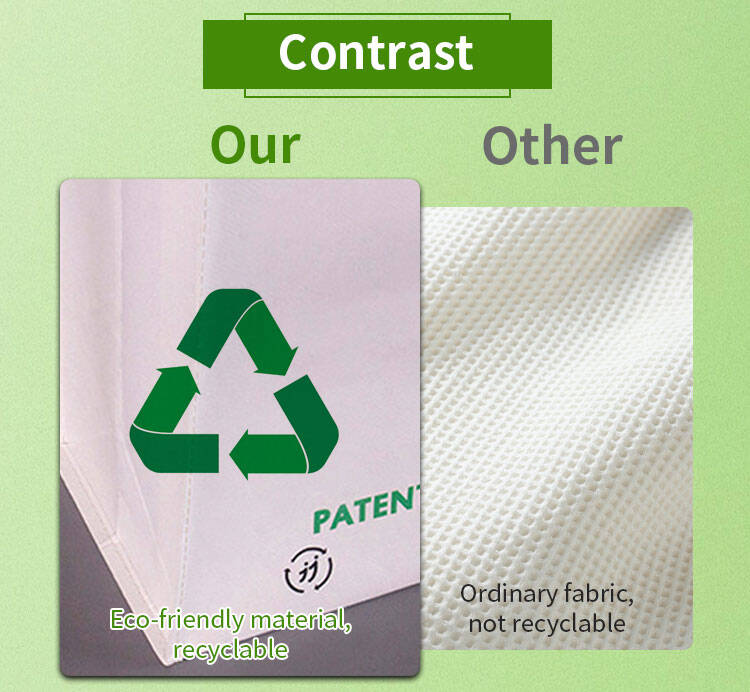
This PLA bag is made from polylactic acid (PLA), a bio-based material derived from renewable plants such as maize and cassava. Under industrial composting conditions, it fully degrades into water and carbon dioxide. Soft and supple to the touch, and odourless, it serves as an alternative to traditional plastic bags for shopping, packaging and storage. Every bag represents a step away from petroleum-based plastics.
Advantages
1. Bio-based: Made from PLA (polylactic acid), derived from renewable plants such as maize, cassava and sugarcane
2. Compostable: Fully degrades into water and carbon dioxide within 3–6 months under industrial composting conditions
3. Low-carbon and eco-friendly: Carbon emissions during production are significantly lower than those of traditional petroleum-based plastics, contributing to carbon neutrality
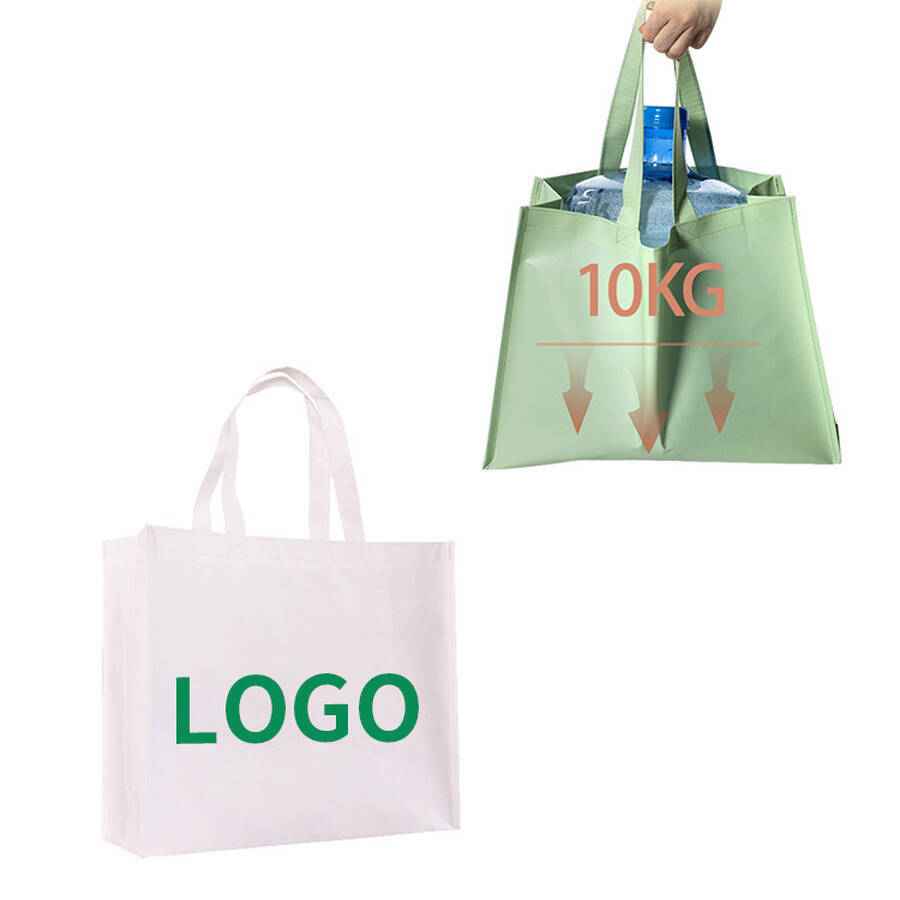
4. Flexible and durable: Flexible texture with good tear resistance; can bear weights of 3–8 kg (depending on thickness)
5. Food-grade safety: Non-toxic and odourless; suitable for direct food contact, ideal for takeaway packaging and supermarket fresh produce
6. Odourless: Unlike traditional PE/PP plastic bags, it has no petrochemical odour; ready to use straight out of the pack
7. Heat-sealable: Suitable for sealed packaging, replacing traditional plastic bags for product outer packaging
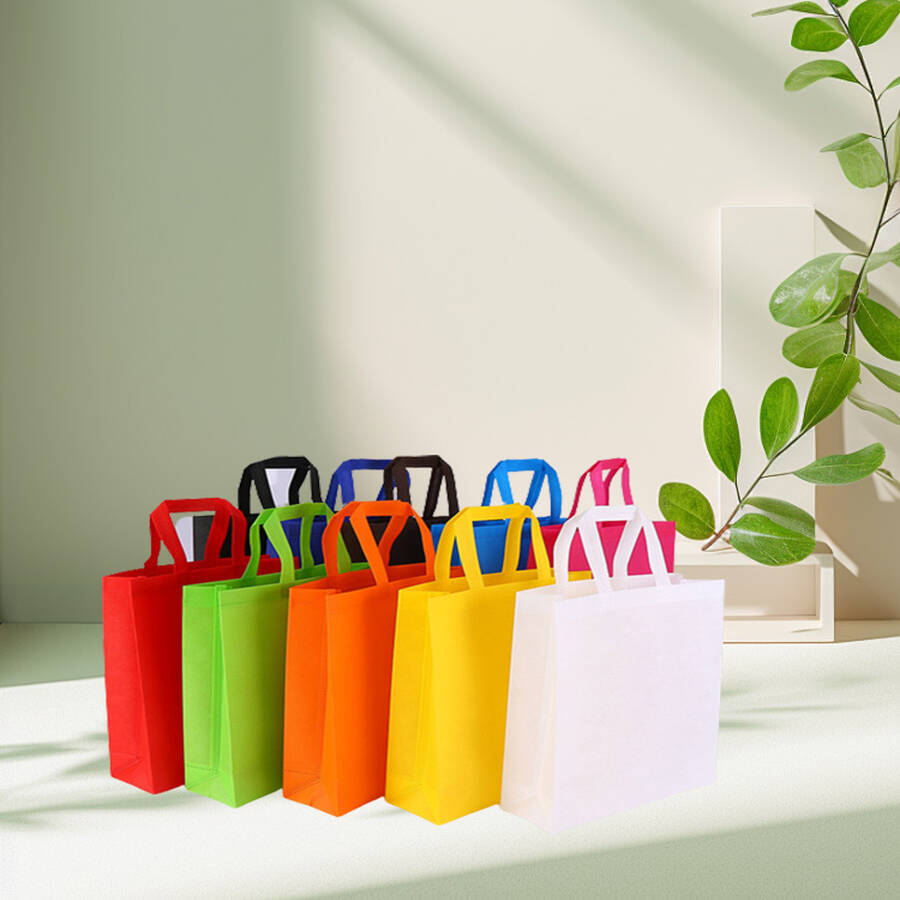
8. Wide range of styles available: Gusseted bags, flat-bottomed bags, drawstring bags, carrier bags and more
Suitable scenarios
1. Supermarket shopping: Replaces standard plastic bags in fresh produce and bulk sections, promoting environmental protection and reducing plastic use
2. Takeaway packaging: Takeaway bags for restaurants and cafés, enhancing the brand’s eco-friendly image
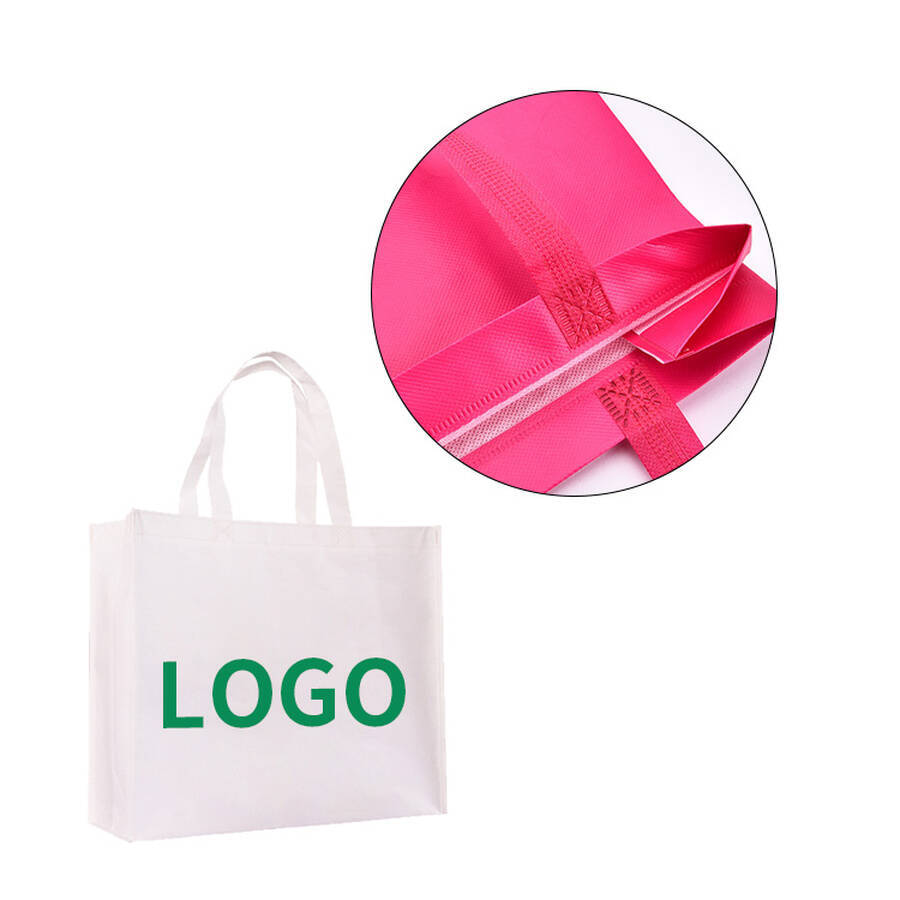
3. Corporate gifts: Customised logo gift bags, reflecting the company’s green philosophy
4. Exhibitions and events: Distributed at eco-themed exhibitions, aligning with the event’s ethos
5. Household waste sorting: Used for food waste, entering the composting system alongside food scraps
6. Coffee and tea: For packaging coffee beans, tea leaves, bread and baked goods; food-grade safety
7. Everyday storage: For organising household items; compostable after use
8. Brand packaging: Sustainable packaging for branded products, consistent with the brand’s philosophy
Packaging dimensions
The product packaging details are as follows
Customer Service
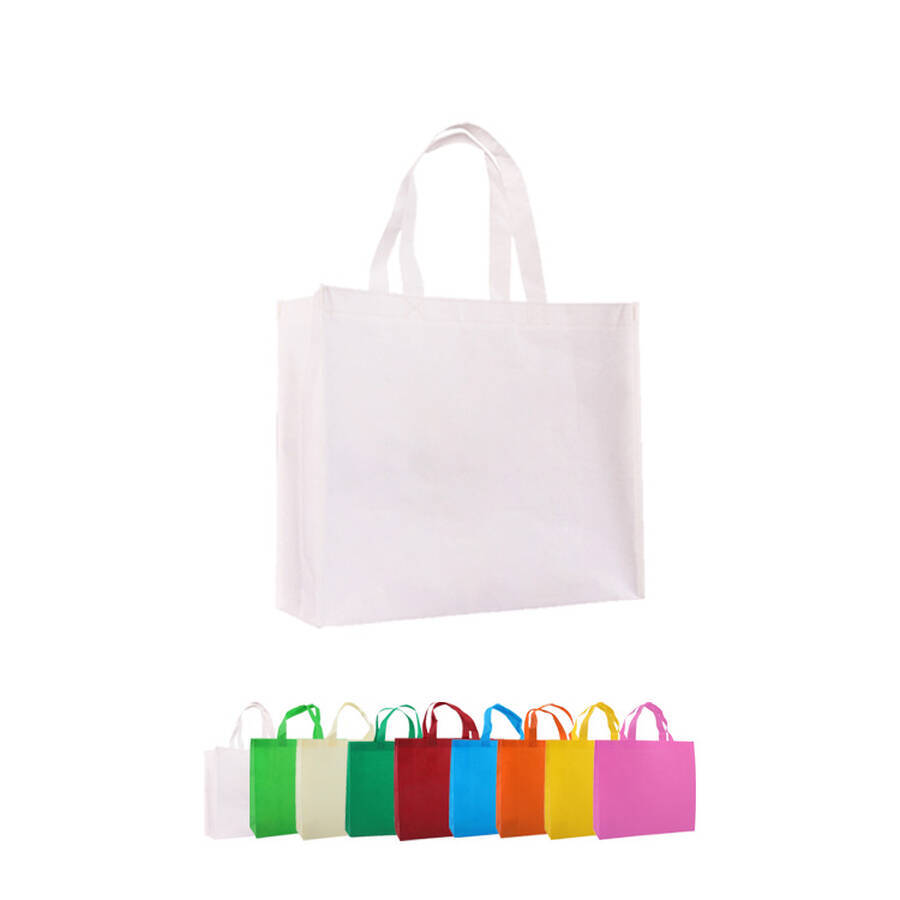
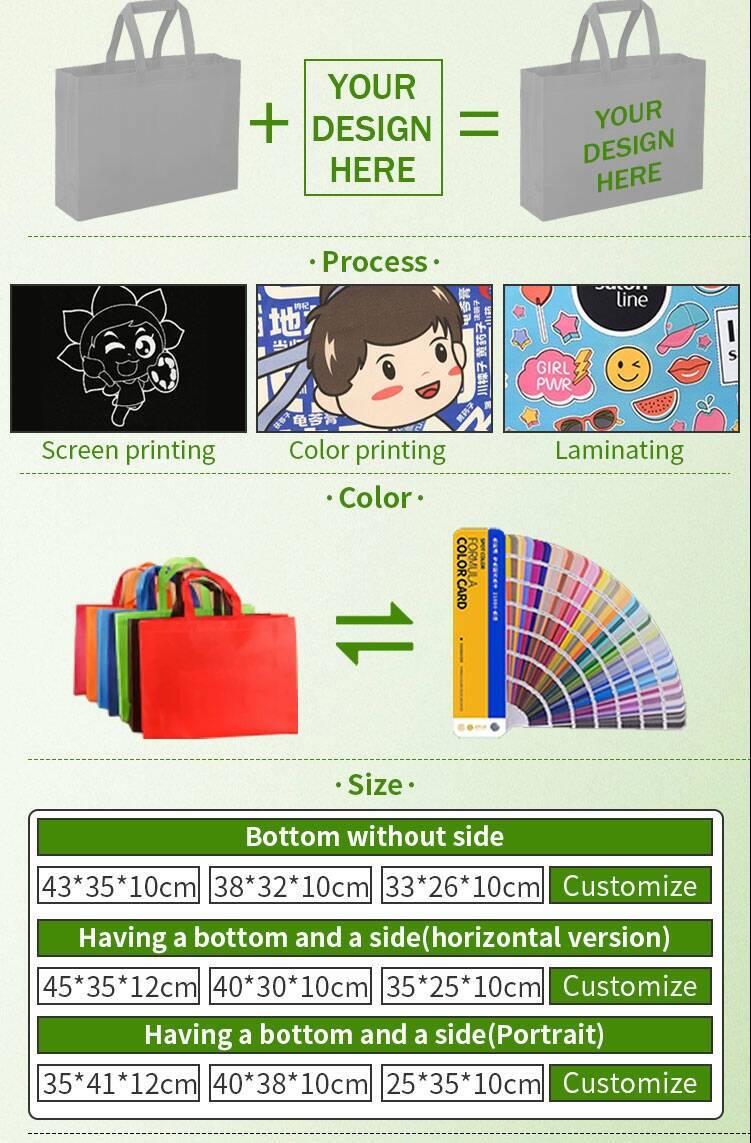
We offer comprehensive customisation options! Whether it’s a company logo, an environmental slogan or an event theme, we can print it on the bag. From bag size and colour to printing designs, we provide a one-stop customisation service to create truly biodegradable, eco-friendly corporate gifts, exhibition giveaways or branded packaging.
FAQ
Q1: What material are PLA bags made of?
A1: PLA stands for polylactic acid. It is produced by fermenting plant starches. Examples include maize. Examples include cassava. Examples include sugarcane. It is a bio-based material. It is also biodegradable. This distinguishes it from traditional petroleum-based plastics.
Q2: How do they differ from ordinary plastic bags?
A2: Ordinary plastic bags take hundreds of years to decompose. They cause microplastic pollution in the process. PLA bags fully degrade within 3–6 months. This occurs under industrial composting conditions. They leave no toxic residues.
Q3: Do PLA bags really degrade completely?
A3: They degrade completely under industrial composting conditions. These conditions include temperature of 50–60°C. They include humidity above 90%. They also include a specific microbial environment. Degradation is slower in home composting. It is also slower in the natural environment. Therefore, we do not recommend discarding them carelessly.
Q4: What happens if they are disposed of carelessly?
A4: If discarded carelessly in the natural environment, PLA bags degrade very slowly. It may take several years. They are no different from ordinary rubbish. It is recommended that they be placed in the biodegradable waste bin. Alternatively, send them to a composting facility.
Q5: Are they sturdy? Will they tear as soon as they are used?
A5: The tear resistance of PLA material is similar to that of ordinary plastic. Its toughness is also similar. Therefore, there is no problem with normal use. They can hold approximately 3–8 kg. This meets everyday shopping needs. It also meets packaging needs.
Q6: Can they be used for hot food? What is the temperature limit?
A6: PLA has poor heat resistance. Its softening temperature is approximately 50–60°C. We do not recommend using them for food straight from the hob. We also do not recommend using them for scalding hot liquids. They are suitable for room-temperature food. They are also suitable for cold food.
Q7: Can they be reused?
A7: Yes. PLA bags can be reused just like ordinary plastic bags. They maintain stable performance throughout their lifespan. Once used, they can be disposed of via a composting system.
Q8: How should they be stored? What is the shelf life?
A8: Store them in a cool, dry place. Keep them away from high temperatures. Also keep them away from direct sunlight. Unopened PLA bags have a shelf life of approximately 6–12 months. They can still be used after this period. However, the rate of degradation may accelerate.
Feel free to inquire anytime and lock in your favorite style!