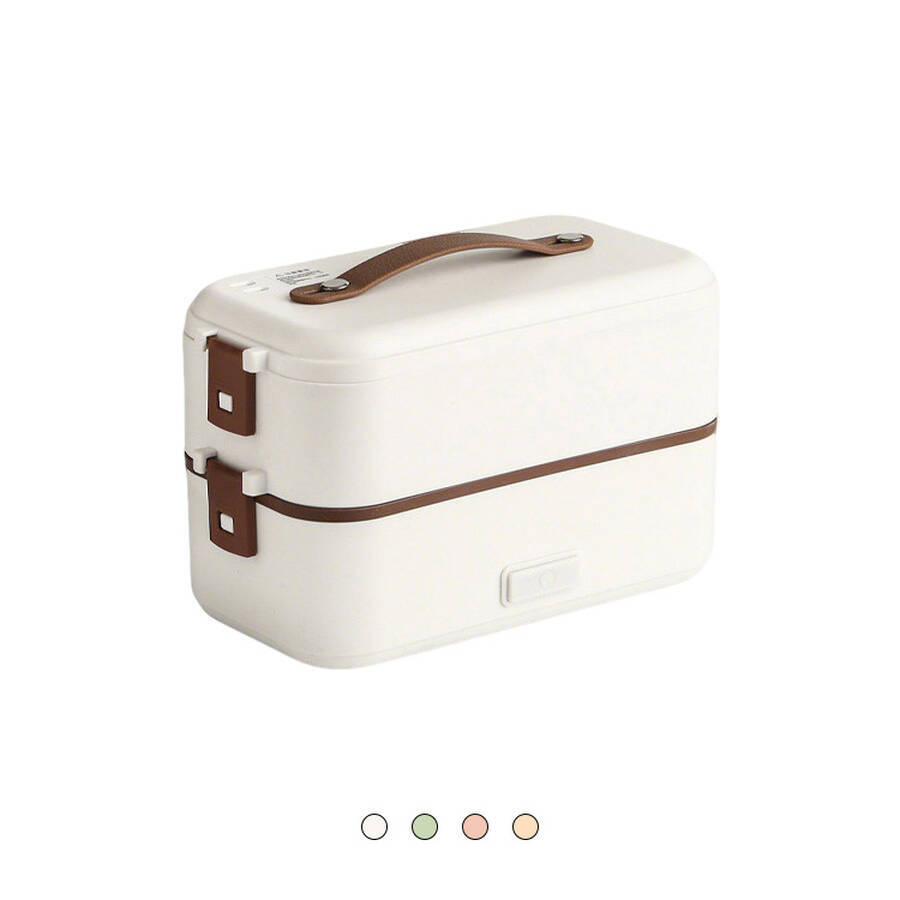
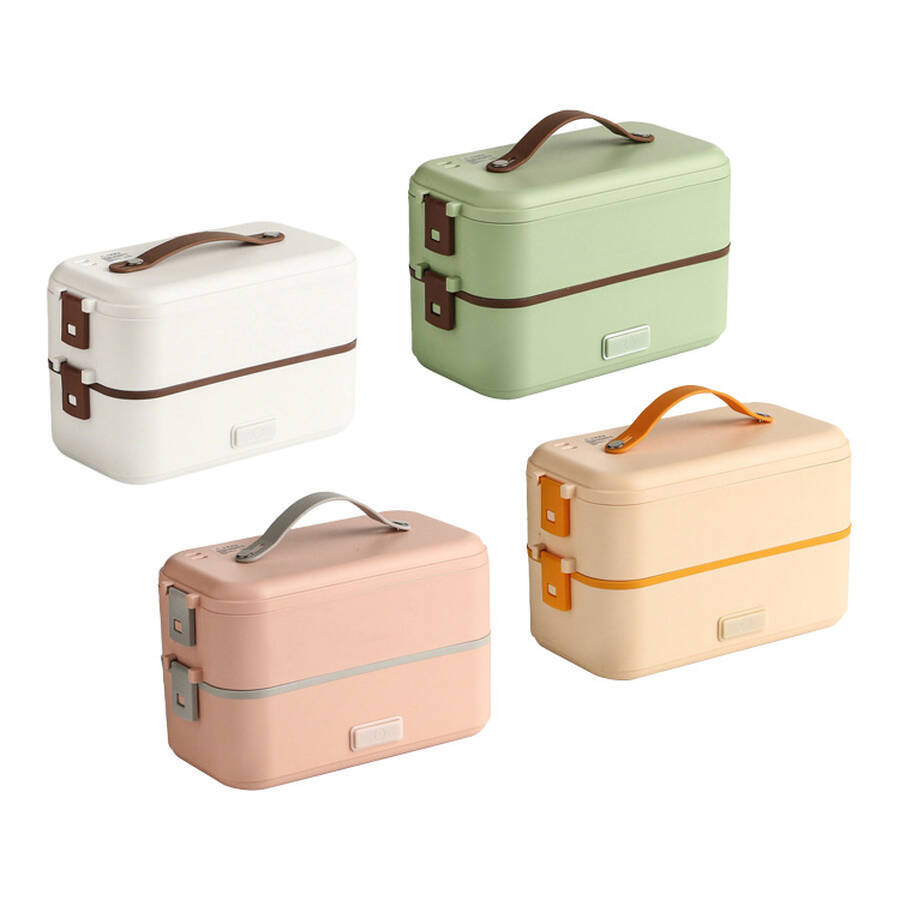
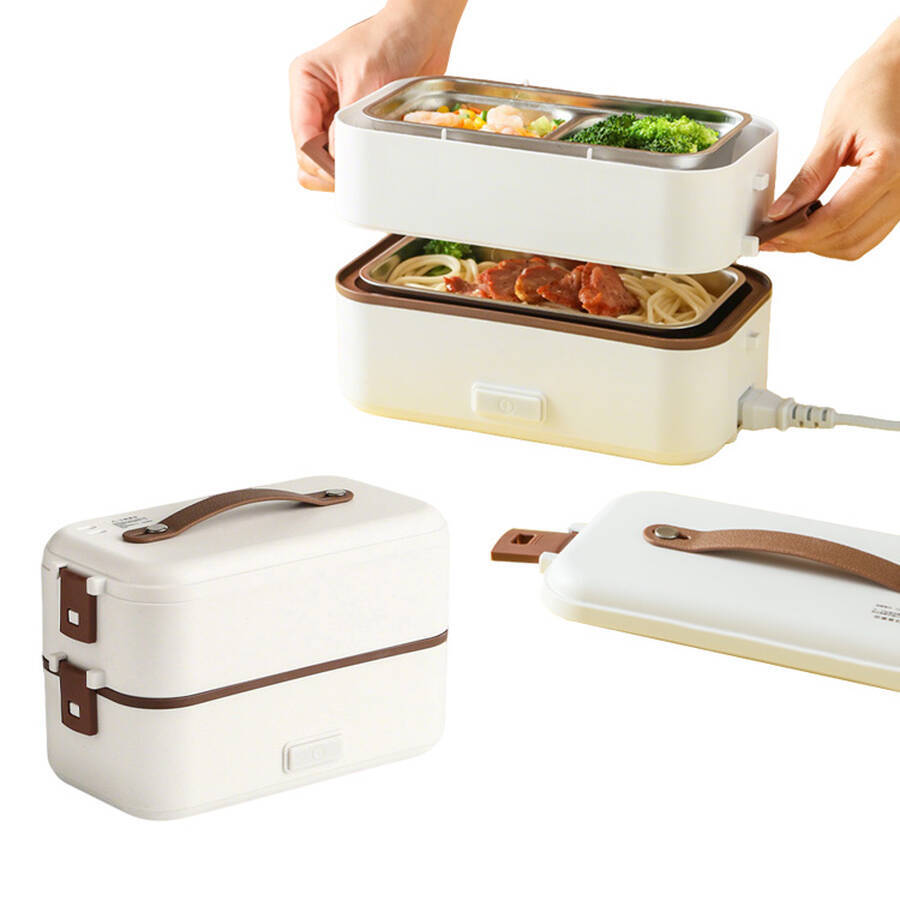
Japanese-style Electric Lunch Box
Best Japanese Style Electric Heated Lunch Box
Company Code: OLB017
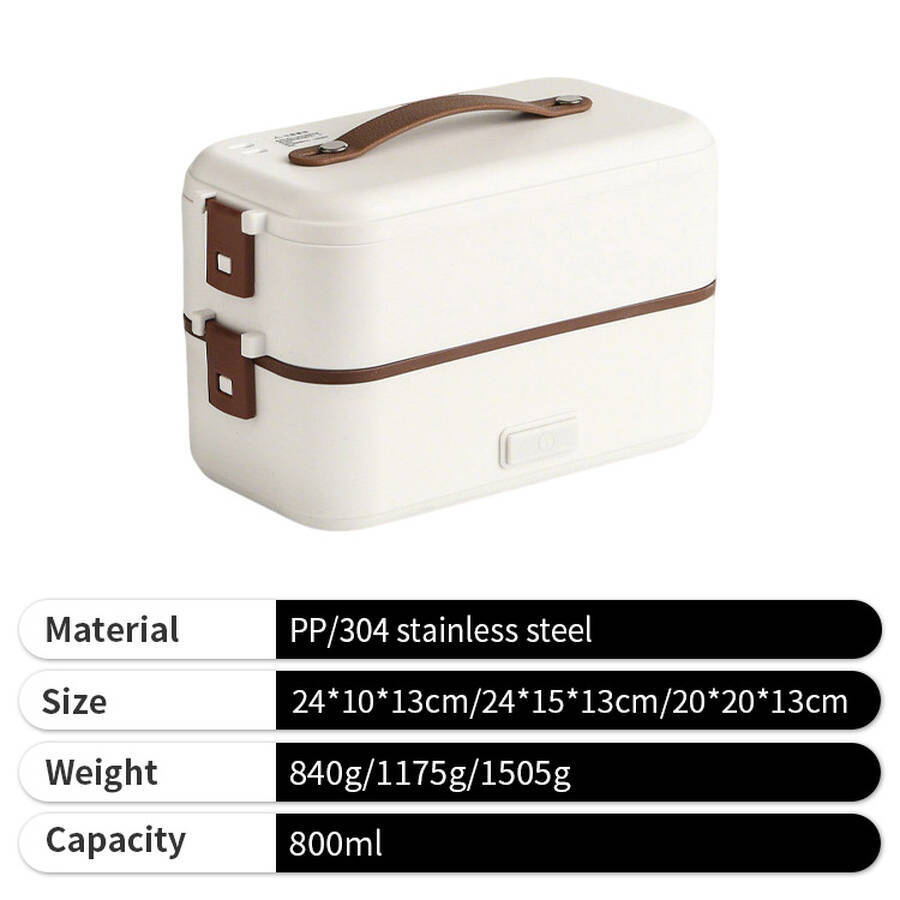
Material: PP
Steel: 304 stainless steel
Dimensions: 240 × 125 × 160 mm
Capacity: 800 ml
Control method: Button-operated
Net weight: 1.2 kg
Rated power: 300 W
Rated capacity: 800 ml
CERTIFICATES
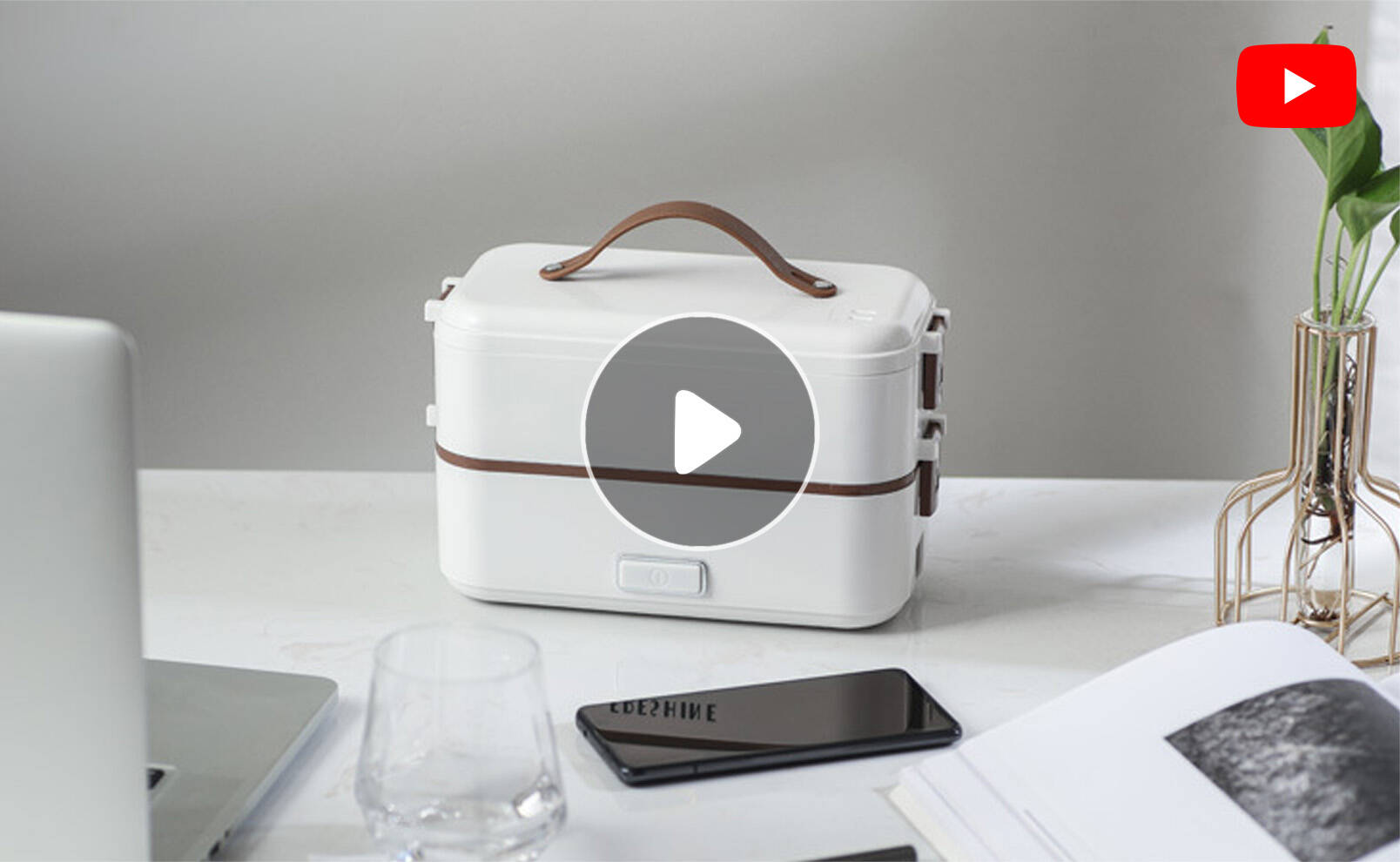
Best Japanese Style Electric Heated Lunch Box
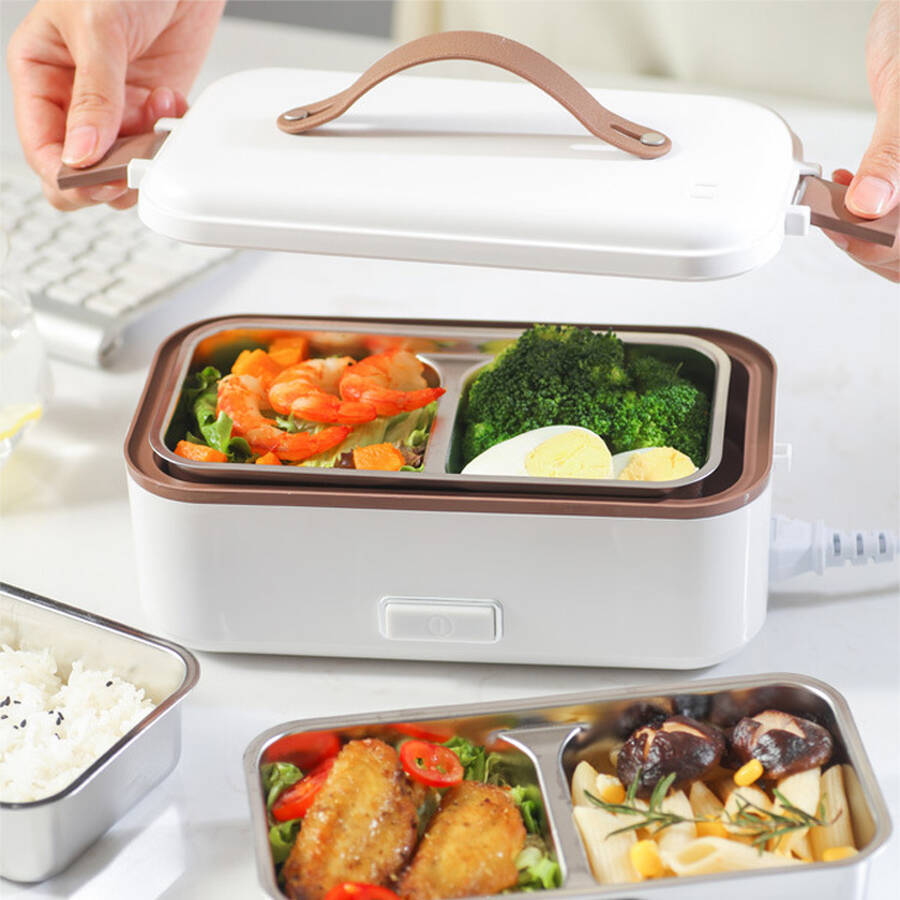
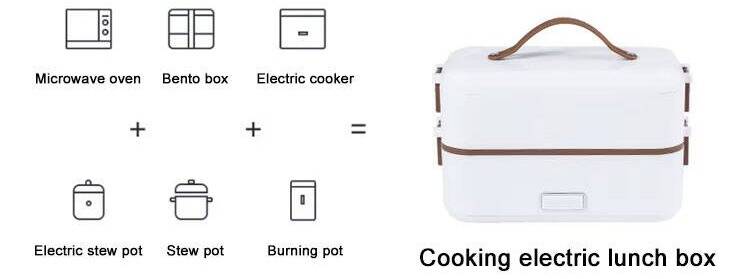
The electric lunch box is a portable heating container designed specifically for taking lunch to work, business travel and outdoor work. It is not your average insulated lunch box—which allows food to go cold after a few hours—but can be plugged in to reheat meals to piping hot temperatures, just as if they had just come out of the pan.
Advantages
- Individual heating stations and separate dining areas to avoid crowded queues
Steamed at high temperatures for fresh, nutritious meals cooked to order - Ready in a flash—just 20 minutes
Save time waiting in queues for takeaways or reheating food, and free up some time for a quick nap - Freshly prepared, energising meals to help you recharge your batteries in no time
360° steam circulation heating locks in freshness and flavour, preserving the authentic taste of your food - Food-grade stainless steel for peace of mind with every bite
Carefully selected materials inside and out, giving you complete peace of mind - Sealed preservation keeps meals fresh for longer
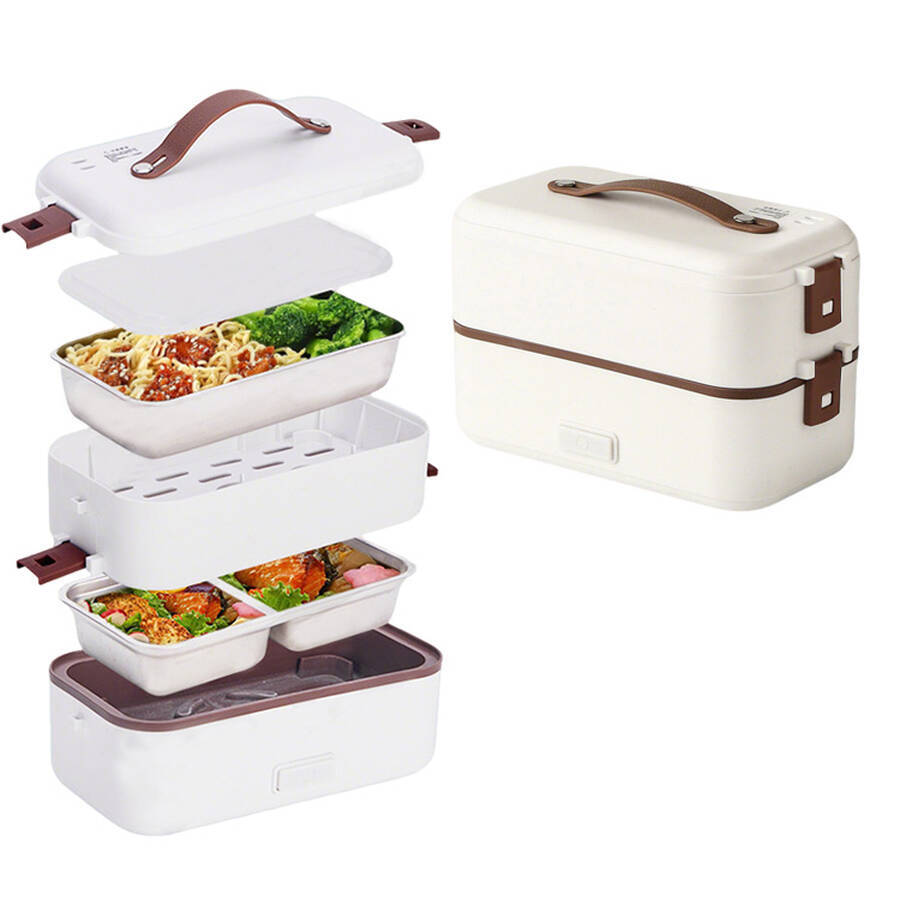
Take it with confidence, eat with confidence - Double-layer, triple-pot design prevents odour transfer
Soup, rice and a side dish – a little slice of happiness for one
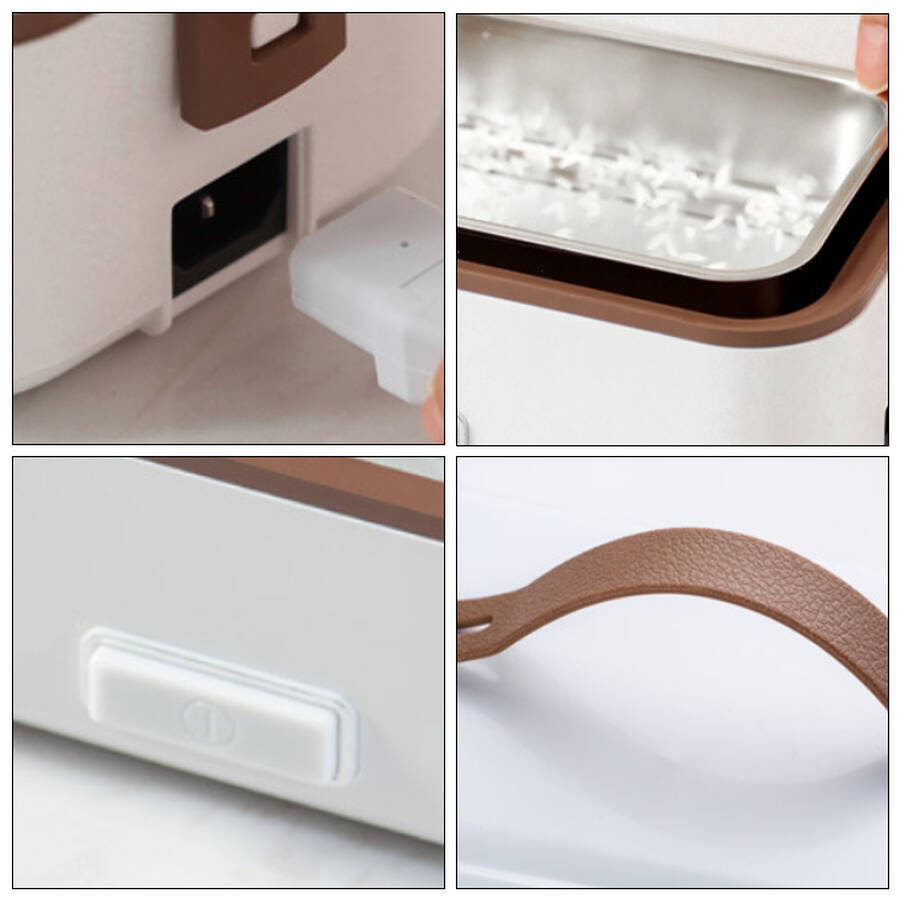
Detailed view
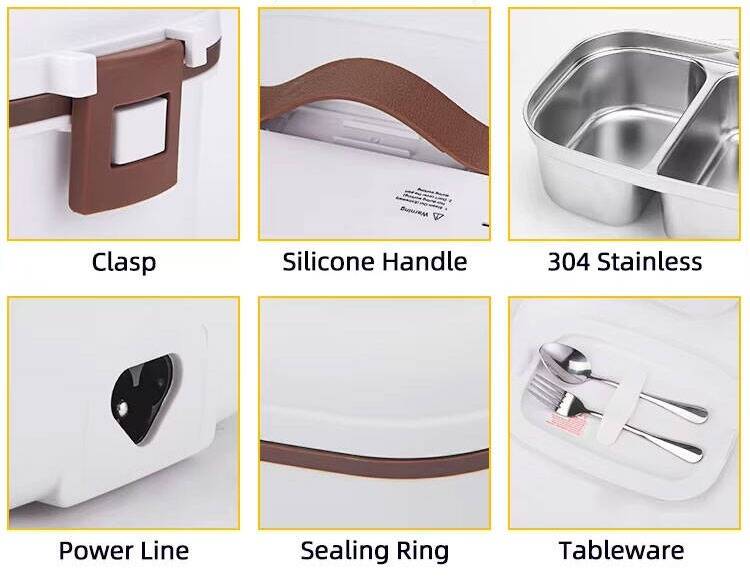
- Sealed inner lid
Keeps food fresh and prevents leaks, making it easy and hassle-free to take your lunch with you - Silicone handle
The lid features a silicone handle, making it convenient to take on the go - Anti-dry-boil protection
Ensures safe use: simply add one cup of water and press the button to start heating - Secure snap-fit closure
The secure, non-slip design is both stylish and practical - 304 stainless steel
Durable and resistant to warping, and easy to clean
Instructions for use
Customer Service
Print your brand on the lunch boxes your staff use every day, turning every lunch break into a branding opportunity. Our electric lunch boxes can be fully customised—with laser-engraved logos and bespoke brand colours—making them ideal for corporate gifts, staff perks and kitchen branding.
FAQ
Q1: What is an electric lunch box? How does it differ from a thermal lunch box?
A1: An electric lunch box is a portable lunch container. It uses electric heating elements to heat and keep food warm. It is classified as a small household appliance.
Key differences from a thermal lunch box:
| Feature | Electric lunch box | Thermal lunch box |
|---|---|---|
| Heating method | Plug‑in heating — food is heated | Vacuum insulation — delays heat loss |
| Temperature | Can heat food to piping hot | Can only maintain the original temperature — which drops over time |
| Power requirements | Requires a power socket | No power source required |
| Suitable scenarios | Offices, cars, hotels | Short‑distance carrying — situations where heating is not required |
| Price | Higher | Lower |
To put it simply: an insulated lunch box “slows down the cooling of food,” whilst an electric lunch box “reheats cold food.”
Q2: How do you use an electric lunch box? How long does it take to heat up?
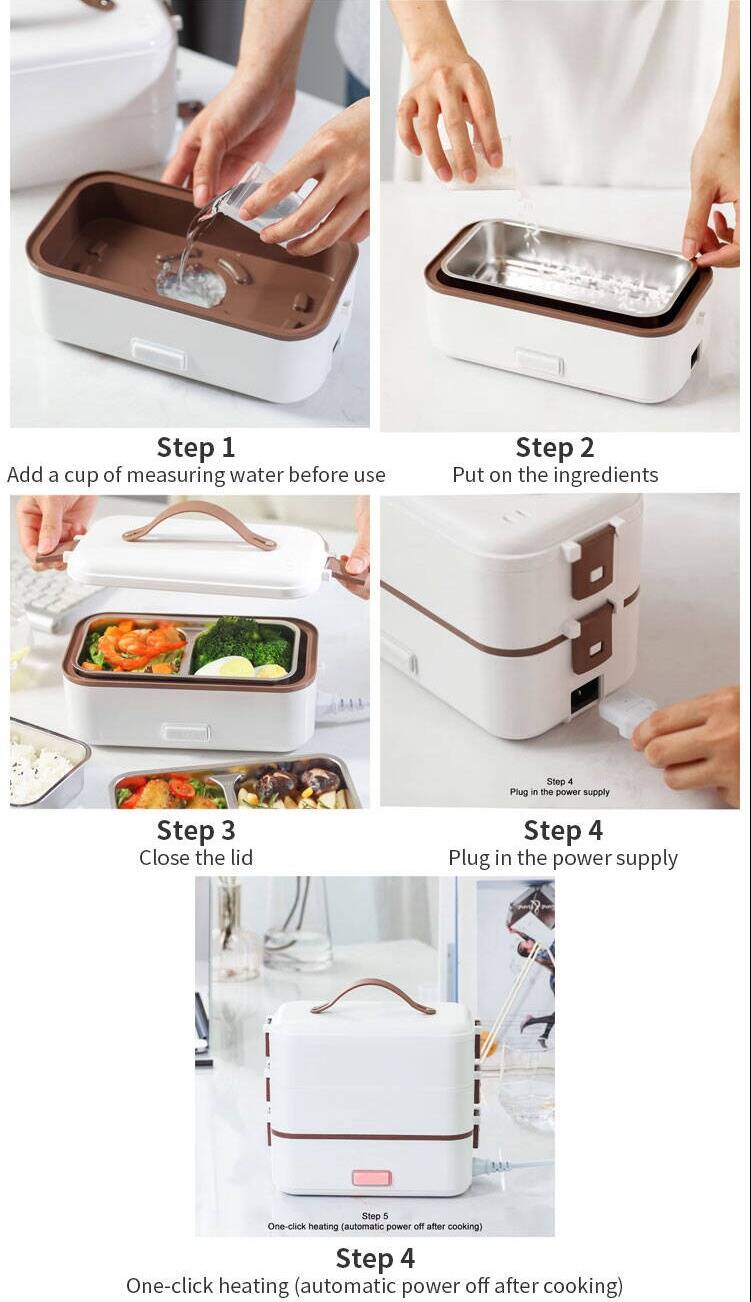
A2: It is simple to use — just three steps.
Instructions:
-
Add water: Pour an appropriate amount of water into the heating base — note the water level mark.
-
Place the inner container: Place the inner container with your food into the base and close the lid.
-
Plug in and heat: Plug in the power, turn on the switch, and wait for heating to complete.
Heating time guide:
-
Generally 20‑50 minutes — though this varies depending on the type of food, initial temperature, and the product’s power rating.
-
Rice, meat, and similar dishes require longer.
Tip: Sprinkling a few drops of water over the food whilst heating will improve the texture.
Q3: Does an electric lunch box require water? What happens if I do not add any?
A3: Most models require water. They use steam to heat the food.
How it works: Water in the base is heated to produce steam. The steam circulates to heat the food — ensuring more even heating.
Consequences of using without water: Dry heating may damage the heating element — and even pose a safety hazard.
Q4: Are the materials used in electric lunch boxes safe? Which materials are best?
A4: Genuine products use food‑grade materials — ensuring safety and reliability.
| Component | Common Materials | Safety |
|---|---|---|
| Inner pot | 304 stainless steel / 316 stainless steel / Ceramic | ✅ Food‑grade, heat‑resistant |
| Outer shell | Food‑grade PP plastic | ✅ Heat‑resistant, non‑toxic and odourless |
| Sealing ring | Silicone | ✅ Food‑grade, leak‑proof |
Purchasing advice: Look for 304 or 316 stainless steel inner liners and FDA food‑grade certification.
Avoid pitfalls: Avoid unlabelled, poor‑quality plastics — they may release harmful substances at high temperatures.
Q5: Can electric lunch boxes be used in the microwave?
A5: Absolutely not.
Reason: Electric lunch boxes contain metal components — heating elements and stainless steel inner liners. Placing them in the microwave will cause sparks — damaging the microwave or even causing a fire.
Correct procedure: If you need to heat food in the microwave, remove the food and place it in a microwave‑safe container.
Q6: How do I clean an electric lunch box? Can the whole unit be washed?
A6: Some can, some cannot. It depends on the product design.
| Type | Cleaning method |
|---|---|
| Detachable type | The inner container can be removed and washed. The main unit — heating base — must not be washed. Wipe with a damp cloth. |
| One‑piece type — washable models | The entire unit can be washed — but must be left to dry completely before use. |
| Non‑washable models | Only the inner pot can be washed. Water must not enter the main unit. |
General guidelines:
-
The inner pot, lid, and accessories can be cleaned with washing‑up liquid and a sponge.
-
The main unit must not be immersed in water — to prevent electric shock or damage.
-
Do not use hard objects such as steel wool to scrub — this may scratch the surface.
-
Allow to dry thoroughly after cleaning before storing.
Note: Never submerge the entire lunch box in water to rinse — this may cause water ingress and result in malfunction.
Q7: What should I do if the indicator light does not come on or the electric lunch box does not work whilst heating?
A7: Follow these troubleshooting steps:
-
Check the power supply: Is the plug firmly inserted? Is there power at the socket?
-
Check the power cord: Is the power cord damaged? If so, it must be replaced by a qualified technician.
-
Check for water ingress: Has water entered the interior of the unit? Water ingress may cause circuit damage.
-
Check the heating element: If the indicator light is on but the unit is not heating, the heater may be faulty.
Recommended action: If all the above checks are normal but the unit still does not work, contact the brand’s after‑sales service or take it to a professional repair centre.
Q8: What foods can be heated in an electric lunchbox? Which ones are unsuitable?
A8: Most foods are suitable. A few require caution.
| Suitable for heating | Requires caution |
|---|---|
| Rice, noodles | Leafy green vegetables — may turn yellow if kept warm for too long |
| Stews, stir‑fries | Seafood — prone to developing a fishy odour |
| Meat, eggs | Soups — must be tightly sealed |
Recommendation: When carrying soup, choose a model with a good seal — or use a separate container.
Feel free to inquire anytime and lock in your favorite style!