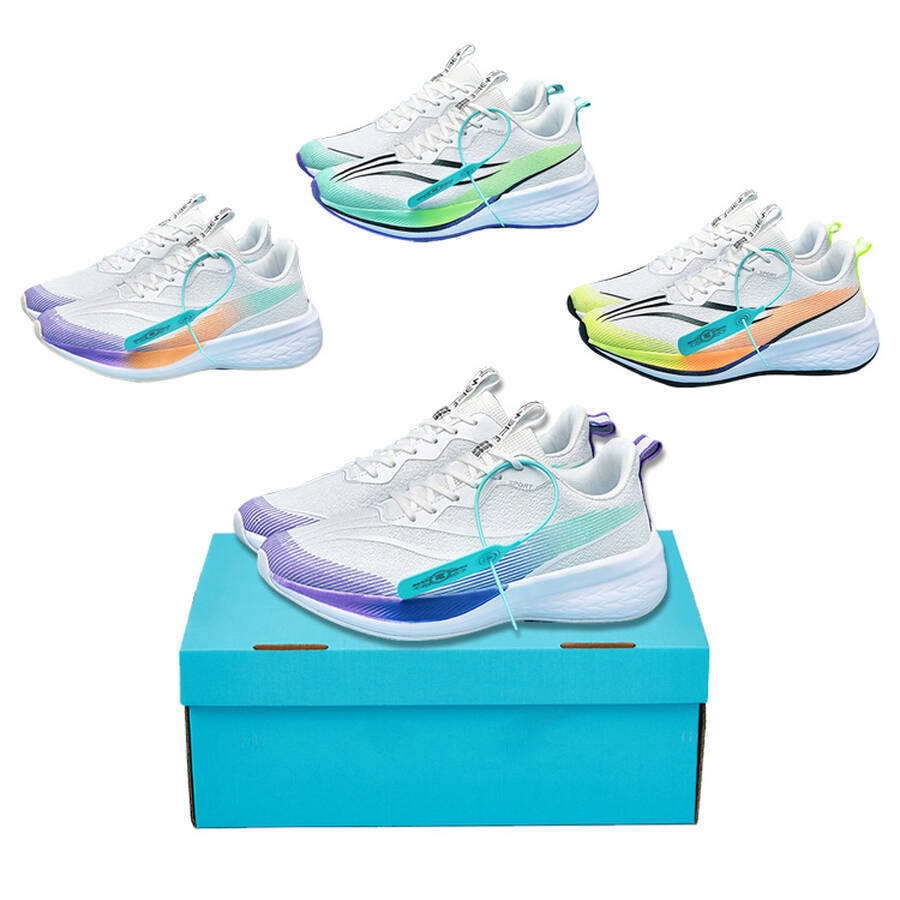
Sneakers
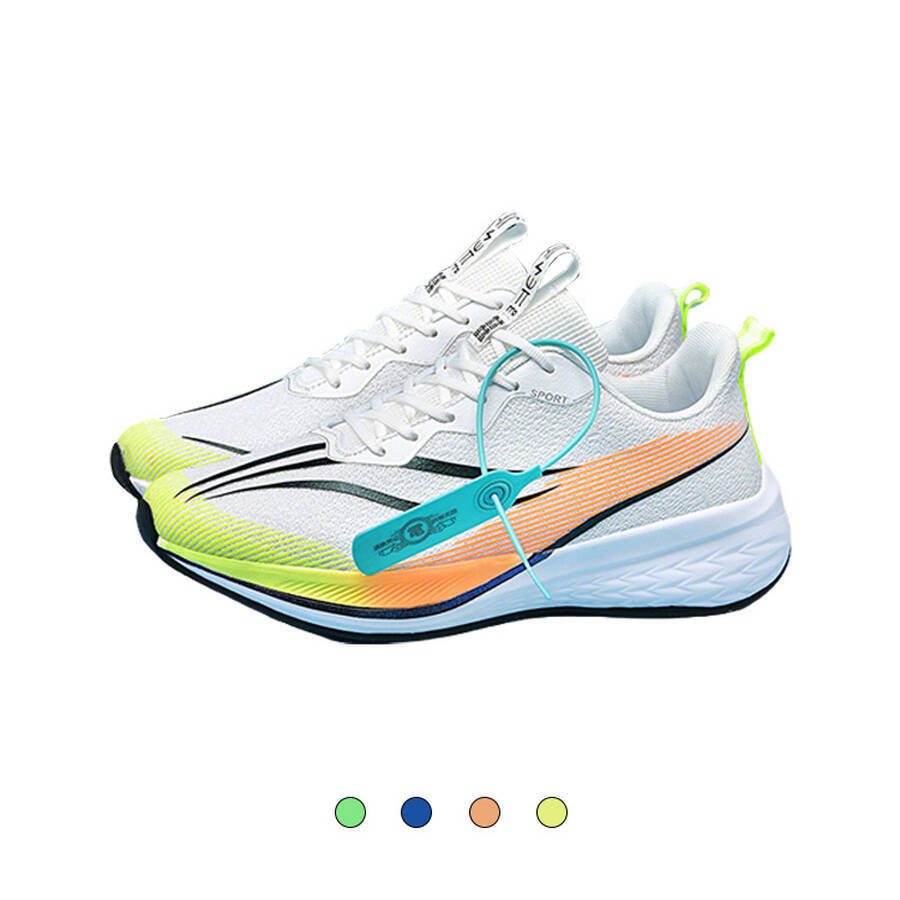
Best Sport Running Basketball Shoes for Men
Company Code: OFH006
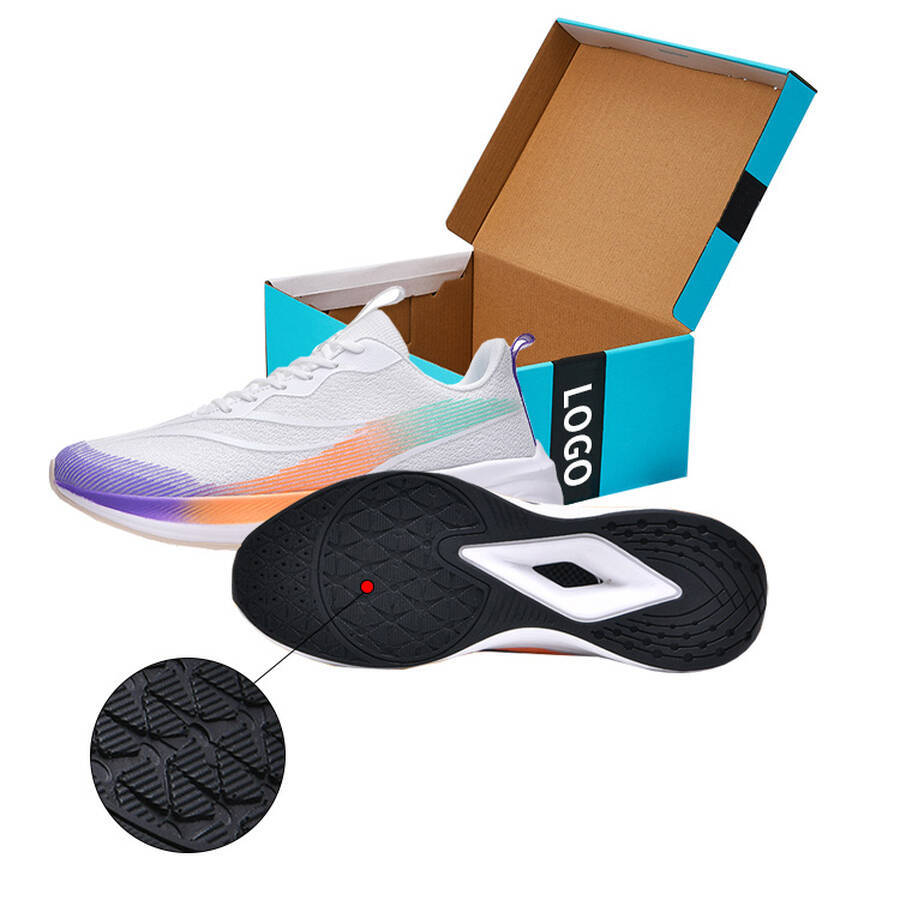
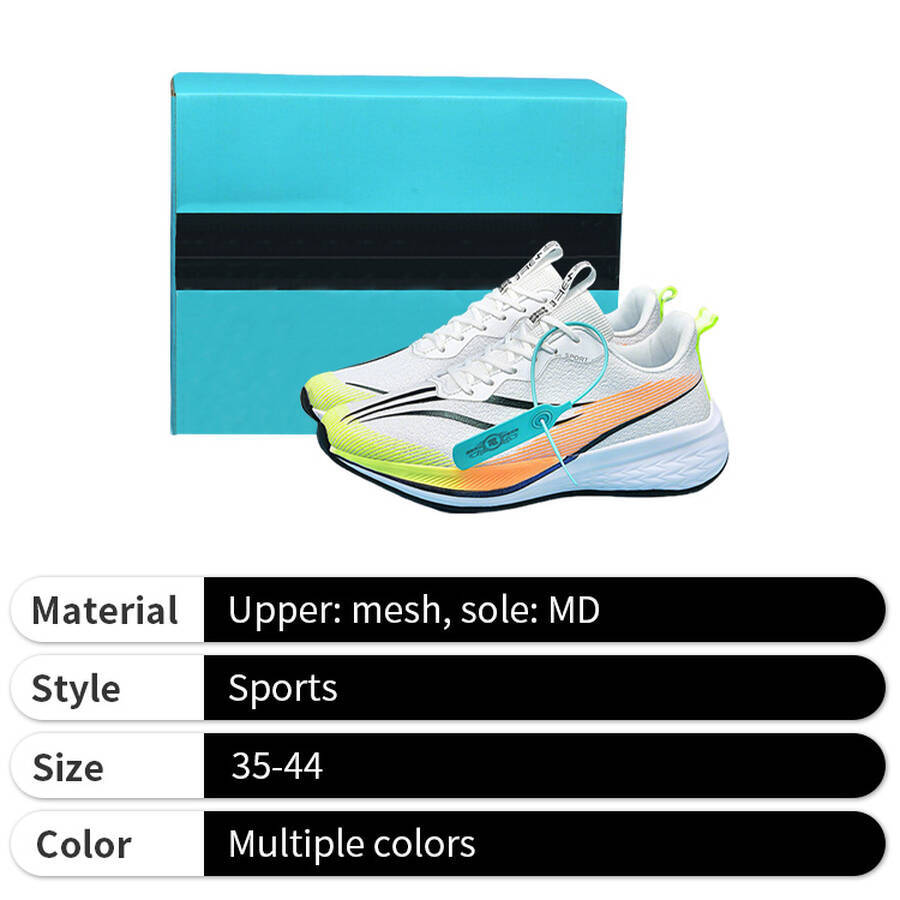
Sole Material : MD
Upper Material : Mesh
Insole Material : PU
Lining Material: Mesh
Heel Style : Flat Heel
Sole Construction : Adhesive Sole
Heel Height : Low Heel (1–3 cm)
Features : Breathable, Balanced, Slip-Resistant, Shock-Absorbing
CERTIFICATES
Best Sport Running Basketball Shoes for Men
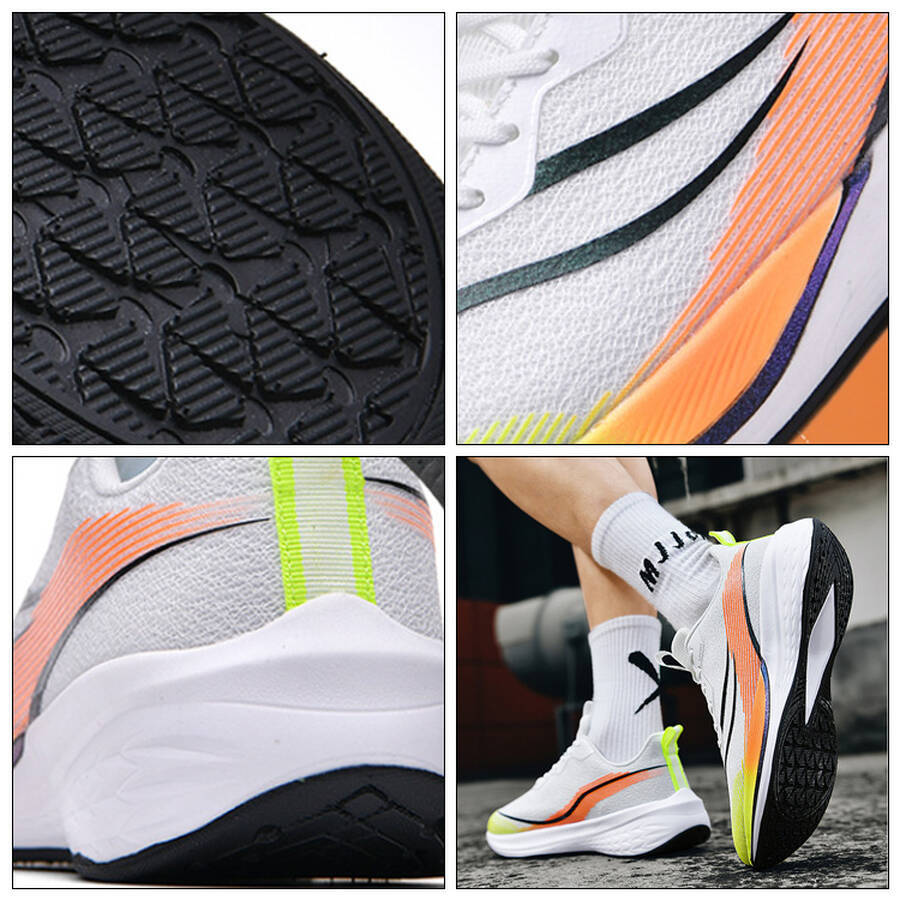
Sneakers are no longer limited to the sports field. They have become an indispensable companion — for daily commutes and workouts. They use technology to safeguard every step. The midsole provides cushioning — to absorb impact upon landing — protecting your knees and ankles. The mesh upper allows for breathability and moisture‑wicking — keeping your feet cool and dry in the summer. The lightweight design ensures you will not get tired — even after walking for hours. The rubber outsole offers slip‑resistant traction — keeping you steady even on wet or slippery surfaces. From minimalist white sneakers to professional running shoes — from the gym to the streets — a good pair of sneakers ensures every step strikes the perfect balance between comfort and support.
Advantages
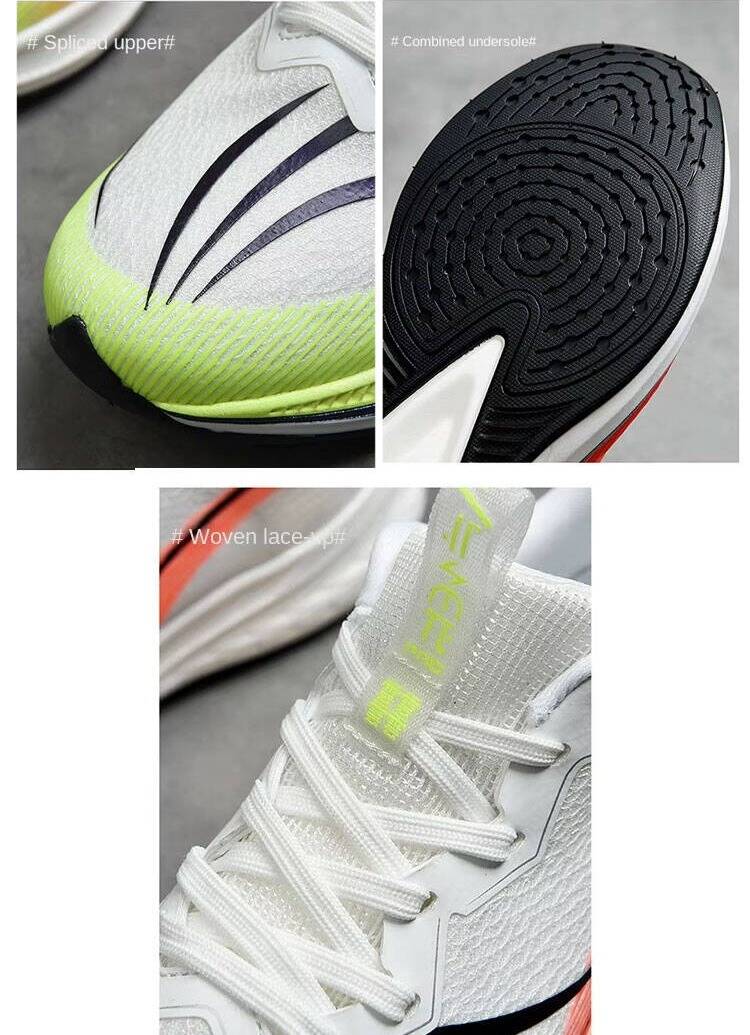
- Lightweight EVA composite outsole combined with a rubber midsole for fatigue-free walking\
- Combines lightweight construction with a soft, springy feel
- Offers excellent support and breathability
- Stylish and versatile design
- Features bold, trendy elements for a unique look
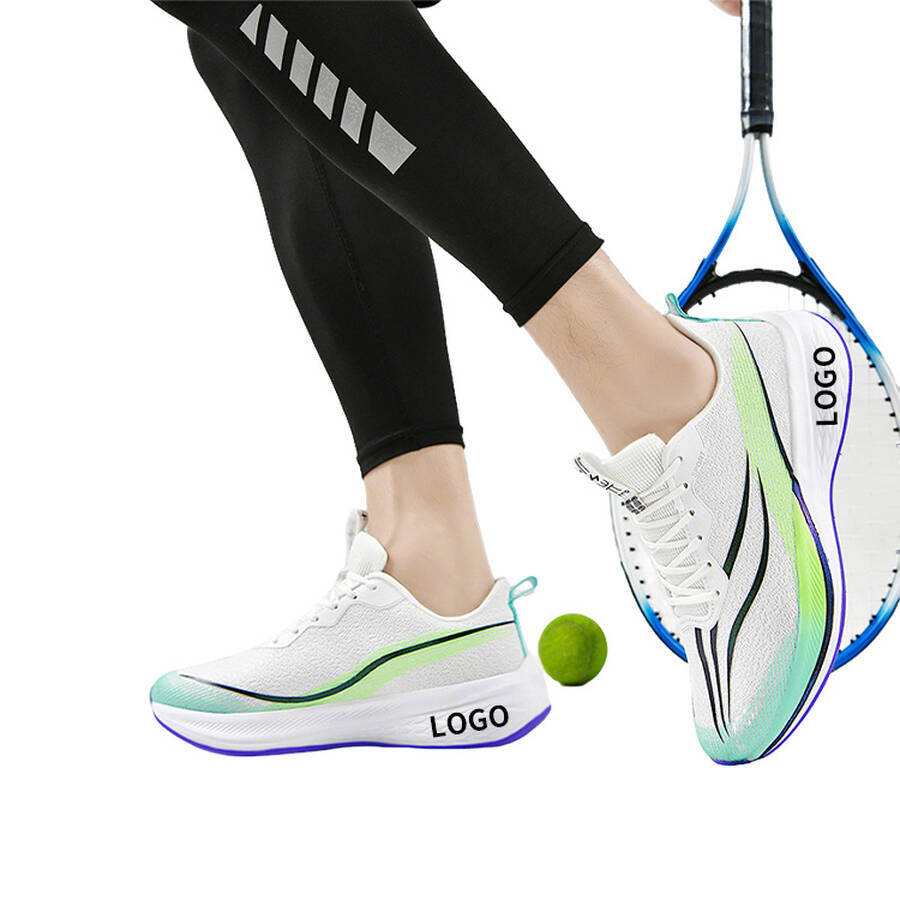
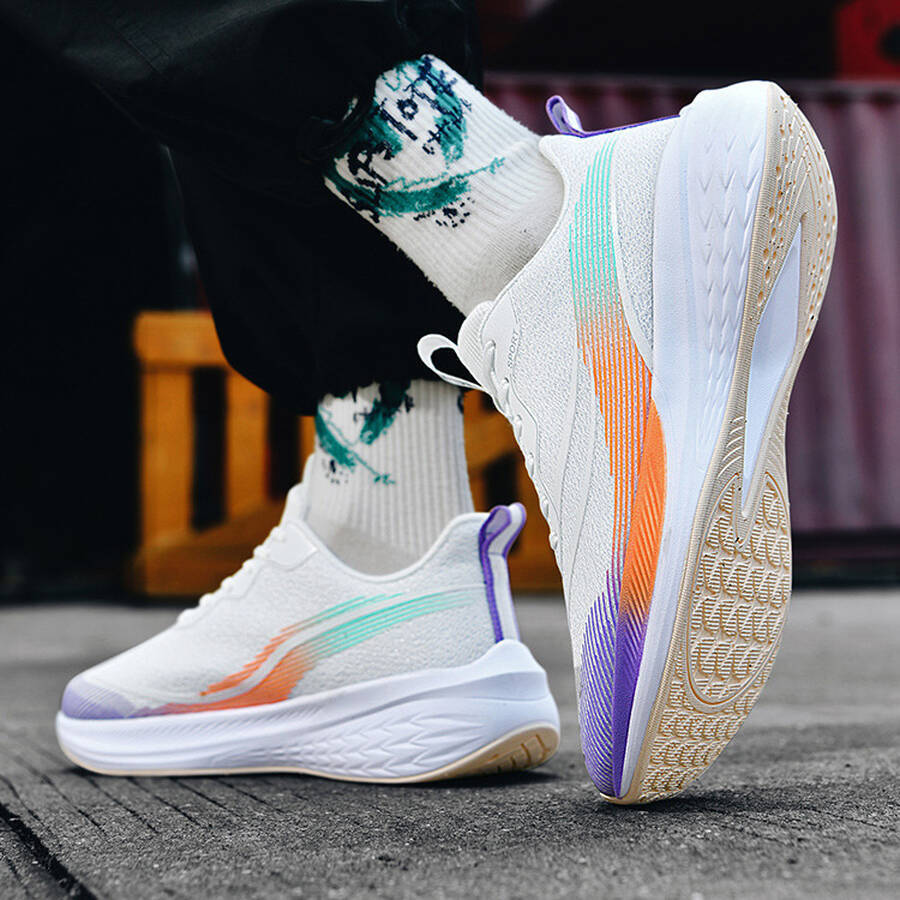
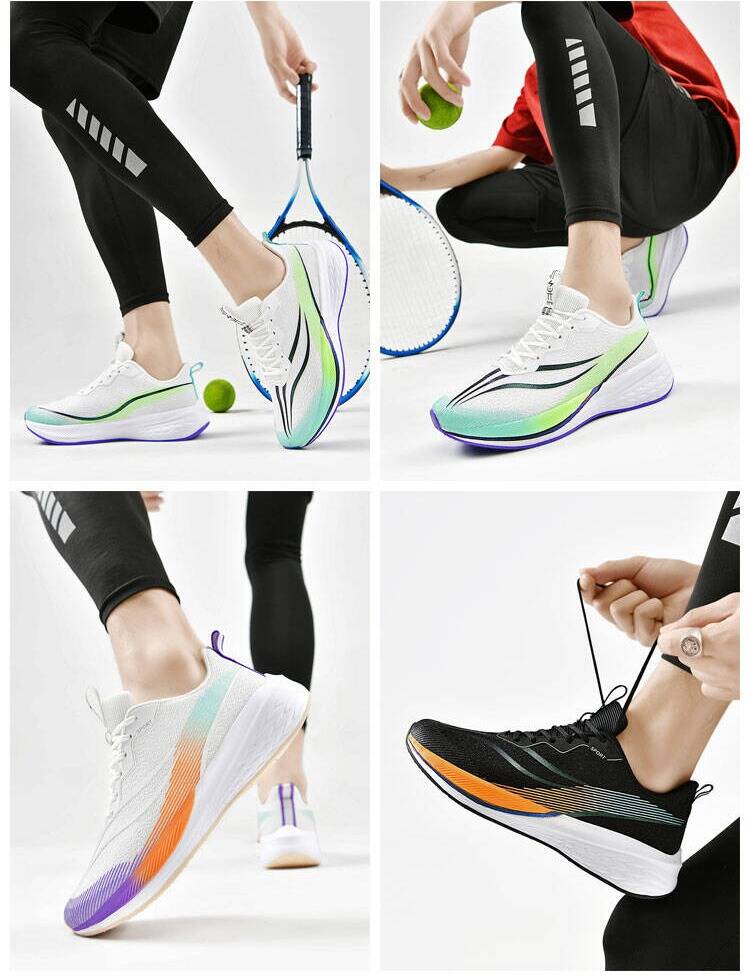
On-foot Photo
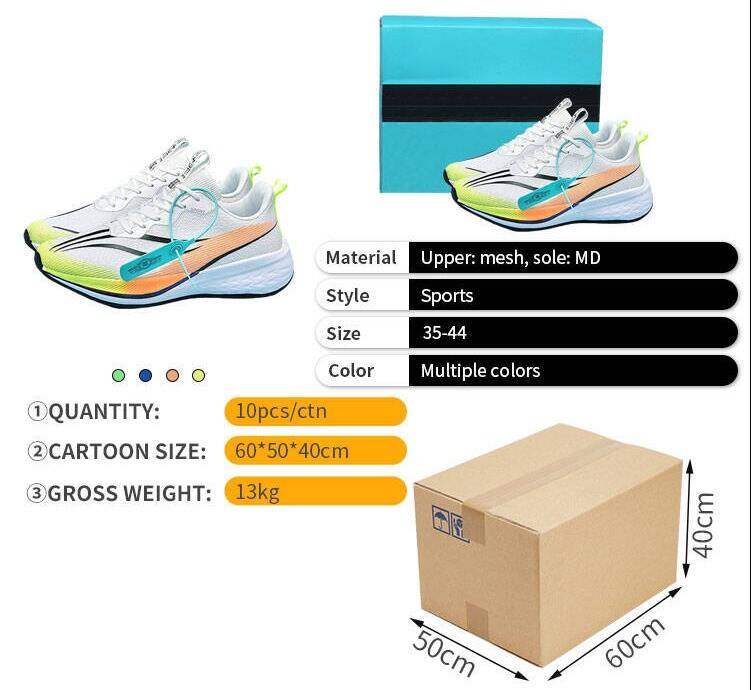
Packaging Specifications
The product packaging information is as follows.
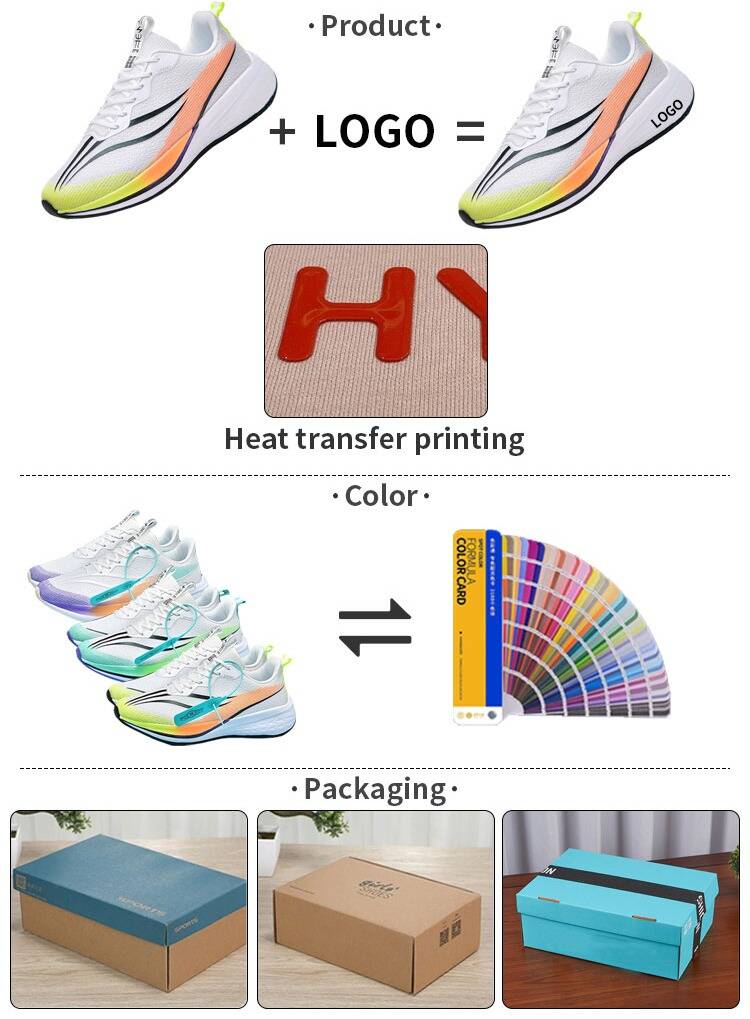
Custom Services
Print your team’s name on the side of the shoe. Wear your shared spirit on your feet. These sneakers support custom designs. This ensures that every team‑building event — and every competition — leaves a unified mark.
FAQ
Q1: How should I choose the size of my athletic shoes? Should I go a size larger or smaller?
A1: Athletic shoe sizes vary by brand and shoe style. We recommend following these guidelines.
Measuring instructions:
-
Measure your foot length in the afternoon — or after exercising — when your feet are slightly swollen.
-
Wear athletic socks and measure while standing — your feet will lengthen when bearing weight.
-
Measure the distance from your longest toe to your heel.
Sizing Recommendations: -
Generally, leave 0.5‑1 cm of extra space in athletic shoes — about the width of a thumb.
-
For running shoes, go up half a size — as feet swell with blood flow during running.
-
For basketball shoes, choose a snug fit that provides good support and protects the ankles.
-
For casual athletic shoes, select your regular size.
Fitting Tips: -
Push your toes all the way to the front. There should be enough room to fit one finger behind your heel.
-
There should be no squeezing on the sides. Your toes should be able to move freely.
-
The heel should not slip out while walking.
Q2: How should I clean and care for my athletic shoes?
A2: Proper cleaning will help your athletic shoes last longer.
Daily Cleaning:
-
Dust Removal: Use a soft‑bristled brush or dry cloth — to brush off surface dust.
Spot Cleaning: -
Use a soft‑bristled brush, mild detergent, and warm water — to gently scrub soiled areas.
-
For mesh uppers, brush gently. For leather uppers, wipe with a damp cloth.
Sole Cleaning: Use a toothbrush dipped in detergent — to scrub mud and sand from the grooves.
Rinsing: Wipe off foam with a damp cloth — or rinse quickly under running water. Do not soak for extended periods.
Drying: -
Stuff with newspaper or shoe trees — to absorb moisture and maintain shape.
-
Dry in a cool, shaded area. Do not expose to direct sunlight — or use a dryer.
-
Do not use a heater to dry — this may cause the glue to come loose.
Special Note: -
Do not machine wash — except for select machine‑washable styles. Machine washing may cause the glue to come loose — or the shoes to lose their shape.
-
Do not use bleach or fabric softener.
-
Use a specialised cleaner for genuine leather sneakers.
Q3: What should I do if my sneakers start to come apart?
A3: Sneakers coming apart is common. You can repair them yourself — or seek professional help.
Minor separation:
-
Wipe the separated area clean with alcohol or a cleaner. Then let it dry completely.
-
Apply specialised resin adhesive — or sneaker‑specific glue.
-
Press the pieces together and secure them with rubber bands or clips — for 24 hours.
Severe delamination: We recommend taking them to a shoe repair shop — or the brand’s after‑sales service.
Preventing delamination: -
Avoid prolonged soaking.
-
Avoid direct sunlight and high‑temperature drying.
-
Do not wear sneakers for activities they are not designed for — e.g., playing basketball in running shoes.
Q4: What should I do if my sneakers have an odor?
A4: Odours are caused by bacterial growth. Both cleaning and disinfection are necessary.
Daily Prevention:
-
Let them air dry in a well‑ventilated area after each use.
-
Do not wear the same pair consecutively. Give your shoes time to rest.
-
Wear moisture‑wicking athletic socks.
Odour Removal: -
Baking soda: Sprinkle inside the shoes, leave overnight, then shake out.
-
Activated charcoal packets: Place inside the shoes to absorb odours.
-
Alcohol spray: Dilute and spray inside the shoes — to kill bacteria and eliminate odours.
-
Professional deodorising spray: Available from sports brands.
-
Wash the insoles: Remove the insoles separately, wash them, and let them air dry.
Q5: Can worn‑out soles on athletic shoes be repaired?
A5: It depends on the extent of the wear.
Minor wear: This is normal and does not affect functionality. No action is needed.
Noticeable uneven wear: May be due to walking posture. Consult a professional.
Severe wear — soles worn flat:
-
You can visit a shoe repair shop to have a new sole applied — add a layer of rubber.
-
However, this is not recommended. It alters the feel of the shoe — and the sole is prone to peeling.
-
It is better to replace the shoes. Severely worn shoes have lost their cushioning. Continued use can damage your knees.
Q6: How long should I wear athletic shoes before replacing them?
A6: It depends on frequency of use and intended activity.
| Usage | Recommended Replacement Cycle |
|---|---|
| Daily commuting / occasional wear | 1‑2 years |
| Running 2‑3 times per week | 6‑8 months — approx. 500‑800 km |
| Daily running / training | 4‑6 months — approx. 300‑500 km |
| Basketball / High‑intensity sports | 3‑6 months |
Signs it is time to replace:
-
Severe sole wear — with tread patterns worn smooth.
-
Cushioning has noticeably hardened — causing knee pain after running.
-
Upper is damaged — reducing support.
-
Repeated delamination that cannot be repaired.
Q7: Can sneakers be paired with jeans?
A7: Yes — and it is a very classic combination.
| Shoe Style | Jeans Style | Look |
|---|---|---|
| White Sneakers | Any jeans | Fresh and versatile |
| Retro Running Shoes | Straight‑leg / Slightly flared | Retro Casual |
| Dad Sneakers | Cuffed / Crop Pants | Trendy Streetwear |
| Skate Shoes | Skinny / Straight‑Leg | Minimalist Campus |
| Basketball Shoes | Loose‑Fit / Cuffed | Sporty Streetwear |
Pro Tip: Roll up your pant legs — to show your ankles or the top of your shoes. This makes your legs look longer.
Feel free to inquire anytime and lock in your favorite style!