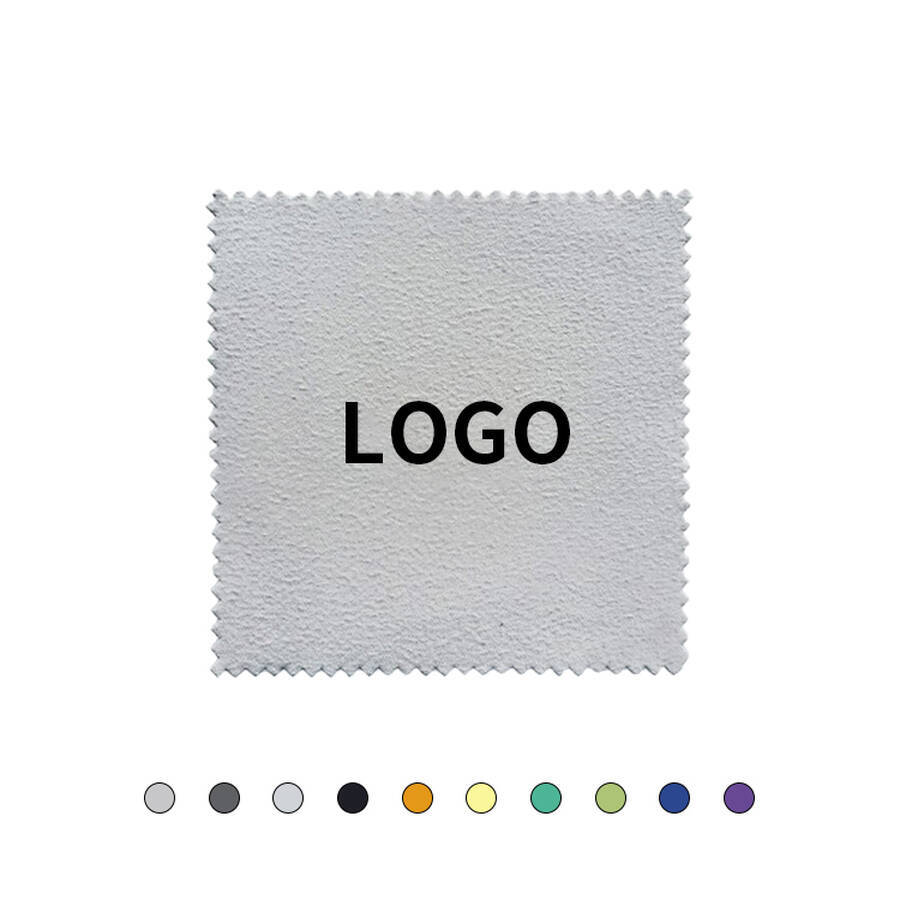
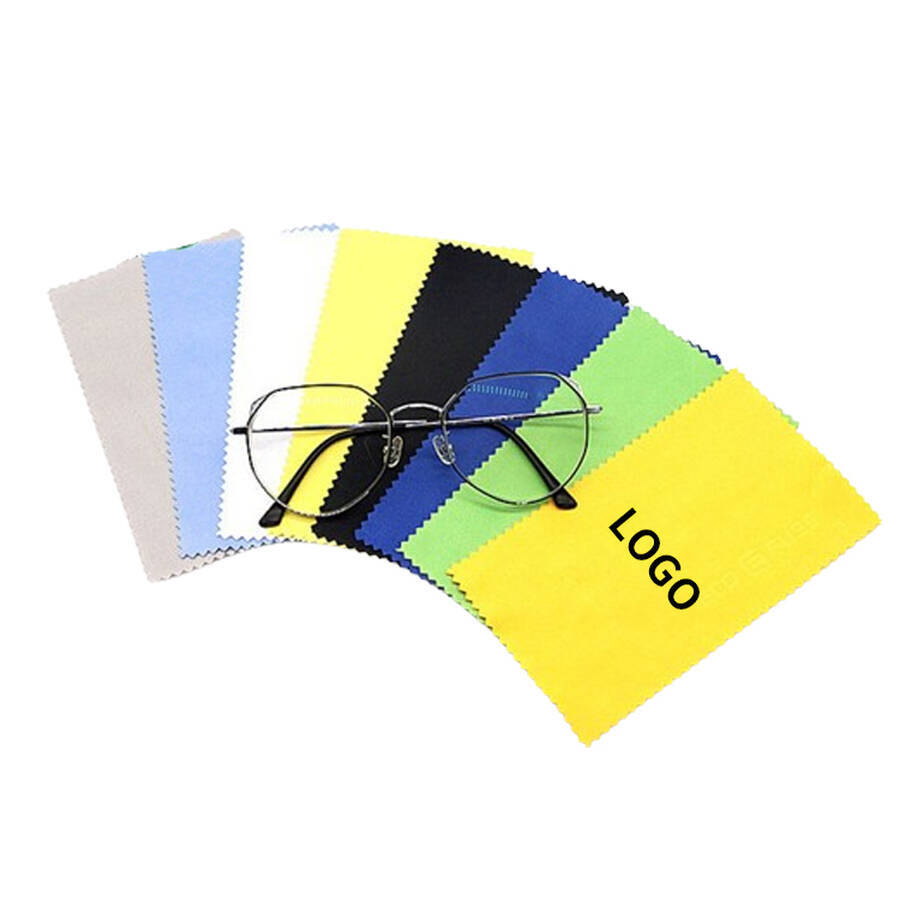
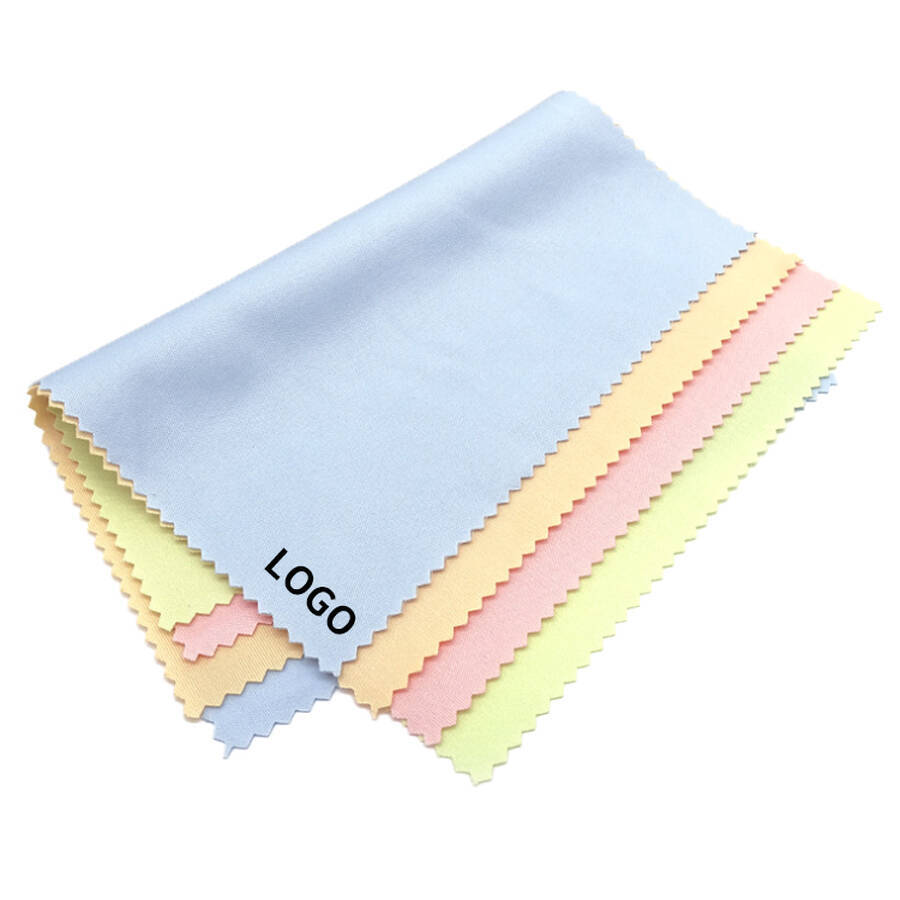
Glasses Cleaning Cloth
Microfiber Double-sided Fleece Custom Glasses Lens Cleaning Cloth
Company Code: RFC007
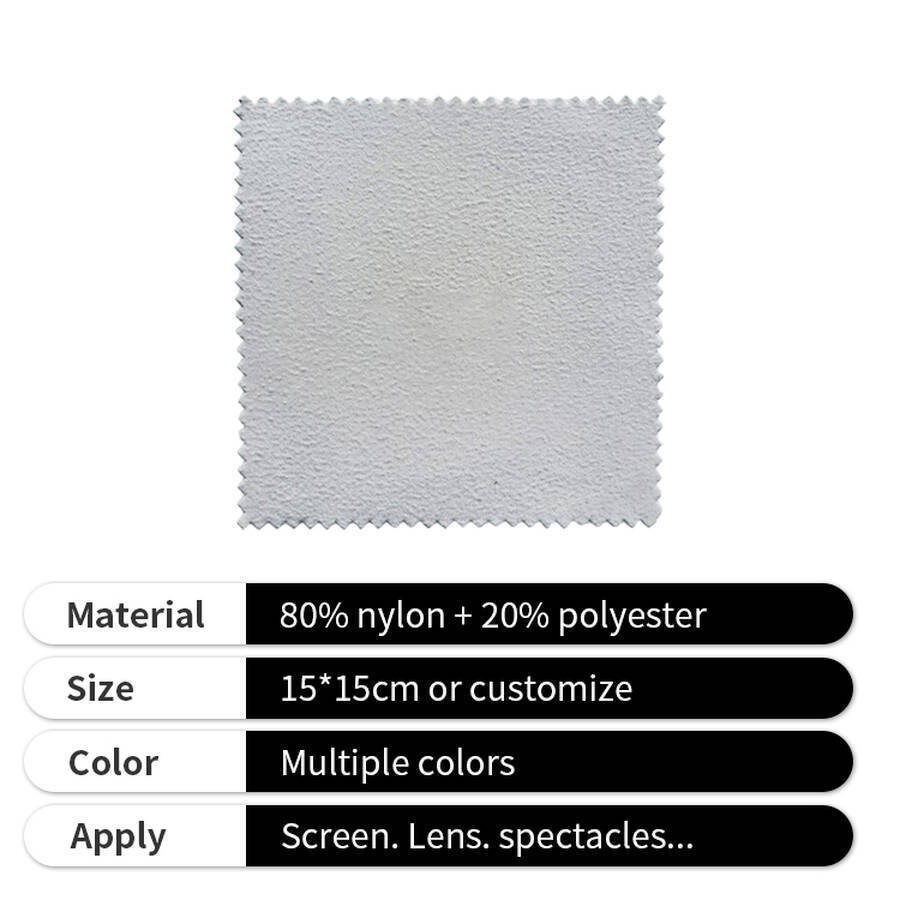
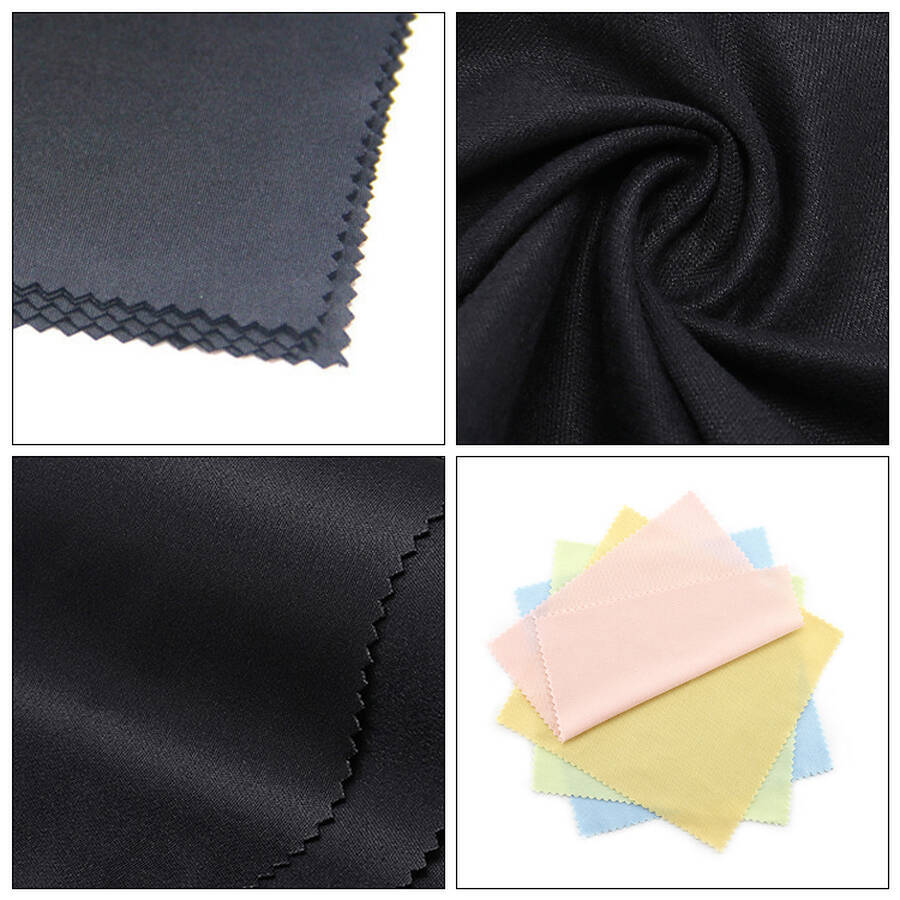
Material: 80% nylon + 20% polyester
Size: 15*15cm
Weight: 20g
Style : Double-sided design
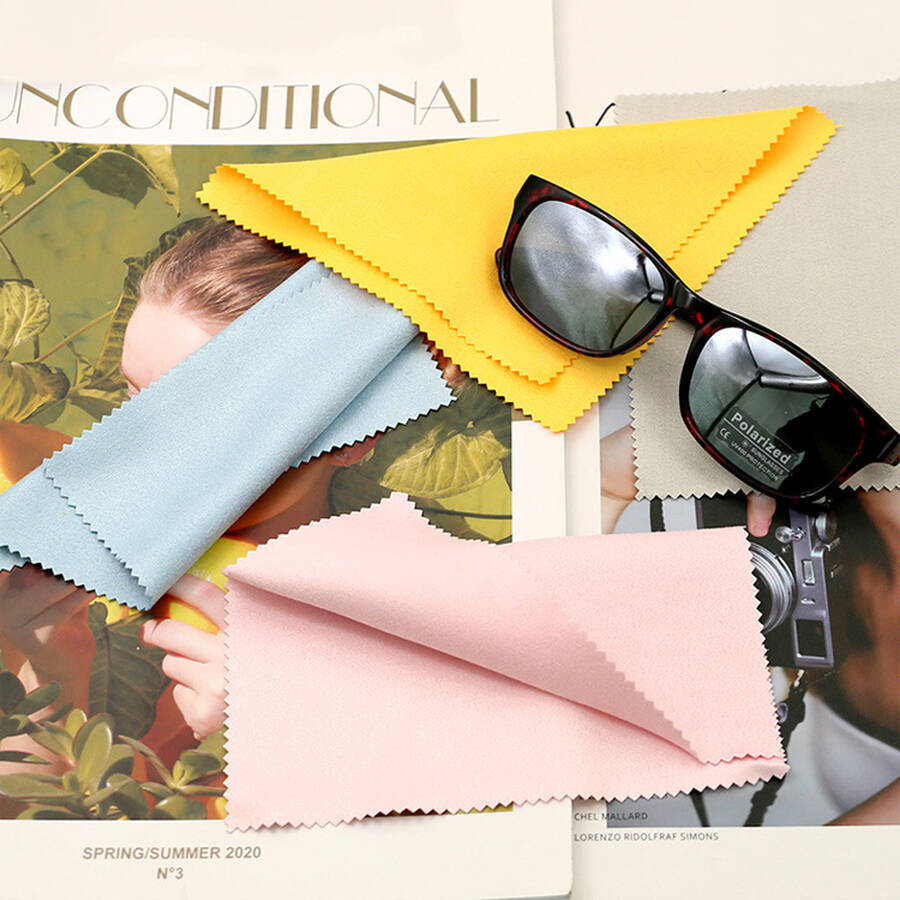
Suitable for : Screen, lens, jewelry, eyewear, glass cleaning cloth
CERTIFICATES
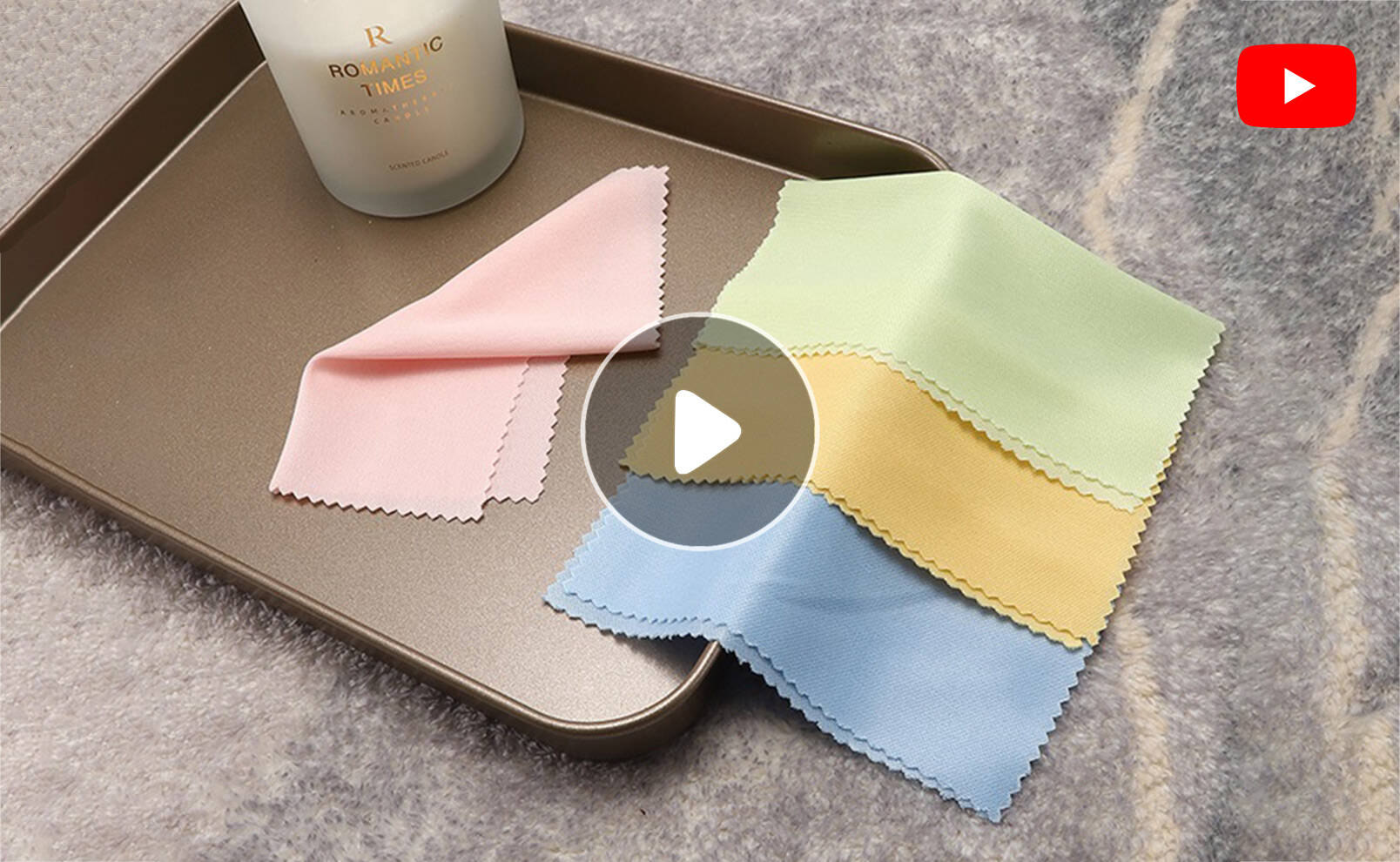
Microfiber Double-sided Fleece Custom Glasses Lens Cleaning Cloth
Eyeglass cloths — seemingly simple — carry the vital responsibility of protecting vision. They are not ordinary fabrics. They are meticulously woven from ultra‑fine fibers — each strand just 1/200th the thickness of a human hair. This allows them to gently remove dust, fingerprints, and grease — without damaging the lenses.
Advantages
Double-sided use
Resists pilling
Leaves no water marks
Thickened and enlarged

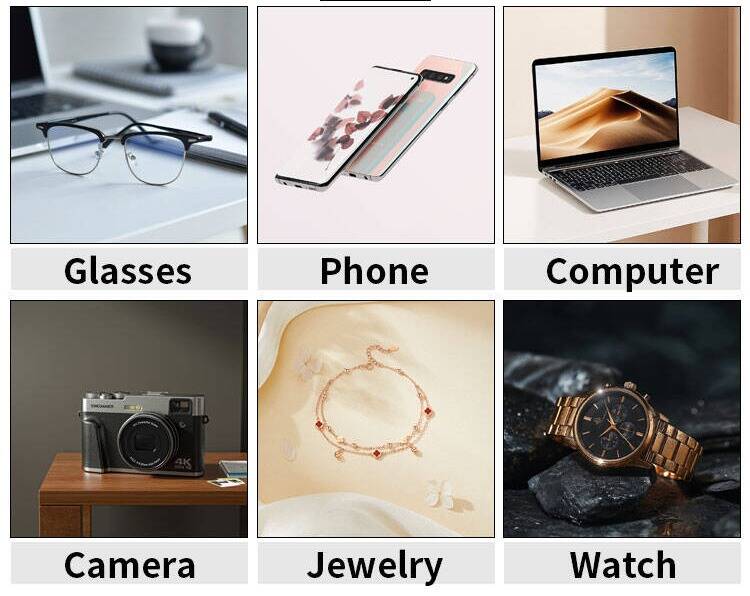
Scene Demonstration
Mobile Phone / Tablet Screens: Microfiber lens cloths are excellent tools for cleaning electronic screens. They are soft and scratch‑free. They also possess excellent oil‑absorbing properties.
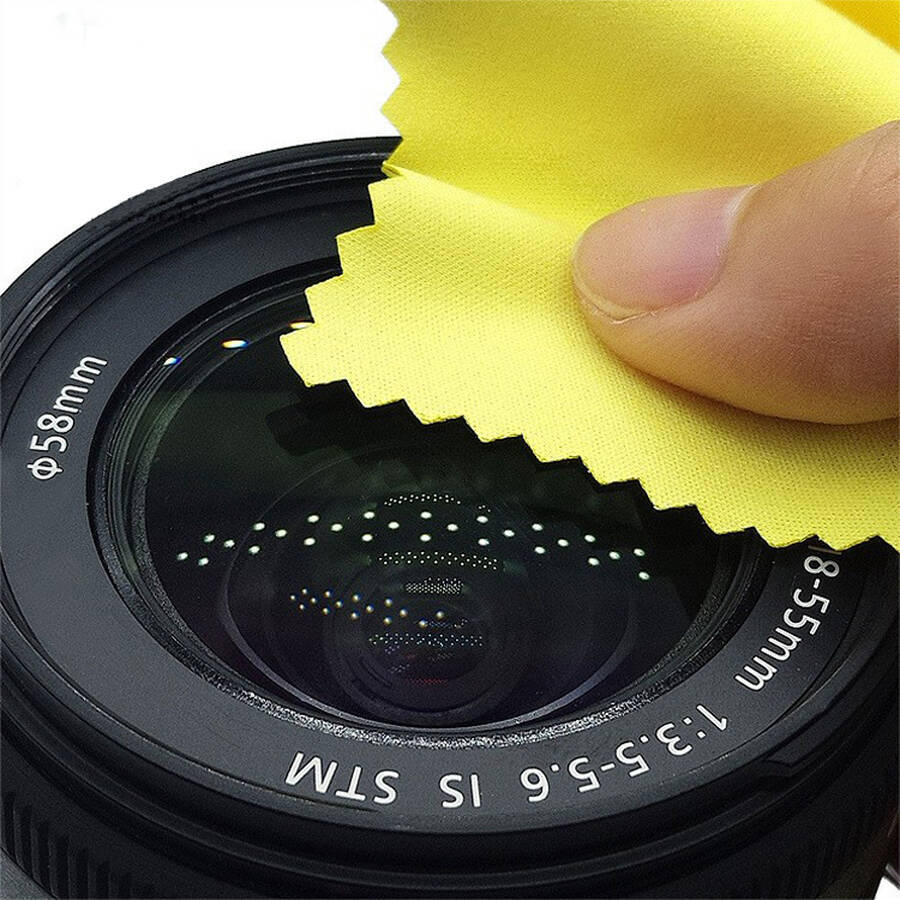
Camera Lenses: Suitable for daily cleaning. However, ensure the cloth is absolutely clean — dedicated use is recommended. For professional camera lenses, use the cloth together with a specialized cleaning solution.
Jewelry / Watches: Also effective for wiping gold and silver jewelry, as well as watch faces. This helps maintain their shine.
Note: If the cloth has been used to clean eyeglasses, it is best to avoid using it on electronics. This prevents cross‑contamination.
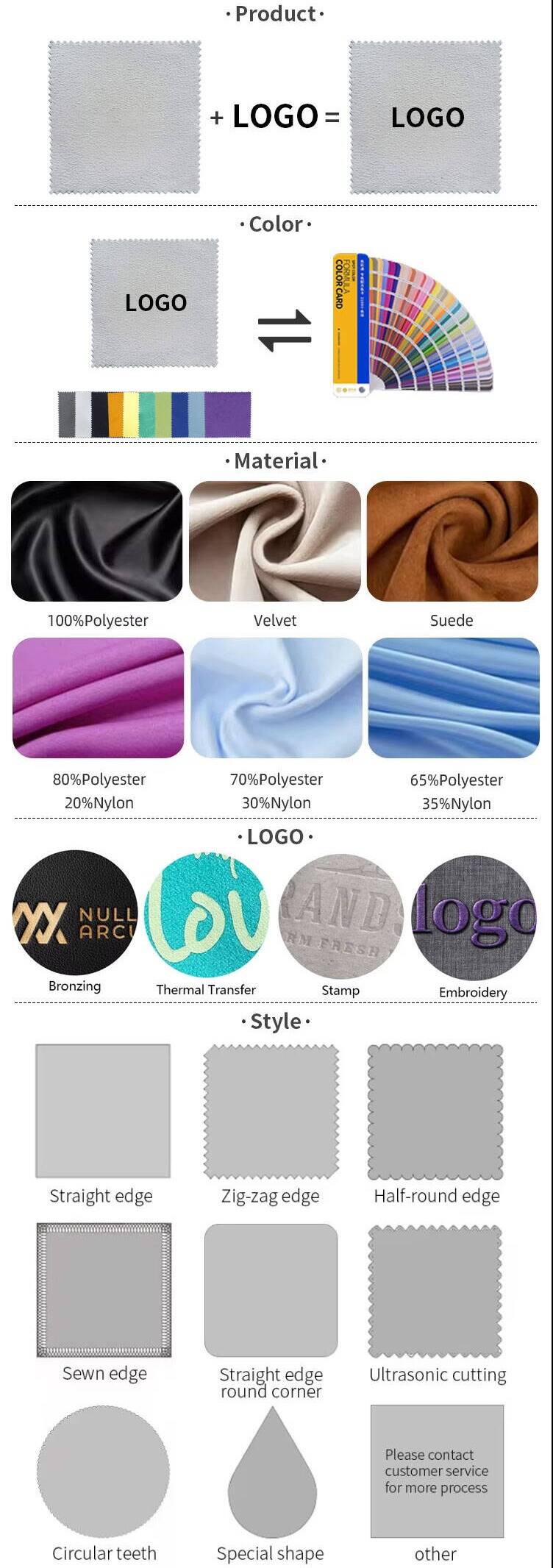
Custom Services
A Fresh Choice for Corporate Gifts
Customizable eyeglass cloths feature your brand logo, tagline, or event details. They are a thoughtful, compact token — packed with sincerity.
FAQ
Q1: What material are eyeglass cleaning cloths made of? Why shouldn’t ordinary fabrics be used?
A1: Professional eyeglass cloths are typically made of microfiber. Its fiber fineness is only 1/200th the thickness of a human hair — or even finer. These ultra‑fine fibers penetrate microscopic gaps on the lens surface to absorb dust and grease. At the same time, they remain soft and will not scratch lenses.
Why not use ordinary fabrics:
-
Tissue paper / cloth edges: Rough surfaces containing hard particles can leave microscopic scratches on lenses — impairing clarity.
-
Regular cotton cloth: Coarser fibers may leave lint residue — resulting in poor cleaning effectiveness.
Q2: Can eyeglass cloths be washed? How should they be washed?
A2: Yes — they can and should be washed regularly. Dirty cloths trap dust particles, turning them into tools that scratch lenses.
Proper washing method:
-
Hand wash: Use clean water or a small amount of neutral detergent — gently rubbing the cloth.
-
Water temperature: Use cold or lukewarm water — below 30°C. Avoid hot water, which damages fibers.
-
Rinse: Thoroughly remove all detergent residue.
-
Dry: Air‑dry in the shade. Do not expose to direct sunlight or use a dryer.
Note: Never use fabric softener. It forms a film on fibers — blocking the microfiber’s cleaning ability.
Cleaning Frequency: Recommended weekly. Increase frequency for heavy use or dusty environments.
Q3: How do I use a lens cloth correctly? Why does my lens get smudgier the more I wipe?
A3: Many people wipe incorrectly. Follow these steps:
Correct Four‑Step Lens Cleaning Method:
-
Rinse first: Rinse lenses with clean water to remove surface dust and grit — crucial. Dry wiping is like sanding lenses.
-
Dampen cloth: Lightly dampen the cloth — or lather with dish soap. Wet wiping cleans better and prevents scratches.
-
Gently wipe: Use the damp cloth to wipe in one direction only. Avoid circular motions — to prevent re‑depositing dirt.
-
Air dry: Let them air dry naturally — or use a clean part of the cloth to blot away moisture.
Why do they get more smudged?
-
Direct dry wiping: Dust particles on lenses act like sandpaper — creating scratches with each wipe.
-
Dirty lens cloth: Hidden particles in the cloth become the main culprits for scratches.
Q4: How often should I replace my lens cloth?
A4: Depends on usage frequency and maintenance.
Normal use: Replace every 3‑6 months.
Replace immediately if:
-
Surface becomes noticeably dirty or stiff — and remains hard even after washing.
-
Edges show wear or fraying.
-
Visible particles are embedded in fibers — and cannot be removed.
-
Lenses appear more smudged after wiping — likely due to trapped hard particles.
Daily recommendation: Use 2‑3 cloths in rotation — wash regularly to extend lifespan.
Q5: Can eyeglass cloths prevent fogging?
A5: Standard eyeglass cloths do not inherently possess anti‑fog properties.
-
Standard cloths: Clean only — no anti‑fog capability.
-
Anti‑fog cloths: Specialized anti‑fog cloths are available — pre‑treated with anti‑fog agents. Wiping creates a hydrophilic layer on lenses to prevent fogging. However, effectiveness diminishes with repeated use.
Best practice: Clean lenses with a standard cloth first — then apply anti‑fog spray or wipe with anti‑fog wipes.
Q6: Can I wash eyeglass cloths in the washing machine?
A6: Not recommended.
Reasons:
-
Vigorous agitation in machines can damage fiber structure — causing deformation and pilling.
-
Cloths may become entangled with other garments — leading to stretching and distortion.
-
Lint and particles in the machine may embed in the cloth — making it dirtier.
Correct method: Hand wash gently, rinse thoroughly, and air dry naturally — to protect fibers and ensure thorough cleaning.
Q7: Can both sides of the lens cloth be used?
A7: Yes — but with caution.
-
Daily cleaning: If the cloth is clean, either side may be used.
-
Note: If one side has been used to wipe heavily soiled lenses — wash it before using the other side. Otherwise, particles may scratch lenses.
Recommendation: Use one side for daily light wiping and the other for deep cleaning — assigning distinct functions.
Q8: How should I use the lens cloth with lens cleaning solution?
A8: The optimal sequence is:
-
Rinse first: Use clean water to remove surface dust from lenses.
-
Spray solution: Apply one drop of specialized lens cleaning solution — or diluted dish soap — to each side of the lens.
-
Wipe with cloth: Gently wipe the lens surface with a dampened lens cloth.
-
Rinse with water: Rinse off any remaining cleaning solution.
-
Blot dry: Use the dry part of the cloth to absorb any moisture.
Note: Avoid directly applying cleaning solution to the cloth and wiping dry. It is best to use a small amount of water — to reduce friction.
Feel free to inquire anytime and lock in your favorite style!