The main difference between relationship-focused gifting and large-scale handouts is not unit price. Instead, the decision depends on recipient relationships, distribution methods, brand presentation, and expected retention. A recognition program needs relevance and a controlled delivery moment. By contrast, a high-volume campaign needs fast handling, consistent branding, practical storage, and a clear reason for distribution.
For structured sourcing, corporate gifts should be compared with business giveaways through the campaign goal first. Employee recognition, key-account maintenance, trade show lead generation, and public activities create different requirements for quantity, personalization, packaging, logistics, and follow-up. Once those requirements are clear, branded merchandise becomes easier to shortlist and the quotation brief becomes more useful.
Article Navigation
Campaign Goal First: Define the Procurement Problem
A catalogue category should not lead the project. First, the campaign team should define what the item must achieve after distribution. Recognition, relationship maintenance, lead generation, participation, and brand visibility are different jobs. Although one product may support several outcomes, one primary outcome should guide the shortlist.
Next, the handover environment should shape the brief. A desk presentation during an annual meeting differs from a fast handout beside a registration counter. Likewise, an individually shipped package differs from a consolidated delivery to one exhibition venue. Distribution is not a final logistics detail; it influences product size, packaging, marking, carton planning, and storage.
At the same time, relationship strength sets expectations. A known employee, partner, speaker, or key account already has context around the organization. Therefore, the item can refer to an achievement, a shared project, or a professional milestone. A public participant may have no prior connection, so the item must communicate usefulness quickly and work without a personal explanation.
Finally, retention should enter the discussion early. A daily-use object may support repeated brand exposure for a smaller group. Meanwhile, a lightweight event item may create immediate value across a much wider audience. Neither model is automatically stronger. The correct direction depends on the campaign job, recipient context, and distribution conditions.
Employee Recognition
Define the occasion, group size, recognition message, presentation level, and internal distribution method.
Relationship Maintenance
Emphasize professional relevance, timing, restrained branding, accurate allocation, and controlled delivery.
Trade Show Leads
Cover visitor flow, qualification rules, booth storage, handout speed, portability, and follow-up tiers.
Public Activities
Focus on volume, safe handling, venue conditions, participation rules, carton allocation, and broad visibility.
Employee recognition asks a meaning question
Employee programs may support onboarding, project completion, service milestones, annual meetings, safety programs, or team events. Therefore, the occasion should be stated before product selection begins. A milestone presentation needs a stronger connection to achievement, while a company-wide wellness activity may need simple and practical distribution.
For smaller groups, individual names, dates, or role-specific messages may add meaning. However, personalization also creates data handling, spelling checks, approval stages, packing controls, and allocation work. The recognition benefit should justify that extra complexity. A standard logo and a well-written insert may work better when the group is large or the schedule is tight.
Large internal programs can sit between formal gifting and mass distribution. For example, an onboarding campaign may involve many recipients, yet the message still supports belonging. In that case, useful branded merchandise, consistent packaging, and a clear welcome card can preserve a relationship-led tone without creating an oversized or complicated box.
Key-account maintenance asks a relevance question
Professional relationship programs usually need relevance more than decoration. Therefore, the product should fit likely work patterns, travel habits, office use, or the reason for presentation. A large logo or oversized package may reduce everyday use, even when the product itself is suitable.
Timing also changes the meaning. A year-end appreciation program differs from a post-project appreciation, distributor conference, or partnership anniversary. The note, package, and delivery method should support that specific moment. Otherwise, the item can feel like general promotional stock rather than a considered professional gesture.
When relationship levels differ, a limited tier structure may help. Two or three clear groups are easier to approve and pack than many small variations. Each tier should change something meaningful, such as product direction, presentation, or delivery method. Decorative differences alone rarely justify a complicated allocation system.
Trade show lead generation asks a workflow question
Trade shows combine short conversations, high footfall, limited storage, and time pressure. As a result, product handling matters as much as product appearance. A suitable item should be easy to store, quick to pass across a counter, simple to carry, and relevant enough to remain useful after the event.
A single handout for every visitor may appear simple, yet it can weaken budget control. Instead, the event team can separate general traffic from qualified interactions. A standard item supports broad visibility, while a stronger follow-up piece supports scheduled meetings, demonstrations, or post-event contact. Clear rules protect selective stock.
The rule should remain easy for booth staff to apply. Complex scoring slows conversations and creates inconsistent distribution. A badge scan, completed demonstration, scheduled meeting, or clearly defined discussion can trigger the higher tier. Simple instructions usually work better under event pressure.
Public activities ask a reach question
Public programs often prioritize reach, participation, or simple brand recognition. Therefore, the selected item should remain easy to count, move, store, and distribute across several activity points. Packaging usually stays light unless registration, membership, or a scheduled presentation creates a stronger relationship moment.
The handout can also support an action. For example, an item may follow registration, a survey, a challenge, a completed station, or a team activity. This approach gives distribution a measurable rule and reduces uncontrolled stock loss. It also connects the merchandise with the event experience.
Outdoor conditions deserve early review. Heat, rain, dust, transport distance, age range, and venue rules can affect suitability. In addition, several entrances or activity zones may need separately labeled cartons. Simple carton planning often has more operational value than decorative individual boxes.
Corporate Gift Programs vs Business Giveaways: The Core Differences
Both project types may use notebooks, drinkware, bags, office accessories, travel items, electronics, or event merchandise. However, the surrounding decisions create the real difference. Relationship-led programs emphasize relevance, presentation, controlled allocation, and repeated use. Mass handout programs emphasize reach, speed, portability, visible branding, and consistent distribution.
The following table provides a practical comparison. Still, the categories should not become rigid rules. A large employee program may use mass-packing methods while keeping a meaningful recognition message. Likewise, a specialist exhibition may use a selective item because each interaction carries greater strategic value.
| Planning Factor | Relationship-Led Program | Mass Giveaway Program | Decision Question |
| Recipient relationship | Known employees, key accounts, partners, speakers, or selected stakeholders. | Trade show visitors, public participants, prospects, or broad event audiences. | Is the item recognizing an established relationship or starting a brief brand interaction? |
| Quantity pattern | Smaller, segmented, or tiered quantities with named allocation. | Larger campaign quantities with standardized stock and reserve planning. | Does each unit need an assigned recipient, or does stock move by location and volume? |
| Personalization | Names, dates, departments, messages, or tier-specific designs may add meaning. | Standardized artwork usually protects speed, consistency, and stock control. | Does personalization support recognition, or does it only add decorative complexity? |
| Packaging level | Gift box, sleeve, card, insert, bag, or coordinated presentation. | Bulk pack, simple individual wrap, inner packs, or distribution-ready cartons. | Must the package create a presentation moment, or support fast handout? |
| Distribution | Desk presentation, meeting delivery, planned mailing, or individual shipment. | Booth counter, registration desk, activity station, street team, or public queue. | What happens during the final five meters before the item changes hands? |
| Expected use period | Often selected for repeated use and a longer relationship reminder. | May support immediate participation, short-term utility, or repeated use at scale. | Is long retention essential, or is immediate campaign action more important? |
| Brand presentation | Usually restrained, professional, and sensitive to everyday use. | Usually clear, visible, and easy to recognize during a short interaction. | Should branding feel discreet during use or highly visible during the event? |
| Operational priority | Relevance, presentation quality, allocation accuracy, and delivery control. | Transport efficiency, storage, replenishment, counting, and handout consistency. | Which failure would damage the campaign most: weak meaning or poor distribution? |
Recipient relationship changes the meaning
A known recipient already understands the organization, project, or occasion. Therefore, the product can carry a more specific message. A milestone date, project reference, or short appreciation note may create more value than a larger logo. Context makes the object feel connected to a real professional moment.
A public participant may have only seconds of interaction. In that setting, the item should communicate quickly through practical use, recognizable branding, or event relevance. It should not require a long story to justify its purpose. Clear value at the point of handout improves the chance of retention.
Quantity scale changes customization choices
Smaller segmented projects may support different colors, notes, names, or presentation levels. However, every variation adds artwork, approval, checking, packing, and allocation work. The planning team should confirm that each variation changes the recipient experience in a useful way. Otherwise, standardization may protect quality more effectively.
Higher-volume programs usually benefit from one approved design and one clear packing method. Standardization makes counting, carton labeling, replenishment, and regional distribution easier. Even so, scale should not remove audience fit. A standardized product still needs to suit the event, climate, travel conditions, and expected use.
Personalization should serve recognition
Names, departments, dates, and individual messages can strengthen milestone programs. Nevertheless, personalization adds data responsibility. Accurate lists, spelling checks, approval deadlines, and pack allocation become essential. A single error can damage the recognition moment more than a standard design would.
For that reason, personalization should have a clear role. A name may suit an award or senior presentation. A campaign message may suit a group program. Meanwhile, standard logo branding may be enough for onboarding, conferences, or event merchandise. The final choice should follow the occasion and operational capacity.
Packaging should match the delivery moment
Relationship programs may need a box, sleeve, insert, card, or bag because the opening sequence supports recognition. Still, each layer should serve a clear purpose. Packaging can protect the item, explain the occasion, organize several components, or create a formal presentation. Unnecessary layers add shipment volume without adding meaning.
Mass handouts usually need simpler access. Bulk packs, individual wraps, and labeled inner cartons can improve booth or event workflow. Low-complexity packing does not need to look careless. Neat presentation, consistent protection, and clear carton information can still support a professional campaign.
Retention should follow the campaign objective
Long-term use can support repeated brand visibility, yet retention depends on relevance, quality perception, practical value, and design restraint. A useful object may remain in service for months. By contrast, a mismatched item may disappear quickly even when it has a higher unit value.
Short-term use can still create strong campaign value. An event item may support registration, participation, comfort, or a shared visual moment. In that case, immediate function matters more than long ownership. The campaign should measure success against its intended action rather than one universal retention standard.
Four Campaign Scenarios and Their Best-Fit Direction
The same organization may run all four program types during one year. Therefore, a fixed product rule is rarely useful. Each scenario needs a distinct decision frame based on relationship strength, quantity, delivery method, expected use, and event workflow. Boundary cases matter because many projects combine relationship depth with large-scale distribution.
A practical rule helps maintain focus. Use a relationship-led format when the reason, recipient, and delivery moment carry meaning. Use a mass handout format when reach, speed, stock control, and participation carry more weight. Combine both formats only when each tier has a clear audience and handover condition.
Best for Depth
Known Recipient + Meaningful Occasion + Controlled Delivery
This pattern usually supports employee recognition, key-account maintenance, speaker appreciation, leadership programs, or selected professional meetings.
Best for Reach
Broad Audience + Fast Handout + Clear Brand Recognition
This pattern usually supports exhibition traffic, public activities, registration programs, awareness campaigns, roadshows, or community events.
1. Employees: recognition first, scale second
Employee recognition usually benefits from a relationship-led approach because the item connects with contribution, belonging, or a shared milestone. Service anniversaries, project completions, annual awards, and leadership programs often need a clear reason and an appropriate presentation moment. A short message can explain the connection more effectively than heavy branding.
For a smaller milestone group, individual names or dates may support recognition. However, accurate data and allocation controls become essential. A simple list should connect each recipient with the correct item, package, and destination. The packing method should also reduce the chance of names or tiers being mixed.
Company-wide events create a different balance. A standardized product may be more practical when the group is large, yet the campaign can still feel considered through coordinated colors, useful items, and a well-written card. The message keeps the relationship focus, while standardized production protects consistency.
Onboarding is a common boundary case. The quantity may resemble a mass campaign, but the purpose still supports belonging and readiness. Therefore, a useful notebook, drinkware item, office accessory, or compact work kit can fit better than a decorative object. Simple packaging can keep the program organized without creating unnecessary shipment volume.
Best fit: service milestones, onboarding, project recognition, annual meetings, leadership programs, and team achievements. Less suitable: campaigns where the same item must move quickly across an open public audience with no allocation control.
2. Key accounts and partners: relevance before display
Key-account and partner programs usually need professional relevance and controlled delivery. Therefore, a useful item with restrained branding often fits better than a loud event handout. The product should make sense in the recipient’s work, travel, meeting, or office environment. Presentation can support the gesture without becoming the only source of value.
The reason for presentation should remain visible. A partnership anniversary, completed project, distributor meeting, or year-end program can guide the note and package. Timing matters because the same item can feel thoughtful when connected to a specific occasion and routine when sent without context.
Branding also needs restraint. Oversized marks may reduce daily use, especially on professional or personal accessories. A smaller imprint, engraving, package mark, or insert can keep the organization visible while preserving product appeal. The final method depends on the surface, artwork, quantity, and intended tone.
A large partner conference creates a useful boundary case. The quantity may resemble an event program, while the relationship remains established. A standardized item with polished packaging can balance scale and recognition. Selected speakers or strategic meetings may then receive a separate follow-up item under a controlled tier.
Best fit: partnership milestones, distributor programs, executive meetings, speaker appreciation, and selected account events. Less suitable: open booth distribution where products cannot be linked to a defined interaction or recipient group.
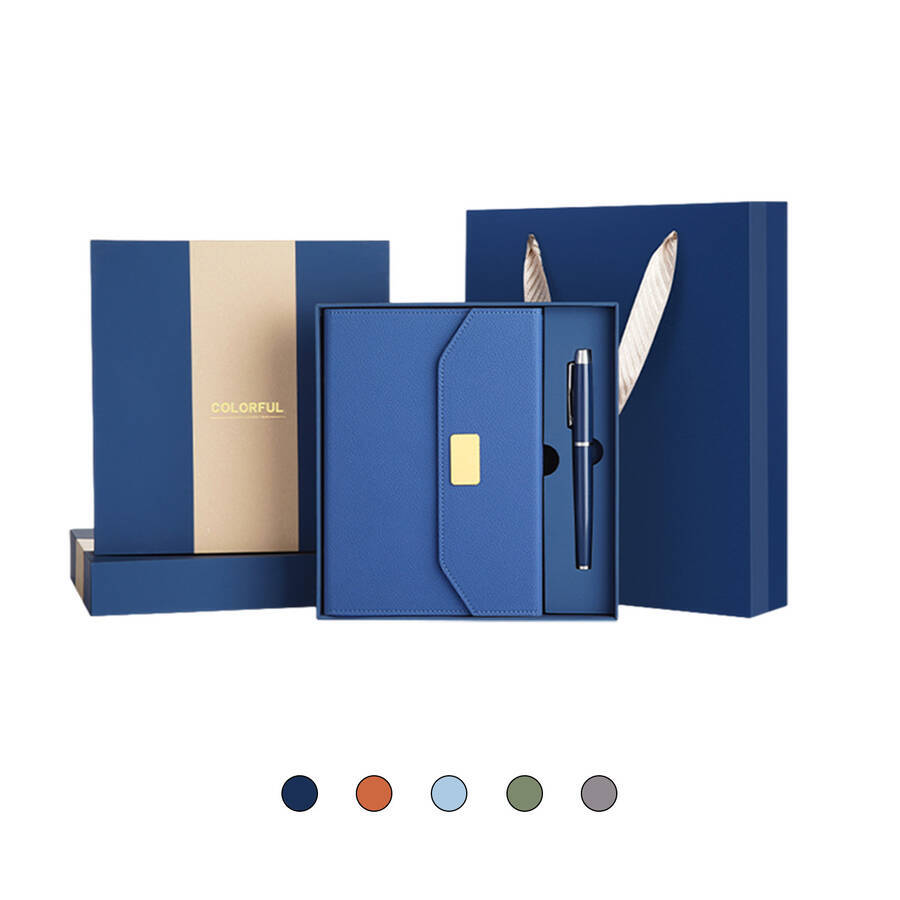
3. Trade show visitors: workflow before perceived value
Trade show visitors usually need compact, practical, and easy-to-carry merchandise. They may already hold brochures, samples, laptops, badges, and travel bags. Therefore, a bulky package can become inconvenient even when it looks impressive on the booth counter. Portability often has more value than size.
A two-level distribution plan can connect merchandise with lead quality. General visitors receive the standard item, while qualified contacts receive a stronger follow-up piece after a meeting, demonstration, or scheduled action. This structure protects selective stock and gives the post-event team a clearer reason for continued contact.
The rule must remain simple enough for booth staff to apply during busy periods. Complex scoring can slow conversations and create inconsistent handouts. A badge scan, completed demonstration, meeting booking, or defined discussion may trigger the higher tier. Staff instructions should fit on one short page.
A small specialist exhibition creates another boundary case. Visitor numbers may be limited, while each conversation carries greater potential value. In that setting, a relationship-led item may suit more attendees. Even then, the merchandise should remain portable, and the distribution rule should stay controlled.
Best fit: compact daily-use items, identification accessories, lightweight bags, portable event tools, or follow-up merchandise. Less suitable: fragile, heavy, or oversized items that create booth storage and travel problems.
4. Public event participants: reach with operational control
Public events usually favor a mass handout format because volume and speed matter. The selected item should support quick access, safe storage, and easy recognition. Simple packaging often works best when staff distribute merchandise at entrances, activity zones, registration points, or mobile stations.
Distribution can connect with participation rather than remain open-ended. An item may follow registration, a completed challenge, a survey, or a team activity. This rule improves stock control and gives the merchandise a clear role. It also helps the event team compare distribution with engagement.
Weather, venue rules, age range, and movement patterns should enter the brief early. Outdoor events may need products and cartons that tolerate frequent handling. Several distribution points may also require inner packs labeled by location, quantity, or time slot. These practical details protect the campaign during setup.
A public program may still include members, speakers, donors, or invited partners with an established relationship. In that case, a separate recognition tier may be appropriate. The main audience receives the standard item, while the selected group receives a distinct package or follow-up direction.
Best fit: registration merchandise, activity-linked items, lightweight bags, practical outdoor products, and visible event accessories. Less suitable: products that require careful explanation, individual allocation, or slow presentation.
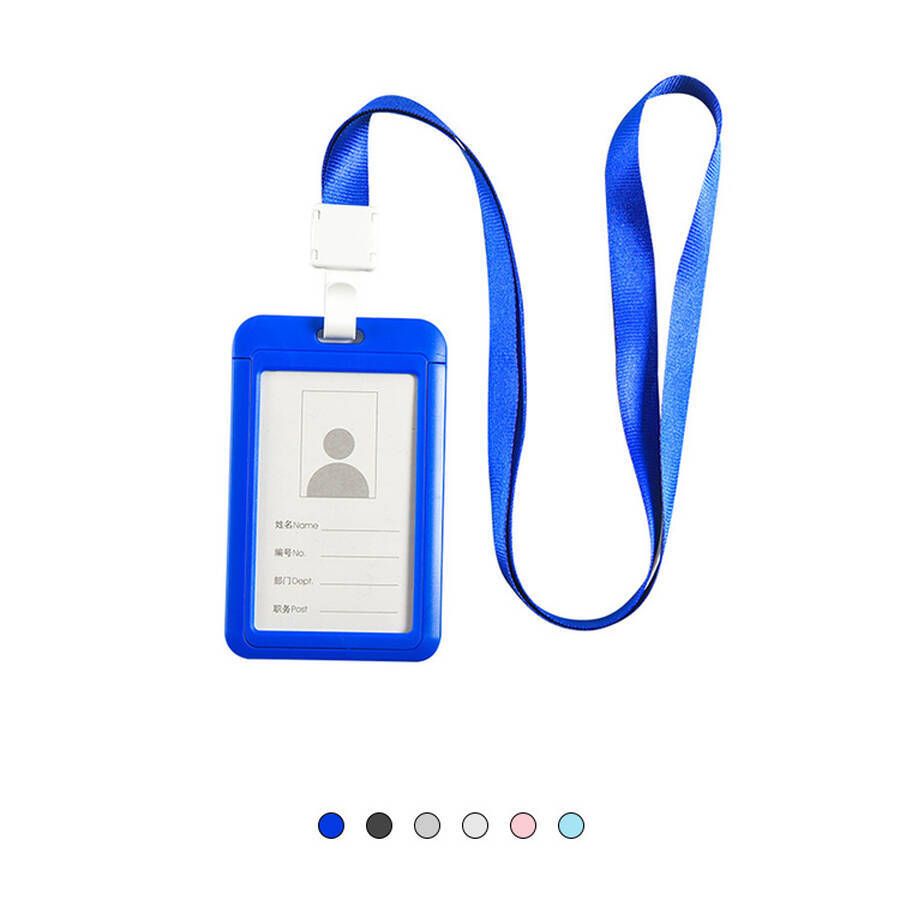
When one campaign needs both directions
Many programs do not fit one category. A conference may need standard merchandise for all attendees and a stronger package for speakers. A trade show may need booth handouts plus a post-event meeting item. An internal event may need one company-wide item and a separate milestone presentation.
In mixed programs, audience segmentation comes first. The team should define groups by relationship, action, or campaign stage. Next, each group receives a clear distribution rule. This approach prevents the higher tier from becoming an unplanned general handout.
Visual consistency can connect the tiers. Shared colors, logo treatment, or campaign wording may appear across different products. Meanwhile, the selective package can add a sleeve, card, box, or coordinated item. Consistency keeps the campaign recognizable without forcing identical merchandise.
Inventory controls should separate each tier physically. Different carton labels, pack quantities, storage zones, or distribution tables reduce mistakes. In addition, staff need a simple guide that works under time pressure. A mixed campaign succeeds when the distinction remains clear from quotation through final handover.
Budget and Quantity Implications
Budget planning should begin with audience allocation rather than unit price. First, the team should define how many recipients belong in each campaign group. Then, the project can assign product, packaging, and logistics resources according to purpose. This prevents a relationship-focused item from becoming an uncontrolled general handout.
A complete budget view also includes artwork preparation, customization, sampling, packaging, inserts, cartons, transport, destination handling, and local distribution. Exact terms depend on the product, quantity, customization, packaging, and destination. Therefore, comparing product price alone can hide operational differences that later affect the project.
| Budget Area | Relationship-Led Effect | Mass-Distribution Effect |
| Product allocation | Budget follows named groups, recipient tiers, and presentation importance. | Budget follows expected reach, stock reserve, event days, and distribution points. |
| Artwork and personalization | Names, dates, messages, or multiple versions may add approval and checking work. | One standardized design usually supports faster proofing and more consistent output. |
| Packaging | Presentation packaging can improve context but may increase assembly and shipment volume. | Bulk packing and inner packs can support counting, storage, and fast replenishment. |
| Freight and handling | Individual shipment or multiple destinations may require stronger protection and data control. | High volume can increase carton count, venue storage, local transfer, and setup pressure. |
| Leftover risk | Personalized or tier-specific stock may be harder to reallocate. | Over-ordering can create storage and disposal problems after the campaign. |
Budget starts with allocation
A useful allocation plan separates the broad audience from selected relationship groups. For example, a conference may include attendees, speakers, partners, staff, and scheduled meeting participants. Each group may need a different distribution rule. Once the groups are clear, the budget can support purpose instead of averaging one product value across everyone.
The broad tier can support reach, while the selective tier supports depth. However, both tiers should share a visual campaign system. Coordinated colors, logo treatment, or messaging can connect the program without forcing identical products. This approach keeps the campaign coherent and the inventory manageable.
Quantity changes more than production scale
Higher quantities can make standardization more valuable, yet they also increase transport, storage, and distribution pressure. A compact item may reduce carton space and simplify booth setup. A bulky item may create operational problems before anyone receives it. Therefore, approximate packed size should enter the shortlist early.
Smaller quantities can support closer segmentation, but repeated small orders may duplicate artwork, packing, and shipment work. A coordinated order may simplify quality control when schedules and destinations align. On the other hand, separate regional programs may need different packing and delivery plans even when the product remains the same.
Forecast accuracy also matters. Under-ordering creates inconsistent distribution, while over-ordering creates leftovers. The quantity plan should consider display samples, event staff, late additions, replacement stock, and a reasonable reserve. That reserve should reflect the campaign model rather than follow one fixed percentage.
Packaging can change the total project structure
Presentation packaging adds material, printing, assembly, and shipment volume. Nevertheless, it may be essential when the opening experience carries the recognition message. A box, sleeve, card, or insert can explain why the item matters. The team should decide whether packaging must protect, present, inform, organize, or ship individually.
Mass programs often gain more value from efficient inner packs and clear carton labels. For example, cartons may be divided by booth day, entrance, activity zone, office, or city. This structure reduces setup time and counting errors. Simple packaging can still look professional when the packing is neat and consistent.
Logistics should influence selection before approval
Freight should not appear only after the product is confirmed. Instead, approximate weight, dimensions, carton quantity, destination count, and local receiving conditions should shape the shortlist. A product may look suitable until shipment volume or venue storage becomes clear.
Individual distribution creates a different model from consolidated delivery. One central office may receive export cartons and handle local allocation. Several offices may need cartons separated by destination. Direct shipment to recipients may require individual protective packs, address files, labels, and stricter data checking.
Required arrival dates should also differ from event dates. Internal checking, customs clearance, local delivery, redistribution, and setup all need time. Therefore, the quote brief should state when the merchandise must reach the destination, not only when the event begins. A practical buffer protects more product and transport options.
Common Selection Mistakes
Most campaign problems do not begin with a completely unsuitable product. Instead, they begin when the product, audience, packaging, and distribution model do not match. The following mistakes can weaken a project even when the merchandise looks acceptable in a catalogue.
A practical review should happen before artwork approval. At that stage, the team can still change the product direction, simplify packaging, adjust tiers, or improve the handout rule. Late changes become harder once production, labeling, and shipping plans are fixed.
Mistake 01
High-value items enter uncontrolled distribution
Open access can empty selective stock before priority meetings or qualified interactions occur.
Mistake 02
Generic handouts represent important relationships
Weak relevance, loud branding, or rushed presentation can make a professional gesture feel routine.
Mistake 03
Packaging waits until the final stage
Late decisions can create size conflicts, higher shipment volume, and inefficient event handling.
Mistake 04
The final handover environment is ignored
Booth space, queues, storage, weather, and staff movement may rule out otherwise attractive items.
Mistake 05
Every recipient becomes one audience
Employees, speakers, partners, visitors, and public participants often need different distribution rules.
Mistake 06
The catalogue leads the strategy
Popular items can distract from the audience, event setting, retention goal, and logistics plan.
Pre-Approval Review
- Control selective stock: connect higher-value items with a meeting, milestone, qualification step, or named group.
- Match relationship depth: avoid using a generic event handout for a meaningful professional presentation.
- Approve packaging early: confirm protection, presentation, carton volume, and opening speed before production.
- Test the final handover: review booth space, queues, staff movement, storage, weather, and refill frequency.
- Limit audience tiers: create a separate tier only when product, message, packaging, or distribution truly changes.
- Simplify artwork and labels: keep the product mark readable and place extra campaign information on packaging or inserts.
Related Planning Guide
For wider event planning, the KMSUPERB guide on promotional products for corporate events covers event fit, customization, packaging, quantity, and quote preparation.
That guide supports event item selection. This article remains focused on the earlier decision between relationship-led gifting and large-scale handouts.
Quote Brief: Information Needed Before Product Matching
A useful quote brief gives the sourcing team enough context to recommend realistic directions. Therefore, the brief should describe the campaign before listing product preferences. The recipient group, distribution environment, quantity, and arrival date may remove unsuitable categories before artwork or packaging work begins.
The brief can remain concise, yet each field should be specific. “Conference merchandise for 2,000 attendees, delivered in inner packs to one venue” provides more direction than “event gifts.” Likewise, “service-recognition presentation for three employee groups” provides more value than “staff items.”
Complete Project Input
Quote-Brief Checklist
- Target audience: employees, key accounts, partners, speakers, trade show visitors, members, or public participants.
- Quantity: total quantity, quantity by group, expected reserve, and number of distribution points.
- Target use or event: recognition, onboarding, meeting, exhibition, conference, launch, public activity, or seasonal program.
- Campaign objective: appreciation, retention, lead generation, participation, visibility, or repeated use.
- Budget level: one overall range or separate internal tiers for different audience groups.
- Logo file: clear vector artwork where available, brand colors, and any simplified logo version.
- Packaging: bulk pack, individual wrap, sleeve, box, insert, bag, inner pack, or carton label.
- Distribution method: hand delivery, booth counter, registration desk, central office, multiple offices, or individual shipment.
- Destination: country, city, address type, delivery-point count, and venue receiving restrictions.
- Required arrival date: the date merchandise must reach the destination before checking, redistribution, or setup.
State the relationship, group quantities, reserve, and whether recipients are named or openly distributed.
Send the logo file and explain whether the pack must protect, present, inform, segment, or ship individually.
Include country, delivery-point count, receiving limits, and the required arrival date before setup.
FAQ
Are relationship gifts and business giveaways the same thing?
No. Relationship-led gifts usually support recognition, appreciation, retention, or an established professional connection. Business giveaways usually support reach, participation, event traffic, or broad brand visibility. However, one campaign may use both formats when each audience tier has a clear purpose and distribution rule.
Which option fits employees, key accounts, trade show visitors, and public events?
Employees and key accounts often need stronger relevance, controlled allocation, and more considered presentation. Trade show visitors and public participants usually need compact merchandise, quick handout, visible branding, and simple stock control. Large employee programs and specialist exhibitions may combine features from both directions.
How should packaging change between relationship gifts and mass giveaways?
Relationship programs may use boxes, sleeves, cards, inserts, or bags when the opening experience supports recognition. Mass programs usually benefit from bulk packs, simple individual wraps, inner packs, and clear carton labels. Every format should still protect the product and support the final distribution method.
Can one campaign use both formats?
Yes. A conference may use one standard item for all attendees and a more selective package for speakers or scheduled meetings. A trade show may use booth merchandise for general visitors and a follow-up item for qualified contacts. The two tiers should share a visual campaign system while keeping separate allocation rules.
What information should be prepared before requesting a quote?
Prepare the target audience, quantity, target use or event, campaign objective, budget level, logo file, packaging requirement, distribution method, destination, and required arrival date. Group quantities, delivery-point count, venue restrictions, and carton-label needs can also improve product matching.
Final Decision: Match the Format to the Campaign Job
The strongest sourcing decision starts with purpose rather than product popularity. A relationship-led program should connect the item with a known recipient, meaningful occasion, controlled delivery, and suitable presentation. A mass handout program should connect the item with event flow, broad reach, easy handling, practical storage, and a clear participation or visibility goal.
In addition, mixed campaigns should not blend both directions without rules. Each tier needs a defined audience, quantity, package, and handover condition. Shared colors or messaging can keep the campaign coherent, while separate carton labels and allocation sheets protect operations.
- Define one primary outcome: choose recognition, relationship maintenance, lead generation, participation, or broad visibility before reviewing products.
- Map the final distribution moment: confirm where stock is stored, who hands it over, what triggers distribution, and how cartons are replenished.
- Prepare a complete brief: include quantity, logo file, target use or event, packaging, destination, and required arrival date.
KMSUPERB Project Review
Choose the Right Direction Before Quotation
Submit the campaign goal, target audience, quantity, budget level, logo file, packaging requirement, destination, and required arrival date. KMSUPERB can then review whether corporate gifts or mass-distribution merchandise better fits the project.
Contact KMSUPERB for a Project Quote