The film camera vs disposable camera decision often appears during wedding planning, brand activations, conferences, launch parties, and promotional gift programs. Both options create a real analog feel. However, they serve different event goals. Reusable cameras suit long-term photography use, workshops, creative teams, and controlled shoots. Disposable cameras work better when many guests need a simple point-and-shoot item placed on tables, packed in welcome bags, or distributed as branded event merchandise.
In practical sourcing, the key question is not which camera is more “professional.” Instead, the decision should follow the event format. For a bulk program, the right film camera direction should match the guest flow, lighting condition, logo artwork, packaging plan, and delivery schedule.
Quick Navigation Key Differences Event Fit Customization Bulk Buying KMSUPERB Solution FAQ
What Is the Difference Between Film Cameras and Disposable Cameras?
First, a reusable film camera is made for repeated use. It can accept new film rolls, and some models offer more control over focus, lens quality, exposure, and flash. Therefore, it fits photography clubs, creative workshops, brand content teams, and long-term analog projects.
Meanwhile, a disposable camera is usually prepared for one event cycle. It arrives as a simple point-and-shoot item, often with film already loaded and flash available on selected models. As a result, it works well when many people need the same easy photo experience without technical guidance.
In event planning, that difference matters. A reusable camera acts like equipment. A disposable camera acts like an event object, table favor, campaign prop, or branded keepsake. In other words, one supports long-term photography, while the other supports easy participation.
| Comparison Point | Reusable Film Camera | Disposable Camera |
| Main use | Long-term shooting, workshops, controlled creative use. | Event sharing, wedding tables, branded giveaways, guest interaction. |
| Operation | Needs film loading, storage, tracking, and return management. | Simple to place, hand out, collect, and process after the event. |
| Best event scale | Better for small groups or assigned users. | Better for broad distribution across tables, booths, or welcome kits. |
| Branding | Possible, although decoration can be more limited. | Suitable for stickers, covers, screen printing, sleeves, and paper boxes. |
Which Option Works Better for Events?
For many event settings, disposable cameras are the more practical option. They reduce setup work, create a shared activity, and make candid photography feel natural. In addition, each unit can carry the event theme through a printed cover, sticker, sleeve, or package.
For weddings, disposable cameras can sit on reception tables, beside guest books, near lounge areas, or inside welcome bags. They encourage candid photos from guests who may notice small moments a main photographer cannot cover. Moreover, wedding disposable cameras can match the invitation style, floral palette, or table design.
For corporate events, disposable cameras can support relaxed documentation. Attendees may capture booth visits, group dinners, product displays, or team moments. Likewise, brand teams can use developed scans for event recaps, internal newsletters, social posts, or campaign memory walls.
Recommended Selection Path
- Choose reusable cameras when the same equipment will stay with a trained team or creative group.
- Choose disposable cameras when many guests need an easy camera with a consistent look and simple collection process.
- Choose custom packaging when the camera is part of a welcome kit, wedding favor, product launch box, or sponsor package.
Customization and Packaging Differences
Customization is where disposable cameras become especially useful for events. The camera surface, sleeve, sticker cover, and box can all support the event identity. Therefore, the product becomes more than a photo tool. It becomes part of the visual experience.
Sticker covers work well for event artwork, wedding initials, seasonal designs, table themes, and campaign graphics. Meanwhile, screen printing can suit simple logos or short text. For more complete presentation, paper boxes and printed sleeves help the camera feel ready for gifting.
Packaging should follow the distribution plan. Table placement needs a clean display look. Welcome bags need compact protection. Multi-city event kits need clearer carton labeling and packing structure. Consequently, packaging choices should be confirmed before artwork approval.
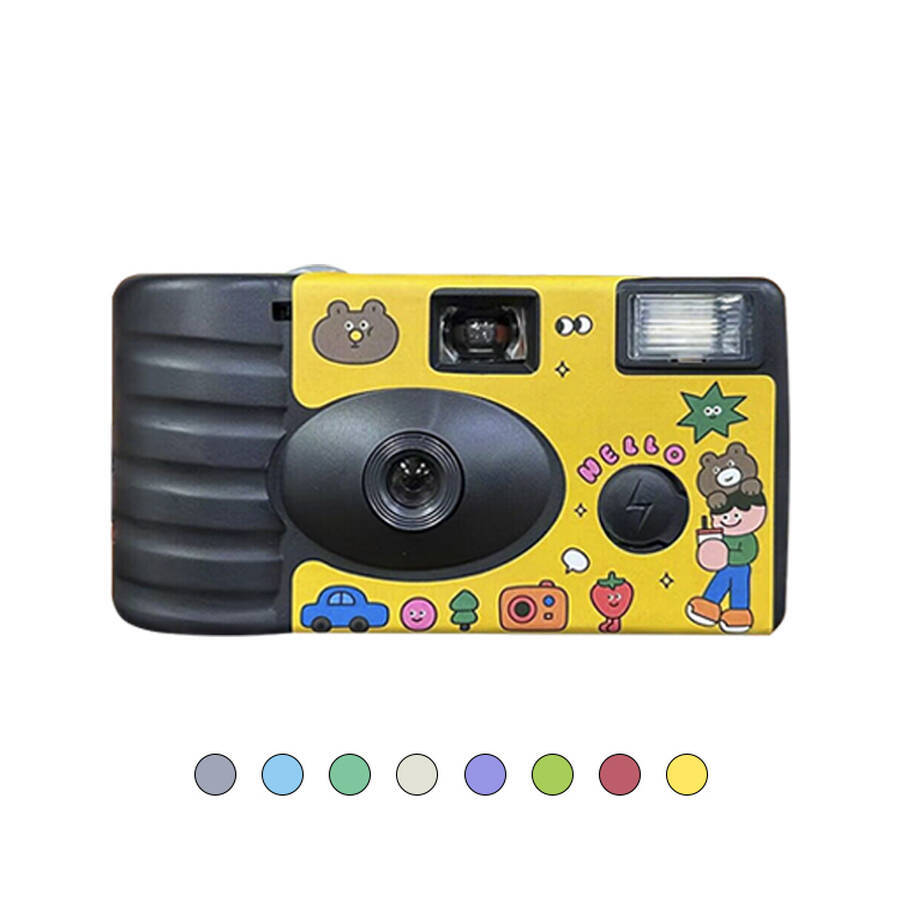 |
Custom Wrapped Disposable Camera for Event ThemesThis style suits wedding tables, welcome kits, party gifts, graduation events, and branded participation campaigns. The product page supports style selection, film amount, sticker decoration, screen printing, inner paper box, and outer paper box discussion based on order requirements. View Product Details |
What Can Be Customized?
- Camera cover: logo sticker, full wrap, theme pattern, date, or campaign line.
- Printing method: stickers, screen printing, UV print, or sleeve design depending on artwork.
- Packaging: individual paper box, inner box, outer box, belly band, or event-ready packing.
- Instruction card: short flash reminder, return point, photo count, or event message.
- Visual direction: wedding style, corporate identity, launch campaign, festival theme, or sponsor branding.
Bulk Buying Considerations
Bulk camera sourcing needs more than a unit count. First, the event format should guide the quantity. A wedding may need one camera per table, plus extras for the bar, lounge, guest book area, and dance floor. A product launch may need units by booth, PR kit, sponsor zone, or daily attendance estimate.
Second, lighting affects the camera choice. Indoor banquets, evening receptions, and low-light brand spaces usually need flash planning. For a general external reference, Kodak Alaris describes single-use cameras as preloaded film cameras with built-in flash options on its single-use camera guide. This supports the practical point that film amount and flash should be checked before event use.
Third, artwork should be prepared early. Vector logos, approved colors, event names, dates, and package copy help reduce revision time. In addition, the design must leave the lens, flash, viewfinder, winding wheel, and shutter area clear.
| Planning Item | What to Confirm Before Quoting |
| Quantity | Tables, activity zones, welcome bags, backup units, and multi-location needs. |
| Camera style | Flash or no flash, film count, camera color, and event usage environment. |
| Artwork | Logo file, event name, approved colors, slogan, date, and design reference. |
| Packaging | Sticker cover, sleeve, paper box, instruction card, carton labeling, and gift kit format. |
| Schedule | Artwork approval date, production window, destination country, and required arrival date. |
When to Choose KMSUPERB Disposable Cameras
KMSUPERB is a practical sourcing partner when the camera needs to connect with a broader promotional product plan. A disposable event camera may sit inside a welcome kit, wedding gift set, corporate event pack, sponsor box, or retail launch package. In those cases, product selection, logo decoration, and packaging should move together.
Through KMSUPERB, event teams can review camera items alongside broader promotional categories. For bundled programs, corporate gift sets can also support a more complete presentation.
The best direction depends on quantity, decoration method, packaging requirement, destination, and delivery schedule. Therefore, the project brief should describe how the camera will be placed, handed out, collected, and presented.
Suitable for These Projects
- Wedding receptions, rehearsal dinners, welcome parties, and table favor programs.
- Corporate events, team retreats, trade shows, conferences, and anniversary parties.
- Brand activations, retail pop-ups, product launches, sponsor kits, and festival campaigns.
- Gift distributors building seasonal event catalogs with branded camera packaging.
Which Page Should Be Visited Next?
After the comparison stage, the next page should match the project intent. For camera-only programs, the Single Use Camera category is the main place to compare event camera styles. For bundled gifting, the gift set category can help combine cameras with other promotional items. For quote preparation, the contact page is the fastest path.
- Camera selection: review the Single Use Camera category for available disposable camera styles.
- Gift package planning: review gift set options when cameras need to be packed with other event items.
- Quote request: prepare quantity, logo file, target event, packaging requirement, delivery schedule, and destination.
Related Reading and Sourcing Resources
For a smoother event gift plan, camera selection should connect with decoration, packaging, and quote preparation. The following resource supports artwork and printing decisions before production starts.
Printing Process and Customization Reference
This resource is useful when comparing screen printing, full-color artwork, logo preparation, and proofing details for custom promotional products.
Read KMSUPERB Printing ProcessFAQ
Are disposable cameras better than reusable film cameras for weddings?
For most wedding receptions, disposable cameras are easier to place on tables, pack into welcome bags, and collect after the event. Reusable cameras still work for assigned friends, staff, or creative shoots, but they need more tracking and return control.
Can disposable cameras be customized for brand events?
Yes. Common options include logo stickers, printed covers, screen printing, paper sleeves, paper boxes, and instruction cards. The final method depends on artwork detail, order quantity, packaging style, and delivery schedule.
Do event cameras need flash?
Flash is strongly useful for indoor receptions, evening parties, banquet halls, and low-light brand spaces. Outdoor daytime events may not need flash as much, although shaded areas and evening sessions should still be considered.
How many disposable cameras are needed for an event?
The quantity depends on tables, activity zones, event length, guest flow, and backup needs. A wedding may plan by table count, while a brand activation may plan by booth, VIP kit, sponsor zone, or event day.
What details should be sent for a custom quote?
A clear request should include quantity, logo file, target event, camera use, packaging requirement, destination country, and delivery schedule. Artwork references also help confirm the best decoration method.
Final Recommendation
In summary, reusable film cameras are a strong choice for controlled creative use, workshops, and repeated shooting. However, disposable cameras usually work better for wedding tables, corporate event kits, guest participation, and branded campaign distribution. That is the practical answer behind the film camera vs disposable camera decision for event sourcing.
- First, define the usage scene. Table placement, booth activity, welcome kits, and VIP packs need different camera and packaging plans.
- Second, confirm decoration early. Logo files, event artwork, print method, and paper box requirements affect both look and schedule.
- Finally, prepare a complete quote brief. Quantity, logo file, target event, packaging requirement, delivery schedule, and destination help the sourcing process move faster.
Plan a Custom Event Camera Order
For custom disposable cameras, the project brief can include quantity, logo file, target event, packaging requirement, delivery schedule, and destination country. KMSUPERB can then review the suitable camera style, decoration method, and event packaging direction.
Request a Custom Quote