Pre-shipment disposable camera quality control is not just about whether a finished camera looks right. The real question is whether the batch that is about to ship matches the camera, film, artwork and packing the buyer approved.
For a branded event order, the trade-off is especially practical: testing a shutter or opening a camera may uncover a problem, but it may also leave that unit unsuitable for sale. The inspection needs to establish what can be verified on finished stock and what requires designated test samples.
That distinction matters throughout the process. The approved order and sample—not assumptions about another disposable camera—should determine what counts as a defect.
Confirm the batch identity first. Verify film-loading status using the agreed method. Test shutter operation on designated sample units. Perform a flash function check only if the exact quoted model includes flash. Then inspect customization and packing before documenting any hold, rework or release decision.
Why the Approved Sample Matters More Than a Generic Checklist
Two disposable cameras can look almost identical while differing in film, flash configuration or branded artwork. Without the approved specification, an inspector could flag a valid model difference as a defect—or miss a mismatch that matters to the buyer.
The inspection team should be able to identify the quoted camera model, approved film configuration, confirmed flash status, final artwork version and packing instruction. Where a physical approval sample exists, keep it available during inspection so functional controls, artwork position and finished presentation can be compared directly.
If the exact camera configuration is still being finalized, review KMSUPERB’s custom disposable cameras before the inspection sheet is locked. The QC document should follow the model actually quoted and approved rather than borrowing requirements from another camera.
How to Check Film Loading Without Creating a New Problem
Opening a finished camera can reveal what is inside, but it can also ruin a saleable unit or expose film to light. That is why film verification starts with production evidence and the finished camera’s visible condition, leaving direct internal checks for samples specifically set aside for that purpose.
Traceability becomes especially important when an order contains more than one film quantity, camera version or artwork design. A test result is much less useful if the buyer cannot identify which production group or cartons it represents.
On sampled finished units, compare the visible film-advance and frame-counter condition with the approved sample and intended ready-to-use state. Do not assume that a closed camera proves the correct film configuration by appearance alone. If the order requires direct verification of loaded film, define a sacrificial inspection method rather than dismantling saleable units without a plan.
- Match batch identification to the approved order configuration.
- Compare frame-counter and film-advance status with the approved reference.
- Look for abnormal resistance or a mechanism state that differs from the sample.
- Record which cartons or production group the sampled units came from.
- Define in advance how many units may be opened, operated or made non-saleable.
- Keep those units separate from finished shipment stock.
- Record what the destructive check is intended to prove.
- Do not improvise an opening method after a discrepancy has already appeared.
Treating “film present” and “correct film configuration confirmed” as the same result. The first is a physical observation; the second requires an order reference, traceable production information and a verification method capable of proving what was ordered.
A Working Approval Sample Does Not Guarantee a Working Shipment
An approval sample shows that one camera worked when it was signed off. It cannot rule out a sticking shutter, winding problem or incomplete reset introduced during assembly or later handling. The finished production lot needs its own evidence.
Select sample units according to the inspection plan agreed for the order. If no sample size or acceptance rule has been specified, define the rule before the shipment decision rather than creating an arbitrary pass threshold after testing begins.
Record the carton, lot or other batch reference. Mixed artwork versions or camera variants should not disappear into one anonymous sample group.
Compare the film advance, winding control and ready condition with the approved sample rather than forcing a mechanism that does not behave normally.
Check for the expected mechanical response. Record abnormal resistance, failure to release, an incomplete reset or behavior that clearly differs from the approved unit.
If a live shutter test consumes a frame or otherwise changes the ready-to-sell condition, handle that unit according to the agreed sample-disposition procedure instead of returning it to normal shipment stock.
An isolated abnormal unit should be documented under the agreed acceptance rule. Repeated failures from the same production group provide a stronger reason to expand inspection and hold affected goods while the scope is established.
A functional shutter inspection is not the same as laboratory performance verification. If the purchase specification does not define a measurable shutter-speed tolerance and test method, keep the pre-shipment check within the agreed functional requirement and approved-sample comparison. Numerical tolerances should be agreed before production.
Procurement or QA teams using formal lot-by-lot acceptance sampling can refer to the official ISO 2859-1:2026 sampling standard. The standard is a reference for building an agreed sampling scheme; it does not replace the need to define the actual inspection requirements for the camera order.
Flash Is Not a Universal Requirement
A camera without flash should not fail because an inspector expected one. Equally, a flash-equipped model should not pass without the agreed function check. The purchase order and approved sample need to settle that distinction before testing begins.
If the quotation, purchase order, model description and approved sample do not agree, stop at the specification question. A function test cannot decide which configuration the order was supposed to contain.
Follow the approved model’s normal flash sequence. Verify the expected activation or charging behavior, any ready indication present on that model, and flash firing with shutter operation. Record no-charge, no-ready or no-fire behavior as an exception.
If the model is confirmed without flash, mark the check “not applicable.” If the documentation conflicts, place the configuration under review rather than reporting a false pass or a false defect.
If verifying flash requires a live shutter release, the tested unit should also follow the agreed sample-disposition rule so a partially used camera is not returned to normal shipment stock.
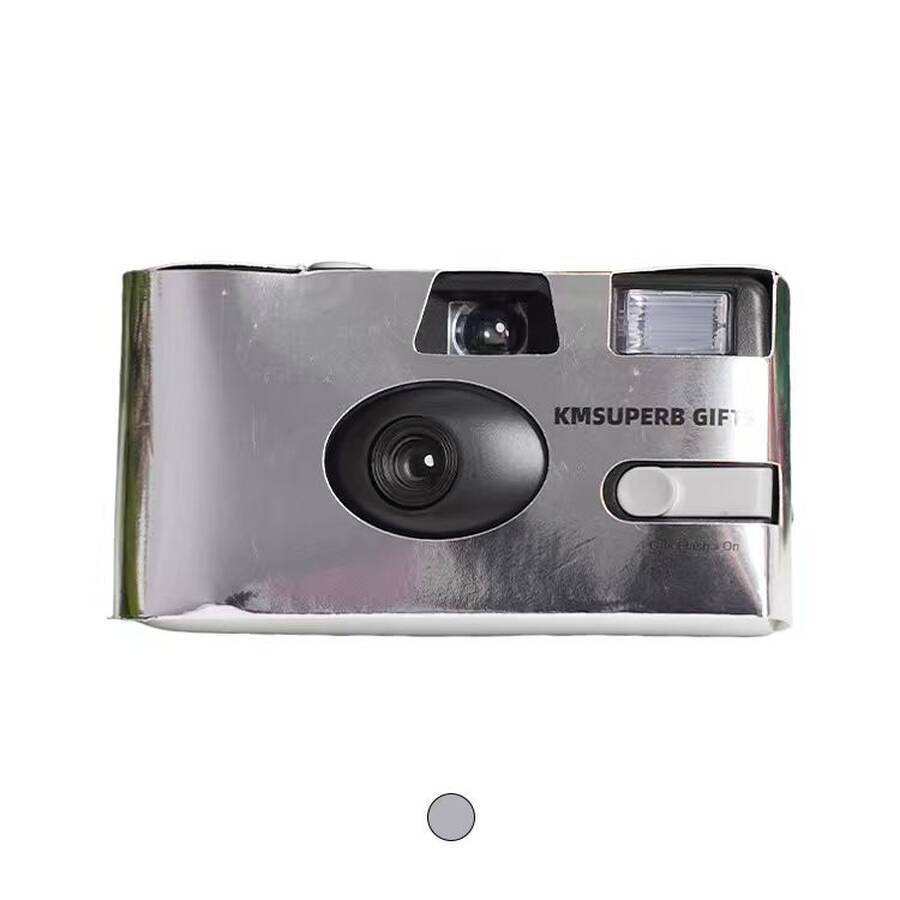
A Functional Camera Can Still Be the Wrong Event Product
After the function checks, compare the exterior and finished packing with the approved artwork and packaging reference. For event merchandise, an incorrect logo version, reversed orientation or mixed carton label can make an otherwise functional camera unsuitable for its intended distribution plan.
This is where a visual check needs more than a general impression that the printing looks good. The approved proof determines which design belongs on which camera, while the finished product shows whether artwork placement interferes with any controls or viewing areas.
Exterior and artwork checkpoints
- Correct artwork version: names, dates, campaign messages and logo versions match the approved proof.
- Placement and orientation: customized elements sit in the intended position rather than appearing reversed, shifted or applied to the wrong side.
- Functional clearance: artwork or labels do not obstruct the lens, viewfinder, shutter control, film control or flash area where flash applies.
- Visible finish condition: note lifting, wrinkles, contamination, scratches, obvious misalignment or assembly damage relative to the approved reference.
- Version separation: where several event designs share one shipment, confirm that units and cartons cannot be easily mixed during receiving.
Packing verification checkpoints
- Compare individual presentation with the approved packing instruction.
- Confirm the approved box, sleeve or other packaging version where specified.
- Verify required inserts or instruction material against the final approved version.
- Check carton identification and artwork/version separation.
- Confirm the finished packing remains traceable to the inspected production group.

If the project uses labels, printing or paper packaging, read the guide to custom disposable camera covers, stickers, screen printing and paper boxes. Those design decisions should be approved before the pre-shipment inspection; QC then confirms that production follows the approved version.
A Failed Sample Does Not Tell You How Much Stock Is Affected
A useful QC report separates observation from diagnosis. “Shutter did not release on sample 07” is evidence. “The whole batch has a shutter defect” is a broader conclusion that needs sampling data and scope confirmation.
The same discipline applies to film, artwork and packing. Record what differs from the approved reference, identify where the sample came from, then determine how widely the issue may extend before goods are released.
How a concern becomes a release decision
Which reference was used? Which units were sampled? Where did they come from? What failed? How widely did the issue appear? What was corrected? Who approved the final shipment status?
What Buyers Should Settle Before the Cameras Ship
A supplier can only discuss meaningful inspection requirements once the camera itself is clearly defined. Film type, flash configuration and printed artwork are purchase decisions first; they become QC criteria only after the buyer approves them.
For a custom event order, the following details help connect the inspection discussion to the shipment that will actually arrive. Anything not yet agreed should remain an open question rather than being treated as a confirmed specification.
Use the order reference and approved sample so another model’s requirements are not substituted.
State what the project requires and how film-loading status is expected to be verified.
Do not leave flash as an assumed function. The inspection requirement should match the quoted unit.
Provide the approved design reference and identify separate versions where one order contains several designs.
Include the intended order quantity, destination country and required project timing so the inquiry reflects the real shipment.
Agree how samples are handled, what constitutes an exception and whether any destructive checks are required.
Why Event Orders Leave Little Room for Surprises
For event-dated orders, a missed artwork revision or a partially used test camera can create problems beyond the affected unit. The mistake may only become visible when cartons are allocated to venues or prepared for distribution. This is why sample traceability and clear decisions about tested units matter, even for relatively simple camera orders.
A simple standard camera order may need a shorter checklist. As customization, artwork versions, packing variations or shipment value increase, traceability and pre-shipment evidence become more important.
Make Inspection Requirements Part of the Camera Quote
Strong disposable camera quality control works best when the specification and the inspection criteria describe the same product. Agreeing on that connection before shipment reduces the chance that a difference is discovered only after cartons arrive.
Send KMSUPERB the camera model, order quantity, film requirement, approved customization, packaging needs, destination and any pre-shipment inspection requirements that should be confirmed for the project.
Questions That Commonly Remain Before Disposable Cameras Ship
Several questions become more important once the camera model and customization are agreed but the shipment has not yet been released.
What should be checked on disposable cameras before shipment?
Confirm the model and batch identity first, then check film-loading status, shutter operation on designated samples, flash only where the exact model includes it, exterior customization and finished packing. Each check should refer back to the approved sample and confirmed order specification.
How can film loading be verified without opening every camera?
Use batch traceability and the agreed production or QC record, then compare sampled finished units with the approved film-advance and counter condition. If direct internal verification is required, define sacrificial samples in advance rather than dismantling saleable units at random.
How should shutter operation be sampled?
Sample from the actual production lot using the inspection rule agreed for the order. Record the origin of each sample, operate it using the approved model’s normal sequence and document abnormal winding, release or reset behavior. If testing changes the film status, keep the sample out of normal finished stock.
When should flash be checked?
Only when flash is confirmed for the exact quoted model and approved sample. If flash is not part of that configuration, mark the check not applicable. If documents disagree about flash, resolve the specification before using flash as a pass/fail requirement.
What should happen if a sample unit fails a function check?
Record the exact failure, trace the sample to its production group and determine whether the issue appears isolated or repeated. The affected goods can then be held, inspected further, sorted or reworked according to the agreed QC process. Corrected goods should be checked again before shipment release.