For corporate events, hotel programs and recurring venue projects, effective flower bouquet color planning starts by separating two decisions that are often mixed together: the visual rules that must remain consistent and the flower varieties that may need to change after seasonal availability is reviewed.
The arrangement does not have to be redesigned every time a particular flower changes. A procurement team can keep the overall silhouette, visual density, color hierarchy, foliage direction and presentation stable while allowing controlled botanical substitutions within an agreed palette.
The key is to document those boundaries before the supplier encounters an unavailable variety. A reference image alone is not enough; the brief needs to state what the image controls, what may change, and who approves an exception.
This gives procurement a repeatable visual specification without treating every flower pictured in an inspiration image as a year-round supply commitment.
What Should Stay Stable When the Season Changes?
A bouquet can remain recognizably the same design even when one botanical component changes. What makes that possible is a clear definition of the core arrangement: the visual characteristics that procurement expects to remain stable from one event date to another.
Depending on the project, those characteristics may include overall shape, visual fullness, the relationship between focal and supporting flowers, the amount of foliage, wrapping direction and the relative weight of each color family. These are different requirements from insisting on a named flower variety.
Shape, density, focal balance, foliage presence, presentation direction and the overall impression the event team has approved.
Dominant color, supporting tones, neutral direction, foliage color, accent limits and colors that are specifically excluded.
Once those rules are clear, procurement can move into a real bouquet specification discussion without assuming that every flower shown in a visual reference will be available on every date.
Build the Color Brief Around Four Decisions
Terms such as “elegant,” “soft,” “spring,” or “warm” may help describe mood, but they are not precise enough to control a B2B order. A supplier still needs to know which color should dominate, which tones can support it and what should not appear.
A workable bouquet color palette specification therefore needs four parts: primary color, secondary color, neutral direction and an avoid list.
Describe the relationship between colors
“Ivory, blush and green” identifies color families but leaves their relative importance unclear. “Predominantly ivory, restrained blush accents and soft green foliage” tells the supplier much more about the intended visual result.
Exact percentages are not always necessary. Terms such as dominant, supporting, small accent, minimal presence and not permitted often translate more naturally into floral design because natural materials can vary in shade.
Define What May Change Seasonally and What Must Remain Fixed
Seasonal flower color planning is not the same as giving the supplier unlimited freedom. The purpose is to identify which elements can adapt while protecting the attributes that matter to the event or corporate identity.
Flowering periods differ among flower groups. For broader horticultural context, the Royal Horticultural Society guide to growing and selecting cut flowers illustrates differences in flowering periods among cut-flower groups. For a commercial order, actual availability should still be confirmed directly with the supplier for the event date.
If one flower changes but the event team would still recognize the bouquet as the same approved design, that element may be suitable for controlled substitution. If the change alters the bouquet's identity, color hierarchy or focal effect, it should return for specific approval.
Label Reference Images by What They Are Intended to Control
A photograph can communicate color and visual balance more quickly than several paragraphs, but the photograph still needs instructions. One person may see it as a palette reference while another interprets every pictured variety as mandatory.
Label references with phrases such as “color direction only,” “shape and visual density,” “foliage level,” “wrapping reference,” or “complete visual direction.” This tells the supplier which parts of the image are specifications and which parts are inspiration.
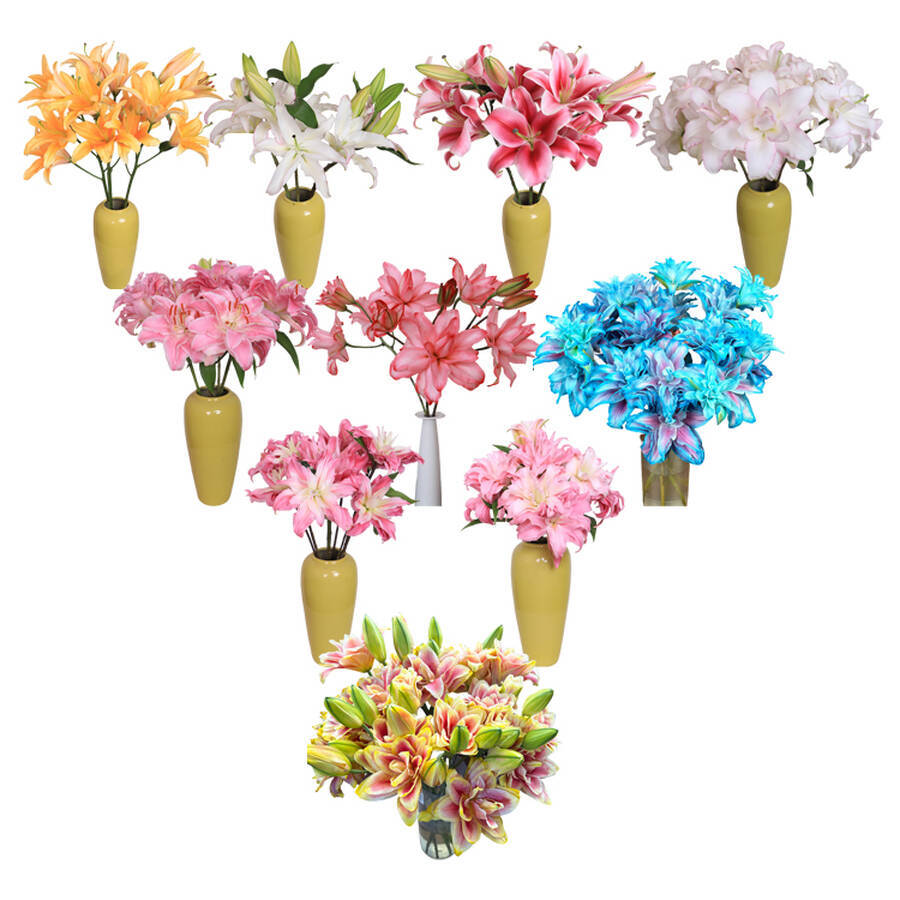
What should accompany the reference image?
Send the most authoritative visual materials available to the project: approved event swatches, brand or mood-board colors, venue photographs where background contrast matters, and an approval image when the project team uses one.
Digital or printed colors should be treated as communication references rather than promises that a natural flower will reproduce an exact screen or print value. The buyer brief should define the acceptable visual direction, then use the approval process to handle natural shade variation.
Which Projects Benefit From a Formal Color Specification?
Not every bouquet needs a lengthy specification. The method becomes especially valuable when several people must approve the same visual direction, when orders repeat across different dates, or when an event palette is more important than maintaining every original flower variety.
Useful when bouquets must coordinate with a defined event identity but procurement still needs a realistic substitution mechanism.
Useful for recurring floral requirements where the room or table palette remains stable across different event dates.
Useful when purchase communication needs to distinguish fixed requirements from details that remain subject to supplier confirmation.
Useful when visual consistency matters more than reproducing an inspiration photograph flower-for-flower.
Set Substitution Rules Before a Variety Becomes Unavailable
“Substitutions allowed” is not enough. It does not define the permitted color range, the visual role that needs to be preserved or the level of change that requires another approval.
Good flower substitution by color treats an alternative as a controlled exception. A supporting flower might be replaceable within the approved secondary palette, while a focal flower may require separate approval because changing its scale or visual prominence could change the character of the bouquet.
This is the practical answer to how buyers approve flower color substitutions. The supplier first checks whether the proposed change fits the existing rule. If it does not, the change goes back to the named decision-maker rather than being treated as automatically acceptable.
The same principle protects both sides of the order. Procurement avoids unexpected visual changes, while the supplier is not asked to guarantee an unconfirmed flower variety regardless of season.
Build an Approval Workflow Between Buyer, Venue and Supplier
Bouquet color specification for event procurement becomes harder when several stakeholders use the word “approved” to mean different things. Procurement may approve commercial scope, a venue team may approve room compatibility, and a designer may be approving only the visual direction.
The solution is not more paperwork. It is a short sequence in which every approval names the characteristic being accepted.
Three approval mistakes that create avoidable disputes
- Approving a photograph without defining what it controls. The supplier may interpret the flower varieties as mandatory when the event team intended only to approve color.
- Accepting a substitution verbally and failing to update the reference. A later reviewer may compare the finished arrangement with an outdated image.
- Allowing several stakeholders to make overlapping decisions. State who has final authority over color and substitutions, or divide approval responsibilities clearly.
Review the Real Flower Direction After the Palette Rules Are Clear
The product should enter the conversation after the project team knows what it is trying to preserve. At that point, the supplier can review a real flower option against a real event palette instead of being asked to reproduce an inspiration image without decision rules.
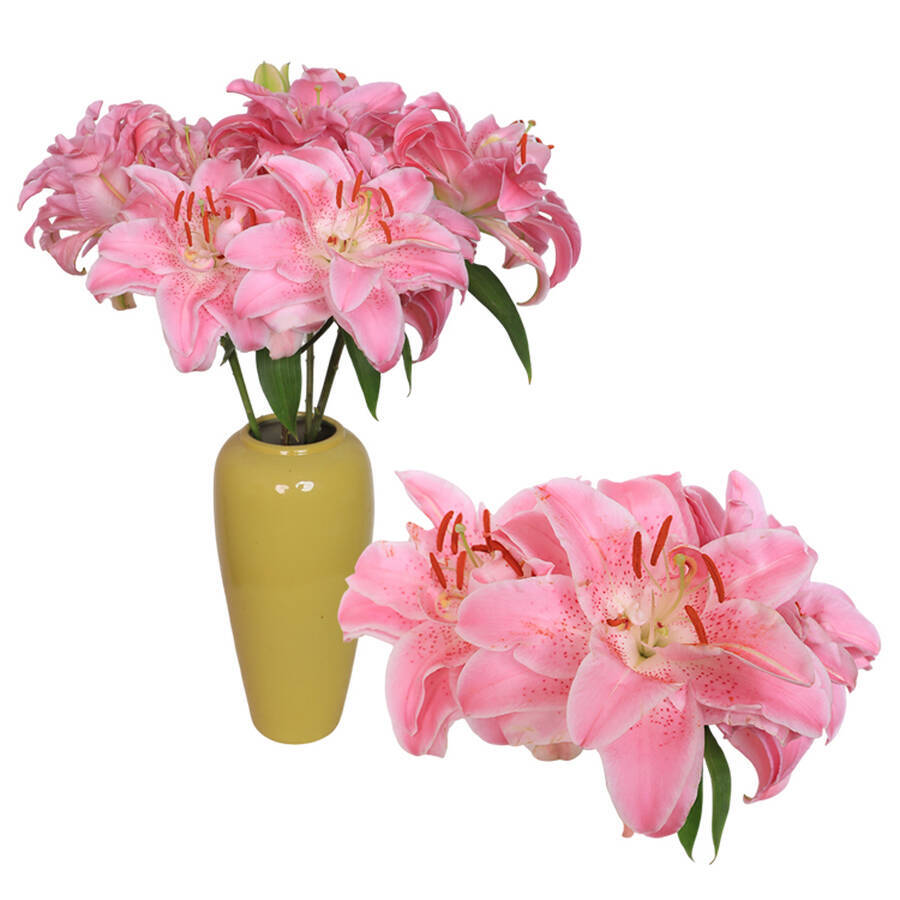
The Fresh Flower Bouquet-Lily page is relevant at this stage because the project team can review a real fresh-flower direction before asking which current color or variety can support the event brief. Exact availability should still be confirmed against the project date and quantity.
What Should the Buyer Send Before Requesting Specification Confirmation?
For teams working out how to specify bouquet colors for corporate orders, a useful inquiry does not need to predict every botanical detail. It needs to give the supplier enough project context to identify what is confirmed and what still needs review.
Instead of asking only, “Can you match this bouquet?”, ask: “Which elements of this reference can remain consistent for our event date, and which elements would require seasonal substitution?”
Provide the primary family, secondary family, neutral direction and explicit avoid list.
Label what each reference controls: color, shape, density, foliage, wrapping or overall visual direction.
Describe the silhouette, visual fullness, focal balance and presentation characteristics that should remain stable.
Availability should be reviewed against a real project date and order requirement rather than a generic design concept.
If a particular flower is essential for ceremonial, design or branding reasons, identify it separately and request confirmation.
Explain what may change within the existing brief and which changes require a new approval.
Name the person or role responsible for approving palette exceptions and substitutions.
Event palette, arrangement direction, event date, quantity requirement and any design details that procurement has already approved.
Exact flower variety, available shade, seasonal alternative and any botanical detail that depends on current supply.
Questions Buyers Often Need Resolved Before Final Approval
These are the points most likely to remain open after the palette itself has been selected.
How do buyers specify a bouquet color palette?
Define the dominant color family, supporting tones, neutral or foliage direction and colors that should not appear. Then label the reference images so the supplier knows whether they control color, shape, density, presentation or the full visual direction.
Can flower varieties change while the color palette stays consistent?
Yes, when the buyer brief allows substitution and the proposed alternative preserves the approved visual role. The supplier should still confirm the actual flower and color available for the event date.
How should substitutions be approved?
Record what is unavailable, what replacement is proposed, which approved attribute the replacement preserves and who has authority to accept the change. Anything outside the agreed substitution rule should return for specific approval.
What reference materials help suppliers match a corporate palette?
Useful references include approved color swatches, event mood boards, clearly labelled bouquet images, venue photographs where background contrast matters and an approved visual sample when the project uses one. State what each reference is intended to control.
Could Someone Outside the Design Team Read the Brief and Make the Same Approval Decision?
Before sending the inquiry, make sure the dominant palette, excluded colors, fixed arrangement features and substitution authority are all understandable without relying on an undocumented conversation.
That is the practical value of flower bouquet color planning: the arrangement keeps a recognizable identity while seasonality is handled through supplier confirmation rather than guesswork.
Send the Palette, Reference Images, Event Date and Quantity for Bouquet Specification Review
Include the core arrangement direction, primary and secondary colors, avoid list, any non-substitutable flower requirement and the person responsible for approving changes.
If some flower details remain open, identify them clearly. The project information can then be reviewed against current flower options before quotation or specification confirmation.