For hotels and corporate venues, flower bouquet planning rarely starts with a universal stem count. A more useful starting point is to identify where the flowers will be seen, what each arrangement needs to achieve visually, and when every display has to look its best.
Once those decisions are clear, quantity planning becomes much easier to control. A hotel lobby may follow a recurring service rhythm, meeting rooms may change with the booking calendar, and conference or reception areas may need flowers only for a defined event window. Stem demand can then follow approved arrangement recipes, while replacement and replenishment can follow the way the venue actually operates.
Each display point should connect to an arrangement type, an approved recipe, an active service window and a clear inspection or replacement plan. When those details are recorded at location level, the final order reflects the venue itself rather than an arbitrary “standard bouquet” quantity.
List the Places Where Flowers Matter and When They Need to Be Ready
Many quantity mistakes happen before anyone starts counting stems. A display point is overlooked, counted twice or treated as a permanent requirement even though it is only needed for one event. In hotel flower bouquet planning, a clear location map gives the order a much stronger foundation.
It helps to think in actual guest- or client-facing positions rather than broad departments. A “lobby” might include a central feature arrangement, two reception positions and a concierge desk. A “conference area” could include registration, pre-function tables, meeting rooms and a podium. They may sit within the same venue, but they do not necessarily need the same flowers, scale or schedule.
Recurring and event-driven displays should also remain separate. A reception arrangement may be part of the property’s normal weekly rhythm, while six meeting-room bouquets may appear only for a two-day conference. Keeping those requirements distinct makes it easier to see what is genuinely recurring and what belongs to a specific event.
What is worth recording for each location?
Use a name specific enough that procurement, operations and the floral team are all referring to the same physical position.
A lobby feature, reception bouquet and meeting-room arrangement can then remain separate instead of being treated as interchangeable.
Knowing when the flowers must actually be guest-ready is more useful than recording only a broad event date.
Tie the next review to a real service moment so the flower plan follows the venue calendar rather than an arbitrary interval.
Once this venue map is clear, product selection becomes much more meaningful. Procurement teams can look at a real fresh flower bouquet in the context of a defined placement and visual requirement instead of trying to choose a quantity first.
Build Stem Demand From the Approved Arrangement, Not From an Average Bouquet
When buyers ask how many stems are needed for hotel flower arrangements, the answer depends first on the design that has actually been approved for that location.
A lobby feature, a front-desk bouquet and a conference-table arrangement can differ substantially in scale, flower mix, density and visual purpose. Giving all three the same stem allowance may make the spreadsheet simple, but it separates purchasing from the design the venue is expecting to receive.
A more reliable approach is to give each approved design its own arrangement code. The recipe attached to that code can then be extended across the number of active positions and the number of times that arrangement is expected to be installed or replaced.
Keep the calculation tied to the approved recipe
Approved recipe for arrangement code × active display points × scheduled installations or replacement events
Replenishment and contingency can then be added where they have been deliberately approved for the project.
The arithmetic is straightforward; the quality of the result depends on the inputs. A recipe borrowed from another property may not suit the scale or design of the current venue, and a draft arrangement should not become the basis of a final purchasing quantity simply because it already appears in a spreadsheet.
For projects covering several areas or venues, keeping each arrangement code separate until the location-level requirements are complete makes the final purchasing total easier to understand, review and adjust.
Set Replacement and Replenishment Around the Venue’s Presentation Standard
The useful question behind a flower replacement cycle is not simply “How many days has this bouquet been here?” It is whether the arrangement will still meet the required presentation standard when the space next matters to guests, clients or attendees.
A hotel lobby might need a review before a major arrival period. An executive meeting space may need attention before an important client visit. Event flowers may only need to perform through a clearly defined reception or conference window and can leave the recurring plan once that event is over.
That is why how often corporate venue bouquets should be replaced cannot be reduced to one fixed interval. The right cadence depends on the required appearance, the actual condition of the flowers, the approved arrangement specification and the next presentation-critical moment in the venue schedule.
Replenishment and full replacement create different purchasing needs
Replenishment makes sense when the arrangement can remain in service and only selected flowers need attention. Full replacement means the display itself needs to be renewed. Making that distinction at project level keeps different site teams from applying different standards to the same arrangement.
It also has a direct effect on quantity planning. Treating every inspection as a full replacement can push demand higher than necessary, while assuming every arrangement can simply be topped up may leave too little stock for high-visibility areas that need a complete refresh.
Choose Flower Options With a Clear Use Case Already in Mind
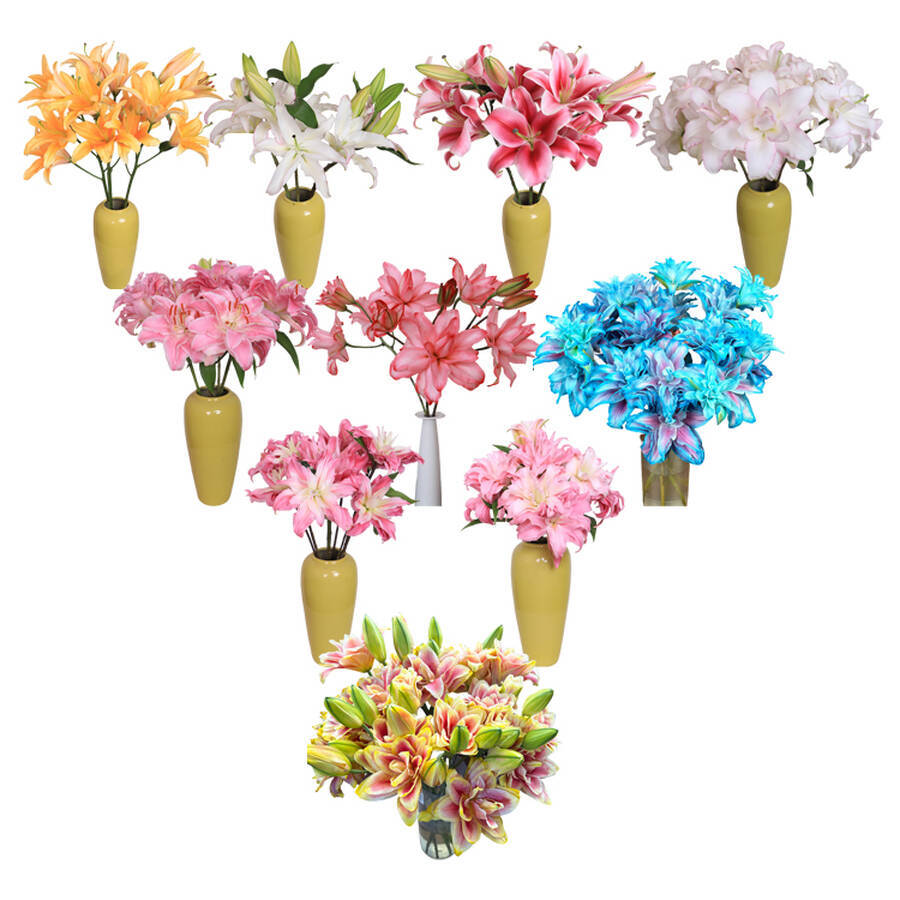
Flower selection becomes much more productive once the team knows where the arrangement will sit, what visual scale is expected, how many positions are active and when each display must be ready. The conversation can then move beyond “which bouquet looks good?” and focus on whether the flower direction actually suits the planned application.
Connect the Flower Specification With Delivery and On-Site Handling
Even a well-planned quantity can run into problems when the flower order and the venue schedule live in separate documents. The useful handoff is one that connects what is being supplied with where it is going, when it will arrive, who will handle it and when it needs to be in place.
For each arrangement code, keep confirmed details separate from points that are still open. Color direction, composition, presentation format and permitted substitutions can be recorded once they are approved; anything still undecided is better left visible as a confirmation point than quietly turned into a purchasing assumption.
Delivery time and presentation-ready time are not the same thing
Receiving is only the beginning of the on-site process. Flowers may still need to be checked, moved internally, prepared, arranged and distributed across several floors or function areas. A delivery slot that looks generous on a purchase order can feel much tighter once those steps are included.
For fresh flower bouquet planning in hotels, it is more useful to work backward from the moment the space needs to be ready. That makes it easier to see how much preparation time is genuinely available and whether a large project is better handled in one receiving window or in several planned delivery waves.
Build Contingency Around the Changes That Could Actually Affect the Venue
Extra stock is useful when it has a clear purpose. A blanket percentage added to every arrangement may look cautious, but it does not necessarily reflect where the project is most exposed to change.
The more useful question is what could realistically increase demand. A meeting room might be added at short notice, a registration position could appear in a revised floor plan, some stems may arrive unsuitable for use, or an inspection may show that a high-visibility arrangement needs more attention than expected. Each of those situations creates a different kind of requirement.
If the venue adds a table, desk or room, the extra quantity should follow the arrangement code that belongs in that space rather than becoming an unspecified “spare bouquet.”
Some situations may call for a small stem reserve for replenishment, while others may justify enough material to replace an entire arrangement.
If an event is extended or moved, the service plan should change first. The revised flower requirement then follows from the new dates and presentation windows.
When someone says “we need more flowers,” the useful follow-up is where they are needed, which arrangement belongs there and when the space becomes active. Those details turn a vague request into a quantity that can actually be checked.
Share the Details That Actually Shape Quantity, Timing and Specification
A supplier can respond far more effectively to a venue plan than to a single total bouquet quantity. For repeatable corporate flower bouquet planning, it helps to show what has already been decided and what still needs to be confirmed.
There is no advantage in filling gaps with guesses. If the flower type, recipe, substitution rule or delivery detail is still open, keeping that point visible gives the next discussion a clear purpose and reduces the chance that a provisional idea is mistaken for a final specification.
The number of properties or venues, the display points in each area and the arrangement quantities linked to those positions.
Approved recipes where available, preferred flower direction, color requirements and the intended presentation format.
Event dates, active service periods, installation deadlines and any planned replacement or replenishment points.
Receiving windows, venue constraints, contingency needs and any part of the specification that still requires confirmation.
With that information in place, the discussion moves naturally from “How many bouquets do we need?” to a much more useful question: which arrangements are needed, where they are going, when they must be ready and how their service cycle will be managed.
Six Questions Worth Answering Before the Quantity Is Final
A good final order should make sense when it is traced back to the venue. If one of these answers is still unclear, that is usually the part of the plan worth resolving before quantities are released.
Permanent areas and temporary event positions should both reflect the latest venue schedule.
The quantity should still reflect the intended design instead of collapsing several different displays into one generic bouquet count.
Final purchasing numbers are more reliable when draft stem counts remain separate from approved specifications.
Inspection, replenishment and replacement points should make sense against the moments when each space needs to look its best.
It should be clear whether reserve stock is meant for an added location, unusable stems or an unexpected full replacement.
The property needs enough time and a clear handoff between arrival, preparation and presentation-ready placement.
Practical Questions About Hotel and Corporate Bouquet Planning
These are the questions that often remain once the first venue map and quantity plan have been put together.
How do hotels plan flower bouquet quantities?
Start with every active display point, connect each one to the approved arrangement recipe and then map those arrangements against the dates when they need to be in service. Planned replacements or replenishment can then be added to the same schedule.
What determines a bouquet replacement cycle?
The most useful factors are the venue’s appearance standard, the actual condition of the arrangement, planned inspection points and the next guest- or attendee-facing service window. That is why the right cycle is usually project-specific rather than one universal number of days.
How should buyers plan flowers for multiple venue areas?
Keep each area or design under its own arrangement code and track its location count, recipe, active dates, replacement points and delivery window separately. The totals can be consolidated once those individual requirements have been checked.
Should every arrangement receive the same contingency quantity?
Not necessarily. An extra meeting room may require another complete arrangement, while the risk of a few unusable stems may call only for a smaller reserve. Contingency works best when it reflects the problem it is intended to solve.
What information should be sent for a bulk bouquet quote?
Useful information includes the venue count, arrangement quantities by location, service or event dates, replacement schedule, requested flower direction, color requirements, delivery windows and any agreed contingency needs. Anything still undecided can be identified clearly as a point for confirmation.
Make Sure the Quantity Still Makes Sense When Traced Back to the Venue
A useful project brief is not simply the one with the largest or most detailed total. It is the one where each quantity can still be connected to a real display point, an approved arrangement, an event date and a clear replacement decision.
If flower type, color, recipe or delivery details are still open, leaving them visible as confirmation points gives the supplier something specific to resolve instead of forcing an early guess.
Share the Venue, Quantity, Schedule and Arrangement Requirements
A clear corporate flower bouquet planning brief gives the supplier the context behind the numbers. Include the display points, bouquet or arrangement requirements, event dates, replacement plan and delivery windows that are already known.
KMSUPERB can then review the project for a quotation and help confirm any specification details that still need to be settled before purchasing.