For B2B buyers, fresh flower grading is most useful when it helps answer practical ordering questions. How long do the stems really need to be? How open should the flowers be when they arrive? How consistent do the bunches need to look? And what level of natural variation can the project actually accept?
These choices affect much more than how the flowers look in the carton. They can change sorting time, arrangement flexibility, conditioning time, transport readiness and whether the shipment works for the job it was purchased for.
Use the same clear requirements when asking for a quote, confirming the order and checking the flowers on arrival. If the buyer, supplier and receiving team would interpret a requirement differently, it is still too vague.
Grade Is a Purchasing Specification, Not Just a Quality Label
A label such as “premium” or “Grade A” may sound clear, but it does not always tell the buyer what will actually arrive. Two lots carrying the same grade name can still differ in stem length, bloom development, bunch uniformity or visible condition.
There is no single global cut-flower grade label that means exactly the same thing for every crop, supplier and market. In practice, grading is usually built around characteristics such as stem length, maturity or bloom stage, straightness, flower and foliage condition, uniformity and other product-specific features.
The useful question is therefore not “Is this Grade A?” but “What does Grade A mean for this flower and this order?” A wedding project may care most about bloom timing and usable length. A wholesaler supplying several customers may put more weight on bunch-to-bunch consistency.
This is why grading should always connect back to the actual flower being purchased. Reviewing the Fresh Cut Flower range gives buyers a real product to work from before agreeing on length, bloom condition, quantity and project-specific expectations.
The buyer still does not know what “long” means, how much variation is acceptable or what the receiving team should check.
The order explains the stem requirement, bloom condition and any consistency points that matter to the finished job.
The shipment can be checked against what was agreed before it left the supplier instead of deciding what is acceptable after arrival.
How Stem Length Changes Bunch Uniformity, Packing and Arrangement Use
Longer stems are not automatically a better purchase. What matters is how much usable length the florist or production team needs after trimming and processing. Tall installations, elevated centerpieces and designs that need adjustment usually benefit from more working length. Compact arrangements may cut much of that extra stem away.
In other words, buy the length the design needs rather than paying for length simply because it sounds like a higher grade.
Before ordering, agree on how stem length will be measured. Is the requirement a minimum length, or is it an acceptable range? Where does the measurement begin and end? Supplier and receiver should use the same method; otherwise two people can measure the same bunch and still reach different conclusions.
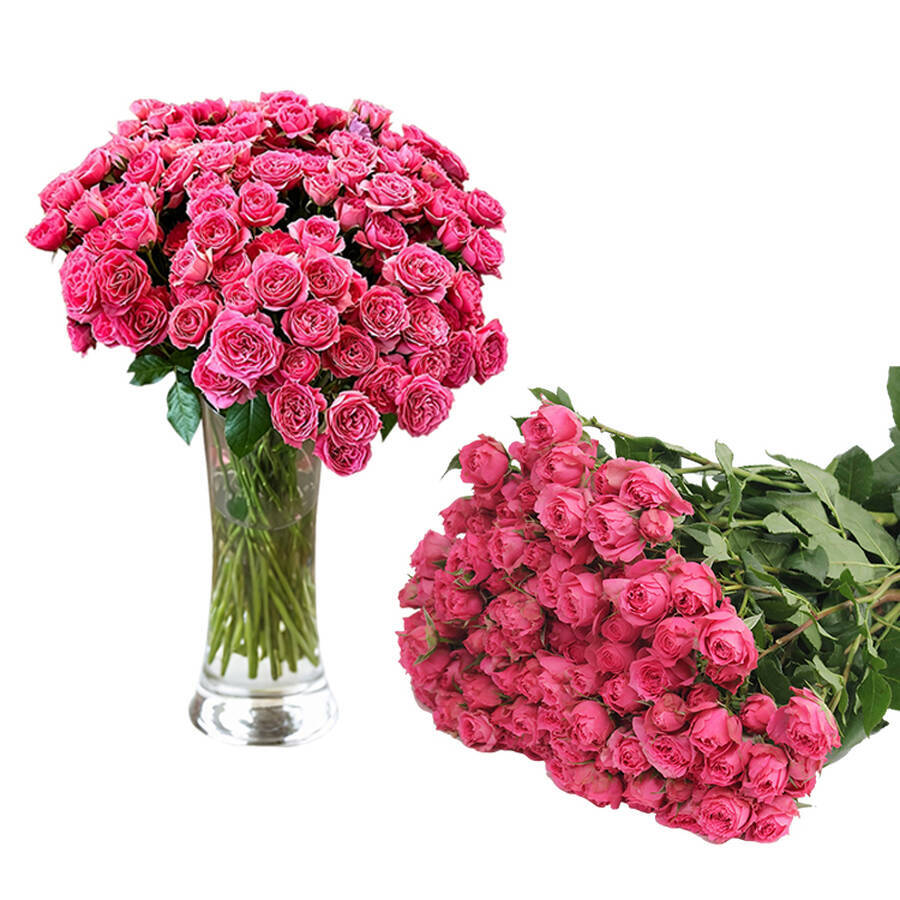
Uniformity can matter more than the single longest stem
Imagine a team making several hundred matching table arrangements. A bunch may contain plenty of long stems, but if the lengths vary widely, staff still have to sort them before production begins. In that situation, consistency inside and between bunches can matter more than the maximum stem length.
A wholesaler may make a different choice because the flowers will be divided among several customers. The right stem requirement should follow what happens after delivery, not a general assumption that a longer stem always means a better purchase.
Choose Bloom Stage by Working Backward From the Use Date
There is no single bloom stage for cut flowers that works for every flower and every order. Flowers that arrive tighter may have more time to develop after delivery. Flowers that arrive further open may be closer to display condition but leave less room for additional handling.
In simple terms, the flowers should not arrive so closed that they miss the event window, or so advanced that too much of their useful display period has already been used.
Start with the date the flowers need to look their best, then work backward. How long will setup take? How much conditioning time is available? When will the cartons arrive? Those answers help determine what the flowers should look like when the buyer opens the box.
The best stage for transport therefore depends on the flower and the time remaining after delivery. Give the supplier the receiving date and the use date, then agree on the intended arrival condition. Do not copy the maturity requirement from another flower simply because both products are fresh cut.
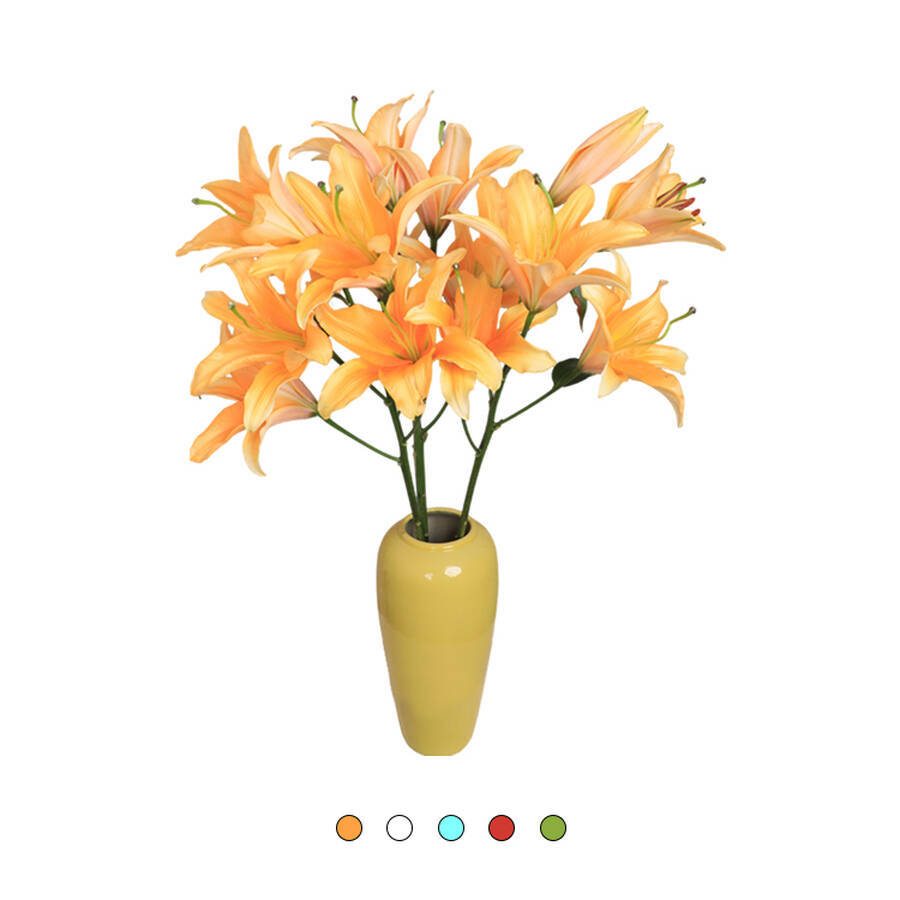
Different suppliers and buyers may picture those terms differently. If bloom stage matters to the job, add a short observable description and, where practical, an approved reference image. The image should support the written requirement, not replace it.
What Should Fresh Flower Grade Standards Actually Specify?
A useful fresh flower grade standard should tell both sides what matters for that order. It does not need to turn every natural variation into a defect, and it should not assume that one grade definition works for every crop, market or project.
Focus first on the points that can change the finished result or create extra work after delivery. For many orders, that means a short list like this:
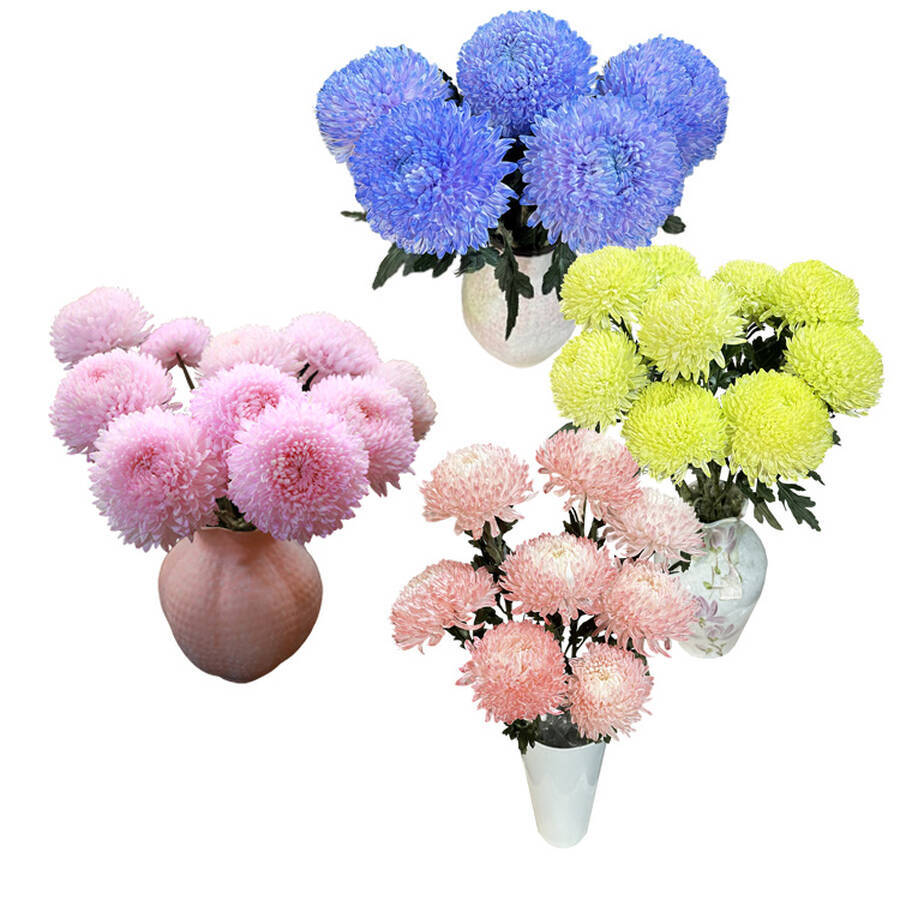
Set tolerance according to what the difference actually affects
Not every difference has the same commercial impact. A small length difference may disappear when stems are cut down for a compact centerpiece. The same difference can become important in a tall installation where every centimeter of usable stem matters.
Bloom stage works the same way. A mixed stage may be manageable when the buyer has several days to condition the flowers, but much more difficult when installation starts shortly after delivery. Tighten the requirements where variation creates a real problem, not simply because a stricter specification looks more professional.
Why Grading Rules Change From One Flower to Another
The UC Davis Postharvest Research and Extension Center guidance for roses discusses maturity according to cultivar and market requirements and describes grading factors that include stem length, maturity, straightness and flower or foliage quality.
Its chrysanthemum postharvest guidance also treats opening stage and length as crop-specific considerations rather than applying one rule to every cut flower.
The USDA Agricultural Research Service commercial storage handbook provides broader technical context on cut-flower quality, harvest stage, storage and grading.
How Buyers Check Fresh Flower Grades on Arrival
Receiving does not need to become a complicated quality-control exercise. The basic question is simple: do the flowers that arrived match what was agreed before shipment?
The easiest way to answer that fairly is to check a reasonable sample, compare it with the order requirements and record any important difference before the flowers are mixed, trimmed or redistributed.
Match the cartons and lot to the correct purchase details first. A receiving team using an old requirement can create a problem that does not actually exist.
Do not judge the whole shipment from the easiest stems to reach in one carton. Check enough bunches or cartons to get a fair picture of the lot.
If stem length matters, use the measurement method agreed before shipment. Changing the starting or ending point after delivery makes the comparison unreliable.
Check whether the flowers look like the agreed arrival condition. If stages vary, note whether the issue appears throughout the shipment or only in a few stems.
A useful photo shows the actual measurement, bloom condition and carton or lot reference. “The flowers look wrong” is much harder for either side to resolve.
Decide whether the variation is acceptable using the level agreed for the order, rather than making the standard stricter or looser once the shipment has arrived.
Carton reference, a visible stem measurement, bloom-stage comparison, number of affected samples and clear photographs taken before processing.
“The flowers seem too short,” “the grade looks wrong,” or photos taken after bunches have already been mixed, cut or redistributed.
Choose Stem Length and Bloom Stage by Event Date, Venue and Handling Window
Good fresh flower selection by stem length and bloom stage starts with the finished use. Decide what the flowers need to do after delivery, then choose the grade and order requirements around that job.
These three common buying situations show why the same flower can reasonably be ordered in different ways.
When there is little time between delivery and setup, bloom stage becomes especially important. Give the supplier both the receiving date and event date.
If the design needs height or substantial adjustment, buy enough working stem after processing instead of simply asking for “long stems.”
When different staff receive repeated shipments, clear measurements and consistent descriptions are more useful than subjective terms such as “good quality.”
Give the Supplier the Information That Changes the Order
A useful bulk flower inquiry does not need to look like a long technical form. It simply needs enough information for the supplier to understand what the flowers have to do and when they have to be ready.
Tell the supplier which flower you are considering, or describe the type of flower if the final selection is still open.
Give the expected quantity or project volume so the supplier can review the order realistically.
If you know the required stem length, include it. If not, explain what the arrangement needs to achieve and confirm the suitable length before ordering.
These two dates help determine how much conditioning and preparation time is available.
Tell the supplier which points are critical to the finished result and which details are still open for recommendation or confirmation.
Questions Buyers Often Ask Before Confirming an Order
These are common details worth clearing up before the flowers are packed and shipped.
What is fresh flower grading?
Fresh flower grading groups flowers according to characteristics such as stem length, bloom development, uniformity and visible condition. For a buyer, the important part is knowing what those terms mean for the actual product being ordered.
What should be included in a flower purchase specification?
Include the selected flower, stem-length requirement or measurement method, desired arrival bloom condition, any important consistency points, expected quantity and the way critical differences will be checked on arrival.
How much natural variation should buyers accept?
There is no useful universal percentage for every flower and project. Decide which variations would actually affect the finished use, then agree on an acceptable level before shipment.
Should a bloom-stage photo be sent with the order?
It can help when words such as “tight” or “semi-open” may be interpreted differently. Use the photo together with a short written description rather than making one image the entire acceptance standard.
Could Someone Else Receive the Flowers and Know What You Ordered?
Before confirming the order, imagine that someone else will open the cartons. Would that person know which stem length to check, what bloom stage to expect and which differences really matter?
If the answer is yes, the grade has become something useful: a clear buying requirement rather than just a quality label.
Send the Flower, Quantity, Timing and the Details That Matter to Your Project
When requesting a quote, send KMSUPERB the selected flower, expected quantity, required stem or arrangement direction, arrival date, use date and the bloom or consistency points that matter most to the finished job.
If you are not sure about one part of the requirement, leave it as a point to confirm instead of guessing. You can first review the Fresh Cut Flower range and then discuss the appropriate length, arrival stage and order details for the project.