A workable fresh cut flower cold chain is not simply a refrigerated truck or an air-freight booking. For a bulk order, quality depends on what happens before cooling begins, how flowers enter packing, what occurs during transfers, and how quickly the shipment is checked after arrival.
That changes the purchasing conversation. Asking only for a shipping temperature gives procurement teams one number but leaves several important questions unanswered: Were the flowers cooled promptly? How was hydration handled before packing? Did cartons sit during staging? Who controlled airport or warehouse transfers? Was someone ready to inspect the shipment at destination?
The practical goal is continuity. Buyers do not need to become postharvest specialists, but they do need enough visibility to recognize where a good transport plan can still break down.
Manage time, temperature exposure and hydration as one connected process. Then make every handoff visible: supplier preparation, pre-cooling, packing, forwarder transfer, transit and receiving. If one stage is unclear, the cold chain is not fully defined.
Why Flowers Can Stay “Cold” and Still Arrive Poorly
Consider a common bulk-order situation. The forwarder maintains the agreed transport condition during the longest part of the journey, so the shipment appears well managed on paper. Yet the flowers arrive with uneven condition across cartons.
The problem may have started earlier. Flowers could have waited before pre-cooling, remained outside controlled storage during grading, entered packing with inconsistent hydration, or spent extra time at a handoff before the forwarder took responsibility. The main transport leg can be managed correctly without compensating for every earlier exposure.
This is why the cold chain should be read as a sequence rather than a single temperature record. Each stage affects the condition handed to the next one.
When this planning leads into product selection, start with the real fresh cut flowers available from KMSUPERB. The flower selection, destination and required arrival date give the supplier and forwarder a much better basis for discussing the route.
Pre-Cooling and Hydration Matter Before Buyers Can See the Shipment
By the time sealed cartons are handed to a forwarder, several decisions have already been made. That is why pre-cooling fresh flowers should be discussed with the supplier before shipping instructions are finalized, not after a condition problem appears.
The useful question is not simply whether flowers are pre-cooled. Ask when cooling begins, where it happens and what tells the supplier that the flowers are ready to move into packing. This reveals whether cooling is an integrated step or something separated from packing by an uncontrolled waiting period.
Hydration deserves the same treatment. Flower hydration before shipping should be discussed as part of the preparation sequence. Ask when hydration occurs, how it fits around cooling and packing, and whether any particular handling procedure has been agreed for the shipment.

What should procurement actually ask?
Ask questions that reveal the workflow rather than requesting a long list of technical parameters:
- How soon after preparation do the flowers enter pre-cooling?
- What determines that pre-cooling is complete for this order?
- When is hydration performed relative to cooling and final packing?
- Can flowers spend significant time outside controlled storage during grading or carton preparation?
- Who decides that the shipment is ready to hand over to the forwarder?
For deeper technical background on cut-flower handling and pre-cooling, see the UC Davis Postharvest Research and Extension Center publication on handling, pre-cooling and temperature management of cut flowers.
The USDA Agricultural Research Service review on postharvest technology of ornamentals provides additional research context on postharvest handling.
What Transit Temperature Should a Bulk Flower Buyer Confirm?
Buyers naturally want a number because numbers are easy to place on purchase orders and freight instructions. The problem is that the appropriate operating condition can depend on the flower, packing arrangement, route and handling plan. A value copied from another crop or shipment can create false confidence.
A better question is: What condition do the supplier and forwarder agree is appropriate for this specific shipment, and who is responsible for maintaining it at each stage?
This approach still produces a clear specification, but it puts confirmation before assumption. It also brings warehouse, airport, loading and destination handling into the same conversation instead of focusing only on the main transport leg.
If the route is direct and handoffs are limited: focus on origin preparation, the agreed transport condition and fast receiving.
If the shipment changes warehouses, vehicles or handlers: ask what happens at each transfer and whether the same condition is maintained throughout.
If the flowers are for an event with little recovery time: give more attention to required arrival time, receiving staff and escalation contacts.
If nobody can explain the transit target for this order: do not invent one. Ask the supplier and forwarder to confirm it before booking.
Where buyers often underestimate risk
Transfer time is easy to overlook because it may not appear as a separate line on a freight quote. Yet a shipment can move through staging areas, airport facilities, local warehouses and final-mile vehicles before reaching the receiver.
For a bulk flower cold chain, every responsibility change deserves one simple question: Who controls the flowers until the next party accepts them? That question often reveals more useful information than asking whether the shipment is “cold-chain” in a general sense.
When the Flower Is Known, the Buying Conversation Gets Easier
A cold-chain article should not push a flower before the buyer understands the logistics problem. Product selection becomes relevant once the procurement team knows the destination, required arrival date and receiving plan, because those details allow handling questions to become specific.
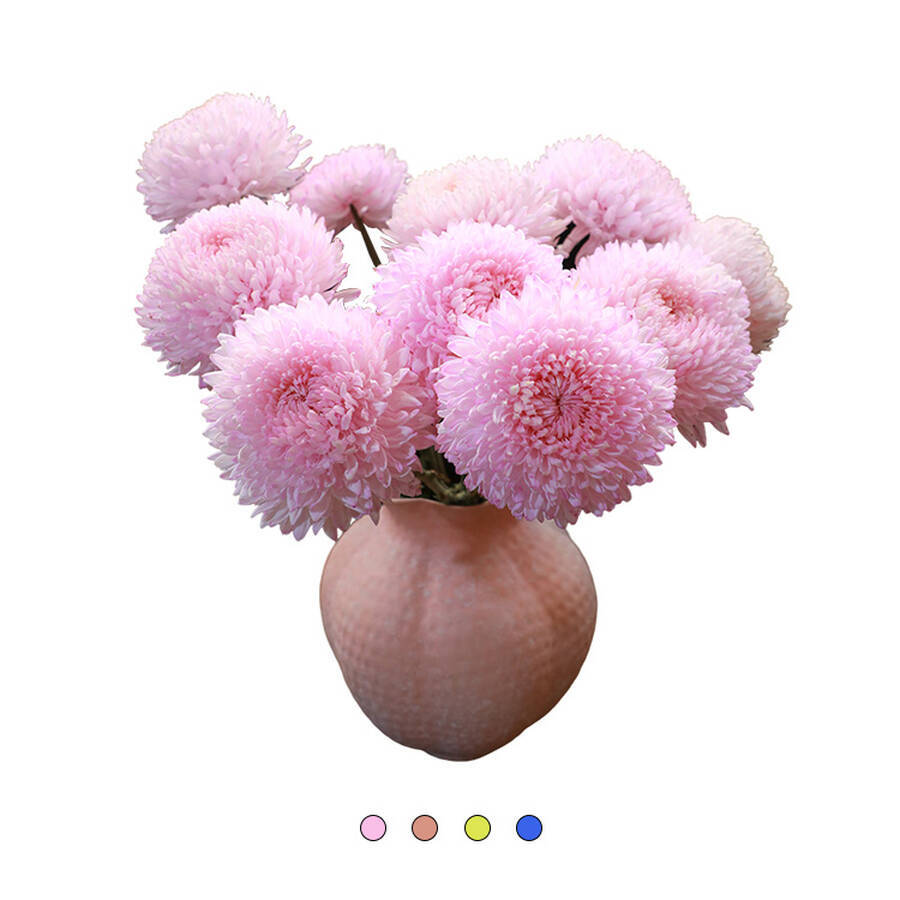
If Peony Chrysanthemum is already part of the visual or floral direction, the next step is not to guess how it should travel. Review the current product listing, then send the route and project requirements so product availability and shipment-specific handling can be discussed together.
Do Not Wait for a Problem Before Deciding How to Inspect the Shipment
The receiving team is often the first group that sees the flowers after a long sequence of invisible handoffs. Their observations can be extremely useful, but only if condition is documented before cartons are mixed, stems are redistributed or packaging is discarded.
Arrival symptoms do not automatically identify their cause. Wilting, uneven opening, condensation, discoloration or differences between cartons can have several possible explanations. Good documentation allows the supplier, forwarder and buyer to compare what actually happened rather than arguing from impressions.
Document what can be observed first. Cause can be investigated afterward. This makes the evidence more useful and reduces the risk of assigning a logistics problem to the wrong stage.
What Should a Buyer Send Before Asking for a Quote?
A useful inquiry does not need to contain every technical answer. In fact, filling the brief with unconfirmed temperatures or treatments can make the discussion less useful. What the supplier and forwarder need first is the project context that changes the handling decision.
For most bulk projects, prepare three groups of information: what is fixed, what still needs confirmation and what the receiving team can support.
Destination, required arrival date, flower selection, approximate quantity, event or use date, receiving location and known packing requirements.
Pre-cooling process, hydration stage, packing exposure, route-specific transit condition, transfer responsibilities and available monitoring records.
Name a receiving contact, define the inspection timing and decide which photographs, carton references and records should be kept if condition differs from plan.
Who benefits most from this level of planning?
The value is highest where arrival condition affects a downstream deadline. Event-flower buyers may have only a short preparation window. Wholesalers need consistent receiving procedures across repeated shipments. Procurement teams coordinating international freight may need several parties to work from the same assumptions.
A simpler route with a known receiving process may not require an elaborate document. In that case, keep the brief short: flower, quantity, destination, required arrival date, agreed transit condition and receiving contact.
More complexity should lead to more clarity, not simply more specifications. That distinction is central to fresh cut flower cold chain planning when the shipment still needs product- and route-specific confirmation.
A Better Final Check Than “Is It Cold-Chain?”
Before confirming a bulk shipment, a procurement team should be able to answer five practical questions. If one cannot be answered, that is the point to clarify before dispatch.
The process before pre-cooling should be visible rather than treated as an unknown gap.
Pre-cooling and hydration should connect to packing, not sit as unrelated operations.
Identify warehouses, airports, loading areas or other places where responsibility changes.
Separate supplier- or forwarder-confirmed handling requirements from generic assumptions.
The final handoff needs a receiving contact, inspection process and clear next handling step.
Questions Buyers Often Still Have Before Shipping
These questions cover points that may remain open even after the main cold-chain discussion is complete.
What does a fresh cut flower cold chain include?
It includes the handling sequence before and after transport: origin preparation, pre-cooling, hydration, grading and packing, staging, transfer, transit and destination receiving. The important issue is continuity between those stages.
When should pre-cooling and hydration be discussed with the supplier?
Before the shipping specification is finalized. Those stages influence the condition entering packing and may change the questions that need to be agreed with the forwarder.
Should every flower shipment use the same transit temperature?
Do not assume one universal value. Confirm the planned condition for the actual flower, packing arrangement, transport mode and route with the supplier and forwarder.
What should a buyer provide when requesting a bulk flower quote?
Provide the destination, required arrival date or window, flower selection, approximate quantity, known packing or handling requirements and information about the receiving location. These details make route-specific confirmation more useful.
What evidence should be collected if flowers arrive in poor condition?
Record receiving time, carton or batch identification, visible carton condition, photographs before and during unpacking, where differences occur within the shipment and any available transit or temperature records.
When should a buyer contact the supplier instead of setting the cold-chain specification alone?
Contact the supplier when the flower selection, route, packing plan or transit condition still needs product-specific confirmation. A useful inquiry can state what is already fixed and clearly identify which handling decisions remain open.
Prepare the Information That Changes the Shipping Decision
Have the destination, required arrival date, flower selection, approximate quantity and any known handling or receiving constraints ready.
If some logistics details are still open, say so. Those are the points the supplier and forwarder need to confirm rather than values the procurement team should guess.
Connect the Flower Selection With the Destination and Arrival Date
A strong fresh cut flower cold chain is built around a real shipment, not a generic checklist. Once the destination, timing and flower selection are known, the remaining questions about preparation, transit and receiving can be confirmed with the people responsible for them.
Send KMSUPERB the destination, required arrival date, flower requirements, quantity and relevant handling constraints to request a project-specific quotation and specification confirmation.