Summer cooling merchandise should be selected around the handout setting, audience movement and expected use. A crowded exhibition booth needs fast access and simple replenishment. A hosted trip needs compact packing, while an internal summer program needs fair distribution across offices, shifts and regional locations.
An effective promotional fan project should separate booth giveaways, travel kits and staff gifts before quantity, branding or packaging decisions begin. Doing so keeps the product useful while reducing packing waste, stock confusion and last-minute distribution problems.
| Booth Giveaways Prioritize fast handouts, easy carrying and controlled daily stock. | Travel Kits Prioritize compact packing, individual use and coordinated assembly. | Staff Gifts Prioritize practical value, phased allocation and seasonal care. |
Choose the Campaign Structure Before the Product Format
The same cooling item can perform well in one campaign and create extra work in another. A presentation box, for example, can strengthen a hosted travel set but slow a busy exhibition handout. Basic bulk packing may support rapid distribution yet feel incomplete inside a staff gift.
A reliable decision starts with five connected questions: who receives the item, where the handout happens, how stock reaches that point, what presentation level is expected and when each destination needs the shipment. Once those details are clear, product format, quantity and packaging become much easier to align.
Booth Giveaways: Plan for Speed, Carrying and Replenishment
A booth item succeeds when event staff can reach it, hand it over and continue the conversation without unnecessary steps. At a busy booth, compact formats and straightforward unit packing usually work better than layered presentation boxes. The item should also fit comfortably inside an event tote or remain easy to carry through a crowded venue.
Traffic rarely stays even throughout the day. Keynote breaks, lunch periods and scheduled demonstrations may create short distribution peaks. A practical stock plan divides the quantity by event day and staff shift, then keeps a controlled reserve away from the main counter.
Four Decisions That Keep Booth Distribution Moving
- Keep the opening process simple. Clean individual protection or accessible inner packs can organize units without slowing the handout line.
- Use one clear distribution rule. Open handouts, scans, demonstrations and scheduled meetings require different quantity assumptions.
- Display only a working quantity. A small counter display looks more organized, while reserve packs remain behind the booth.
- Assign stock control. One event lead should release reserve units and record unusual traffic or damaged packs.
Make Branding Work During a Short Interaction
Booth contact may last only a few seconds. One readable logo usually works better than a crowded design with several lines of small text. Longer campaign messages can move to a tote insert, card or booth graphic.
Restrained branding also supports later use. An item that still feels practical after the exhibition can continue carrying the company mark beyond the venue. Product color should coordinate with booth panels, staff clothing and event bags rather than competing with every visual element.
Estimate Quantity Through Booth Activity
Total exhibition attendance does not automatically equal the required order quantity. Use expected booth conversations, operating hours, staff capacity and the chosen handout rule. Daily targets usually create a more reliable estimate than a broad venue attendance figure.
Start with expected eligible booth interactions for each day, apply the actual handout rule, then add a defined reserve for traffic variation, damaged packs or difficult replenishment. Keep the reserve separate from the quantity placed on the counter.
For multi-city campaigns, split cartons before shipment whenever possible. Each destination should receive a defined quantity, clear carton identification and a local receiving contact. This reduces repacking and prevents one venue from receiving stock intended for another event.
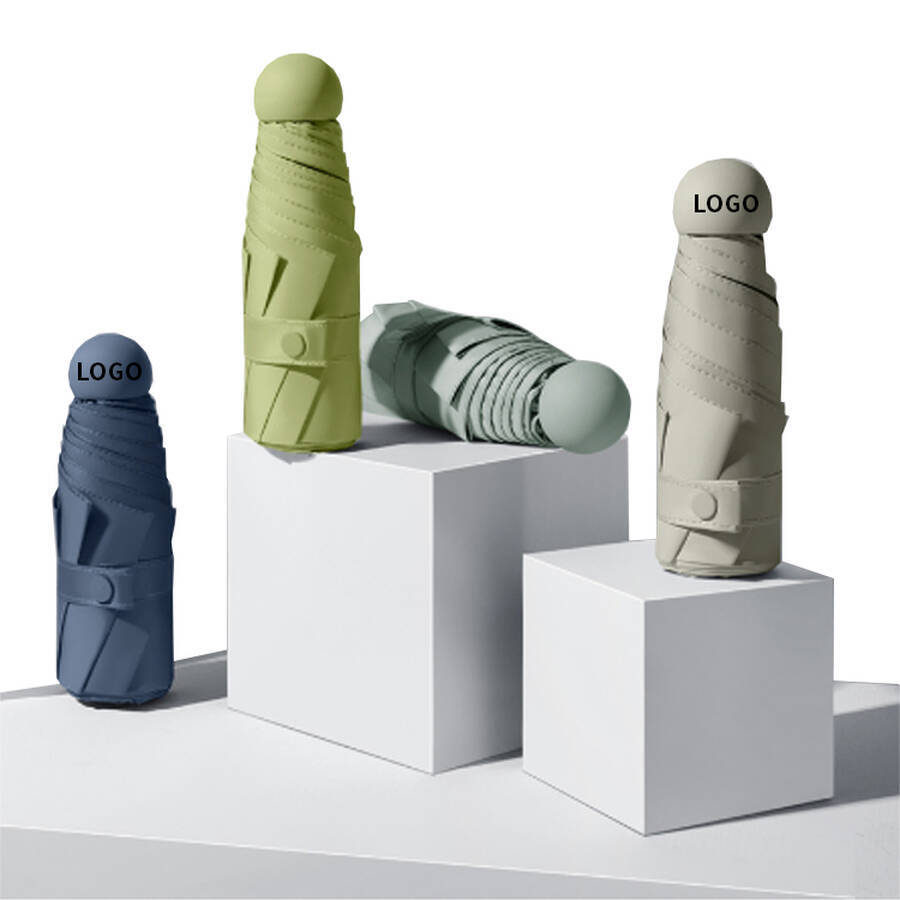
For booth-specific artwork, packaging and event preparation, review custom handheld fans for trade shows. Use that guide when the campaign is primarily exhibition-based; the planning here is intended to help compare booth distribution with travel and staff programs.
Travel Kits: Balance Luggage Space and Presentation
A hosted travel kit creates a more personal experience than a public booth handout. The fan has to fit the complete pack without making the bag or box difficult to carry, and it should remain organized after warehouse handling, hotel receiving and local distribution.
The final container should guide product selection. A drawstring bag, zip pouch, tote and rigid box each create different space limits. Selecting every item independently can lead to awkward assembly, uneven weight or an oversized final pack.
Test the Complete Kit Before Approval
Place every planned component inside the final container, then close, carry and reopen the set. This simple trial shows whether the fan presses against printed materials, shifts during handling or makes the pack feel unbalanced. It also reveals whether the kit remains easy to distribute at a hotel desk or registration area.
A compact format often combines more easily with travel documents, bottles, towels and personal accessories. The correct direction still depends on the complete combination. A slightly larger item may remain suitable when the container has enough structured space.
Use Individual Packing Where Presentation Matters
Travel kits normally connect one complete set with one participant, so individual packing supports cleaner assembly and more accurate counting. Loose bulk units may save space during transport, but they can look unfinished inside a carefully planned welcome set.
The unit pack does not always need to be elaborate. A neat sleeve, bag or compact box may provide enough separation from fabric items and printed materials. The correct level depends on the product, quantity, customization, packaging and destination.
Build One Clear Travel Theme
Every component should support the same journey. A cooling item may sit beside a travel pouch, luggage tag, bottle, compact towel, notebook or eye mask. A smaller coherent set often feels more considered than a crowded assortment chosen only to increase the item count.
Brand placement can follow a simple hierarchy. One product may carry the main logo, while the container and insert carry the broader campaign message. This keeps the set coordinated without repeating large artwork on every surface.
Start with confirmed participants, add any host or staff allocations and define replacement units where needed. For multi-stop trips, divide that total by destination before packing so each hotel, event desk or travel group receives a complete allocation.
Use a Drawstring Backpack for Fast Kit Distribution
A drawstring backpack gives the complete set a practical carrying role before, during and after the trip. It can hold the fan and other lightweight travel items while remaining easier to distribute than a large rigid presentation box.
Best suited to: hosted trips, conference registration, sports activities, outdoor programs and casual summer welcome kits.
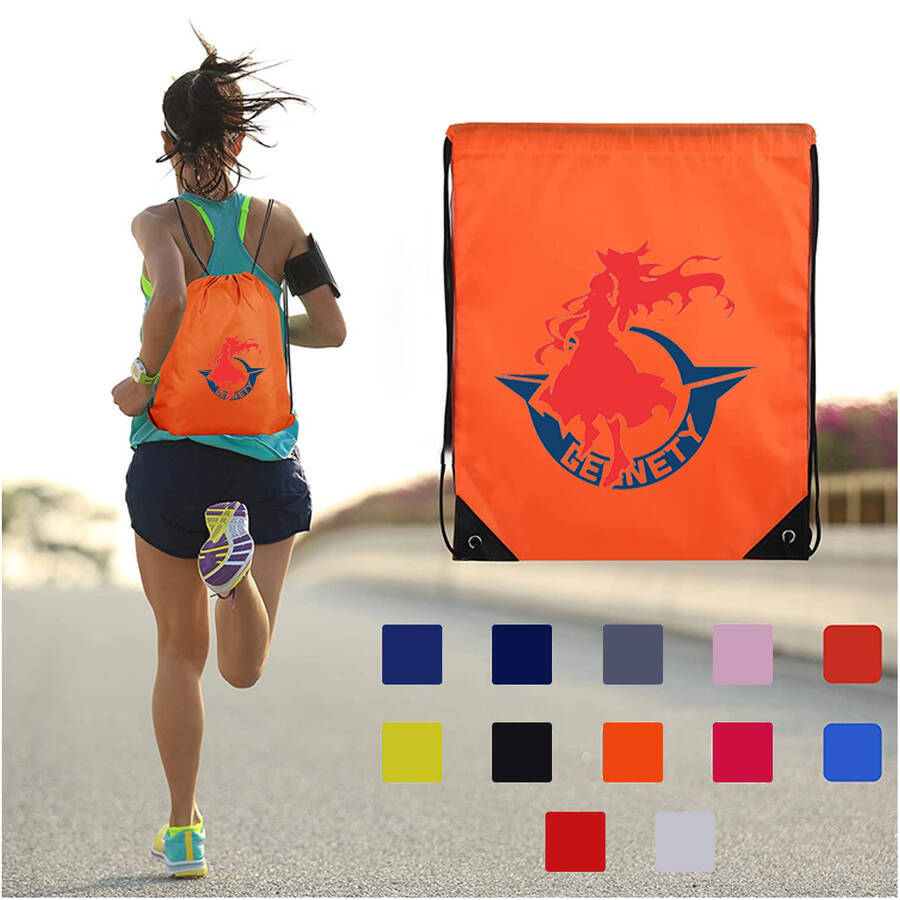 View Drawstring Backpack
 Split Multi-Stop Programs by Destination
A multi-city itinerary needs allocations by hotel, event desk or travel group rather than one total quantity. The packing list should identify complete kits, spare units, replacement inserts and local receiving contacts.
Carton numbering can follow destination order, itinerary date or participant group. Delivery should occur before registration, room placement or departure day so local teams have time to inspect selected cartons and resolve small assembly issues.
For broader seasonal combinations, explore KMSUPERB products for events and occasions. The final combination should remain compact, coherent and easy to handle at the destination.
Staff Summer Gifts: Plan for Fair, Phased Distribution
An internal summer program carries a different message from a public giveaway. The item should support comfort, recognition and seasonal care rather than short-term exposure alone. Distribution should also reflect office locations, outdoor roles, shift patterns and remote work arrangements.
One product can still support several groups, but the packing and handout route may change. Separate office, field, regional and remote teams before confirming the final quantity.
A Practical Staff Distribution Sequence
Phase 1: confirm headcount by office, site, shift and remote status.
Phase 2: assign a packaging level and receiving contact to each group.
Phase 3: release regional and remote quantities on planned dates.
Phase 4: retain a defined reserve for new starters, damaged packs or missed distribution.
Separate Office and Outdoor Use
Office use may involve desks, commuting, meetings and occasional outdoor travel. By contrast, field teams may carry work bags, move between sites or receive gifts through regional supervisors. The same seasonal theme can remain consistent while packaging and delivery adapt to those routines.
A simple needs map can identify location, work setting, shift pattern and local storage. This helps prevent a headquarters-led plan from overlooking practical site conditions.
Make the Care Message Clear
A short insert can connect the gift with warm commutes, outdoor work, business travel or seasonal wellbeing. Practical language usually feels more sincere than a heavily promotional slogan. Restrained branding also helps the item remain suitable for daily use.
Local managers should receive the same handout note, quantity list and timing instructions. Consistent execution strengthens the program message across locations and prevents different teams from inventing their own distribution rules.
Choose a Packaging Tier That Matches the Program
Broad internal distribution may need only neat unit packing and a message card. A hosted team, milestone group or recognition program may receive a fuller set. Any difference should follow a clear program reason rather than an arbitrary status label.
Separate carton marks should identify standard units, enhanced sets and reserve stock. This simple step prevents packaging tiers from mixing during regional sorting and later distribution.
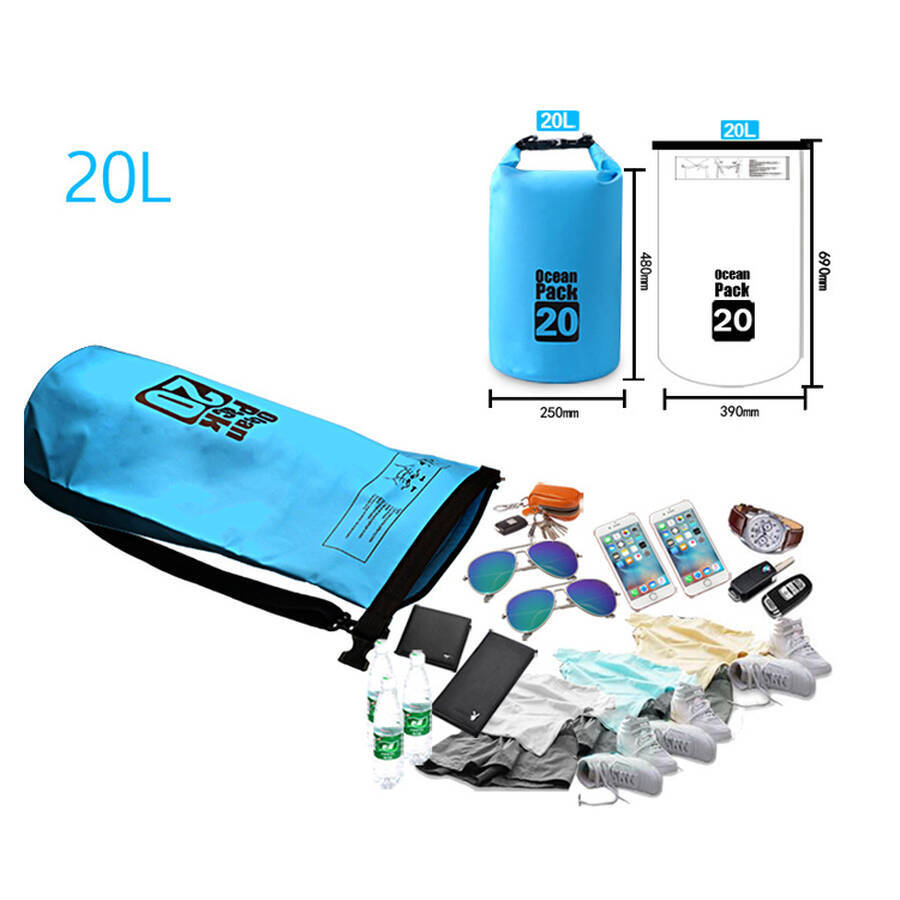
When the program needs several coordinated products, review KMSUPERB corporate gift sets. Every added component should support the same purpose and remain manageable across the planned distribution phases.
Compare the Three Campaign Scenarios
Related products can serve all three programs, but the execution model changes with the audience and handout route. Quantity, packaging, brand information, distribution and arrival timing should not follow one shared template.
Use the comparison below before product and artwork approval. It can also give event, marketing, HR, administration and procurement teams one shared set of campaign assumptions.
| Planning Area | Booth Giveaways | Travel Kits | Staff Gifts |
|---|---|---|---|
| Audience | High volume and short interactions | Named participants or travel groups | Teams across locations and shifts |
| Quantity method | Daily targets, shifts and reserve | Participant count and destination split | Headcount, phase and reserve purpose |
| Packaging | Simple unit protection | Individual packing in a coordinated kit | Standard pack or tiered presentation |
| Brand message | Immediate event recognition | Coordinated travel identity | Seasonal care and recognition |
| Distribution | Counter, event bag or activity handout | Registration, hotel or trip briefing | Desk, manager or regional shipment |
| Arrival plan | Before booth setup | Before kit assembly or placement | Before each internal release phase |
| Main risk | Slow handout or early depletion | Oversized kit or allocation error | Missed groups or unclear reserve ownership |
If you still need to compare fan formats before planning distribution, review the portable fan buying guide. Once the product direction is broadly established, the next step is to match quantity, packaging and delivery to the actual campaign setting.
Campaign Planning Checklist
A useful brief turns a seasonal idea into confirmed operating details. Work through these points before artwork, packaging and delivery decisions move forward.
State booth handout, hosted travel kit, staff gift or a defined mixed campaign. Describe the actual distribution moment, not only the campaign name.
Separate event visitors, hosted travelers, office teams, field staff, remote teams and regional locations where those groups require different handling.
Show the total and each split by event day, destination, work group or packaging tier. Add reserve stock only with a stated purpose.
Provide a preferred color and acceptable alternatives. Consider the booth palette, other kit products and the wider internal brand program.
Send the approved logo file, color references, preferred placement and the person responsible for artwork approval.
Describe individual protection, presentation packaging, other kit items, inner quantities and any carton-label requirements.
List every venue, hotel, office or warehouse. Include local receiving contacts and known access or delivery restrictions.
Set a required date for every destination and leave time for inspection, setup, assembly, room placement or local sorting.
Common Scenario Mismatches
Many avoidable problems begin when a suitable product enters the wrong distribution model. These checks help identify the mismatch before production and shipment planning.
Using a VIP Box for Mass Booth Distribution
A layered box can slow booth handouts and consume storage space. Keep premium sets for scheduled meetings or selected groups, while broad distribution uses a cleaner and faster unit pack.
Placing a Loose Item Inside a Presented Travel Kit
Loose bulk packing may look unfinished beside carefully arranged travel products. Add an appropriate individual layer that protects the item without making the complete kit oversized.
Treating Staff Distribution as a One-Day Activity
A single handout date can miss remote teams, late shifts and employees on leave. Divide stock into planned phases and record remaining quantities and unresolved groups.
Applying One Quantity Formula to Every Scenario
Booth stock follows estimated interactions, travel stock follows participant lists and staff stock follows headcount by location. Each calculation should reflect the real distribution method.
Approving Packaging Before the Delivery Route
Venue access, hotel receiving and individual mailing create different protection needs. Confirm the route first, then approve unit packing, presentation layers and outer cartons.
Prepare a Useful Campaign Quote Brief
A useful inquiry does not need to contain a finished product specification. It needs to separate the decisions that are already fixed from the areas where you still want a recommendation.
This distinction is especially useful when several departments are involved. Procurement may already know quantity and delivery locations, while marketing is still deciding color or artwork placement and the event team is confirming the final handout route.
Campaign setting, audience groups, approximate total quantity, destination splits and required arrival dates should be as clear as possible.
Send available logo artwork, color references, preferred placement, packaging expectations and information about other products in the kit or gift set.
If fan format, color alternatives, unit packaging or carton configuration is still open, state the practical limits instead of guessing a specification.
Final timing depends on the selected product, quantity, customization, packaging and destination. Share both campaign dates and required arrival dates early, and keep inspection, assembly and local preparation time separate from transport time.
Frequently Asked Questions
These questions cover decisions that often appear when one summer campaign includes different audiences, locations or handout methods.
Can the same fan format be used for booth giveaways, travel kits and staff gifts?
Yes, when the product remains practical in all three settings. The packaging, quantity split, presentation and distribution route may still need to change. A format that works across several scenarios does not mean every scenario should use the same packing and delivery plan.
Should booth quantity be based on total exhibition attendance?
Usually not by itself. Total attendance can be much larger than the number of people who actually reach the booth or qualify for the handout. Expected booth interactions, event hours, staff capacity and the distribution rule provide a more useful planning basis.
When should multi-city quantities be split before shipment?
Split them early when different venues, hotels, offices or regional teams have fixed allocations. Pre-divided cartons with destination identification reduce repacking, receiving errors and the risk of one location consuming stock intended for another.
Do staff summer gifts always need premium packaging?
No. Broad internal distribution may work better with neat unit protection and a simple message card. A fuller presentation makes more sense when the program is tied to a hosted group, milestone, recognition activity or coordinated gift set.
What should be tested before approving a travel kit?
Assemble the complete set in the final bag, pouch or box. Close it, carry it, reopen it and check whether the fan presses against other items, shifts during handling, makes the pack difficult to carry or interferes with the intended presentation.
Three Actions Before Inquiry
- Map every audience group to a specific handout method and quantity split.
- Match packaging with the booth, travel or staff distribution route.
- Set a required arrival date for every venue, hotel, office or regional destination.
Turn the Summer Plan Into a Clear Sourcing Brief
KMSUPERB can review the summer setting, audience split, product direction, logo artwork, packaging level, gift combination and destination requirements together. This makes it easier to compare suitable options without forcing one product or packing format into every campaign.
Before sending an inquiry, confirm what you already know and mark what is still open. At minimum, prepare the campaign setting, approximate quantity, distribution locations and required arrival dates; add logo artwork, preferred colors and packaging requirements when available.
Send Campaign Details for a Quote