Branded water bottles for trade shows need more planning than placing a logo on a reusable item. Once the bottle format is chosen, the next decisions are how many units each audience receives, how stock is packed and labelled, and when it must reach the venue. Stock may need to stay separated for visitors, staff, speakers, scheduled meetings, and VIP presentations across several event days or cities.
Packaging affects booth speed because loose bottles, individual boxes, and prepared sets create different storage and handover needs. Unclear carton labels can also leave the correct products in the wrong warehouse, loading area, or booth zone. Logo position, quantity allocation, replenishment, packaging, carton coding, receiving contacts, and arrival dates must therefore support one practical operating plan. If the product category is still undecided, start with the trade show merchandise guide; this guide begins after water bottles have become the chosen event item.
Quick Navigation
Plan Branded Water Bottles for Trade Shows by Audience
Separate every handover purpose before confirming the total quantity.
One total order quantity does not explain how stock will move during an exhibition. Instead, it hides several separate programs inside one number. General visitors, booked meetings, staff members, speakers, partners, VIP guests, and emergency reserve inventory may all need different presentation levels.
Start the planning document by dividing the project by recipient group. Give each group an estimated quantity, packaging format, storage point, replenishment method, and responsible event role. This structure protects restricted inventory while keeping high-volume distribution fast.
Open Distribution
Booth Visitors
Simple packaging and small working batches support quick handovers during busy periods.
Planned Handover
Scheduled Meetings
Reserved units can follow appointment lists and remain outside the public stock area.
Pre-Issued Stock
Staff and Speakers
Named lists, team codes, or session groups prevent early stock loss.
Restricted Access
VIP and Reserve
Distinct labels and a named release owner keep premium inventory controlled.
Match the bottle format with the distribution lane
The distribution plan should shape the bottle shortlist. A high-volume handout needs a different balance of size, weight, packing density, and opening speed from a boxed meeting gift. Compare the real packed product rather than choosing from an isolated product photo.
| Distribution Lane | Compare First | Practical Direction | Main Risk to Check |
|---|---|---|---|
| General booth handout | Empty weight, bottle dimensions, units per carton, and simple packing | Compact, lightweight bottle with a clear logo area | Bulky bottles can consume booth and freight space quickly |
| Staff and speakers | Capacity, lid type, carry method, and refill routine | Daily-use format that can be issued before opening | A bottle that leaks or is awkward to carry disrupts event use |
| Scheduled meetings | Surface finish, logo method, individual box, and pack orientation | More considered bottle with controlled presentation | Presentation packaging may slow distribution and increase carton volume |
| VIP or partner presentation | Set composition, box dimensions, component count, and restricted storage | Prepared bottle set released against a named list | Mixed components or unclear labels can break the presentation |
General visitor stock
Visitor inventory normally supports the highest distribution volume. Booth staff should not need to open a complex box, remove several inserts, or search through mixed cartons for every handover. Loose units, protective bags, or simple individual packaging can work when the selected product and transport plan support that approach.
A basic release rule can protect the daily allocation. For example, distribution may follow badge scanning, a product demonstration, a completed survey, or a qualified booth discussion. However, the rule should remain easy for different shifts to apply in the same way.
Only a limited working quantity should remain visible at the counter. A full-day supply can crowd the display and encourage unrecorded removal. Instead, smaller batches can move from labeled replenishment cartons during scheduled stock checks.
Appointments, speakers, and internal teams
Scheduled meetings usually need a more considered presentation. A boxed bottle or coordinated set may support distributor discussions, partner appointments, media meetings, or formal presentations. Keep this stock against the appointment schedule rather than inside the public booth supply.
Staff and speaker units should be prepared before opening. Names, departments, shifts, or session codes can guide distribution. Speaker reserves can stay with the conference coordinator, avoiding urgent movement between the main booth and meeting rooms.
For a multi-day exhibition, later appointments need protection from early demand. Day-specific cartons or meeting packs make this easier. At closing time, the event lead can record the balance and move sealed inventory forward without reopening every carton.
VIP and emergency reserve inventory
VIP inventory should have the clearest access restriction. The bottle may remain similar to the meeting version, while the box, insert card, sleeve, or set combination changes. Give the outer carton an obvious code that does not rely on memory.
Emergency reserve stock covers breakage, added registrations, unplanned meetings, misplaced units, and uneven attendance. Still, reserve quantity needs a stated reason. A vague percentage may create unnecessary surplus or provide too little protection.
A release trigger keeps the reserve meaningful. For instance, the inventory owner may open it only after daily working stock falls below a set level. This simple rule prevents backup cartons from becoming ordinary stock on the first morning.
Use one distribution map for related event items
Bottles often sit beside tote bags, notebooks, portable fans, printed cards, or meeting materials. Once the audience groups are clear, related items can follow the same stock codes and release plan. The events and occasions collection provides additional directions for conferences, exhibitions, internal programs, and coordinated event packs.
Explore Event Gift OptionsMake Logo Placement Work Inside the Booth
Approve the viewing position under real handling and display conditions.
A logo can look balanced on a flat artwork proof and still become difficult to see during an event. Fingers may cover the main mark, a curved surface may distort wide artwork, or the bottle may naturally face away from the aisle. Placement approval needs to reflect ordinary use rather than an isolated digital mockup.
Four checks matter most: viewing distance, grip position, tabletop orientation, and packaging direction. Together, these checks show whether the mark will remain readable while the bottle sits on a counter, enters a meeting pack, or appears beside presentation materials.
| Placement Check | What to Review | Why It Matters |
|---|---|---|
| Viewing distance | Check the mark from the aisle, counter edge, and meeting seat. | A screen-size logo may appear too small inside a busy booth. |
| Grip zone | Hold the sample naturally and note finger coverage. | The main brand element should remain visible during use. |
| Natural front | Review the lid, handle, seam, spout, or opening direction. | Staff can position bottles without repeated checking. |
| Pack orientation | Inspect the first visible side after opening the package. | The opening sequence should support the presentation. |
Readability and surface shape
Strong readability depends on clear artwork, useful contrast, and enough open space around the mark. However, simply enlarging the logo may not solve the problem. Wide artwork can wrap around a cylindrical surface, causing outer letters or graphic elements to disappear from a frontal view.
Bottle diameter also changes the available display area. A slim insulated water bottle and a wider stainless steel water bottle may need different proportions. Give the selected model its own placement proof rather than copying coordinates from another shape.
Exhibition lighting can add another variable. Glossy surfaces may reflect overhead lights, while dark finishes may reduce contrast for some artwork colors. The visual proof should therefore show the chosen product color and final logo color together.
Table display and packaging alignment
Meeting tables normally create one natural viewing direction. The mark can face the aisle, the meeting participant, or the presentation area. One clear instruction works better than a detailed display manual because event staff need to arrange the space quickly.
Packaging can carry short-term event information while the bottle carries the lasting corporate identity. For example, a removable sleeve may show the event city, campaign name, or booth message, while an insert card can include an agenda, QR code, or follow-up information.
Fast handout stock should not require manual rotation before every distribution. Instead, one packing orientation can place the logo in the expected position as soon as the carton or box opens. This small decision saves time during busy sessions.
Branding Reference
Review decoration after the viewing position is clear
Placement and decoration answer different planning questions. Placement controls visibility and handling, while the decoration decision addresses how the approved artwork appears on the selected surface. The guide to custom drinkware branding provides additional context for artwork, drinkware formats, and coordinated presentation.
Read the Branding GuideTurn the Total Quantity into Working Inventory
Allocate stock by day, zone, recipient group, color, language, or city.
A total quantity becomes operational only after the event team divides it into clear stock groups. Otherwise, early traffic may consume later-day inventory, or meeting sets may enter the public handout area. Connect every group in the quantity sheet with a packaging code, carton number, release rule, and responsible role.
The same wording should appear in the allocation table, packing list, and carton labels. If one document says “Day 2 General” while the carton says “Mixed Event Stock,” the booth team must interpret the difference under time pressure. Consistent naming removes that risk.
Allocate by event day
Daily traffic is rarely equal. Opening day may attract media and partner meetings, while the final day may have shorter operating hours. A keynote session or product presentation can also create a temporary peak. A flat daily split may provide too much stock on one day and too little on another.
Each day can include opening stock, replenishment stock, and reserve inventory. At closing time, the inventory owner records loose units and sealed cartons. This balance supports a practical adjustment before the next morning begins.
Allocate by booth, meeting room, or event zone
Large exhibitions may include a main booth, registration area, demonstration zone, private meeting room, and hospitality space. A distant central stockroom can slow distribution, so smaller zone allocations may make replenishment faster and clarify responsibility.
Transfer rules are still necessary. One zone may request a sealed carton after reaching a minimum balance. Recording the carton number shows where the inventory moved and prevents the same carton from appearing in two location totals.
Allocate by audience, color, or language
Audience categories protect different presentation levels. General visitors, meeting participants, staff, speakers, partners, and VIP guests may receive different packs. Color can provide a quick visual code when several versions use a similar product shape.
Regional events may require different insert cards or language versions. These materials should be separated during packing rather than sorted at the destination. City codes and language codes can appear in both the inventory sheet and carton label.
| Stock Group | Quantity Basis | Packaging Direction | Release Rule | Responsible Role |
|---|---|---|---|---|
| General booth traffic | Expected daily scans or qualified stops | Bulk pack, protective bag, or simple carton | Released from daily working stock | Booth operations lead |
| Scheduled meetings | Appointment count plus controlled reserve | Individual box or prepared set | Released against the meeting schedule | Meeting coordinator |
| Staff and speakers | Roles, shifts, and session lists | Pre-issued unit or named pack | Released before event opening | Event manager |
| VIP and reserve | Confirmed list, uncertainty, and event risk | Presentation pack or sealed restricted carton | Named approval or trigger point | Senior event lead |
Illustrative Allocation
Turn one event estimate into separate stock lines
For example, a three-day project may require 700 general handouts, 60 units for scheduled meetings, 25 for staff and speakers, 15 for VIP presentations, and 50 controlled reserve units. The total is 850 units, but the packing and release plan should still treat these as five separate groups.
General stock can be divided by expected traffic for each day instead of using a flat split. Meeting, staff, speaker, and VIP quantities can follow confirmed lists. The 50 reserve units should remain sealed until the recorded release trigger is reached. This is a planning example, not a universal reserve percentage.
A practical quantity review should answer five questions
- How many units can enter general distribution each day?
- Which cartons must remain sealed for later days or cities?
- Which groups require individual boxes or prepared sets?
- Who can release VIP and emergency reserve inventory?
- Where will remaining stock move after the exhibition closes?
Choose Packaging for Booth Speed and Presentation
Match the pack format with handover speed, storage space, and recipient type.
Packaging must protect the product during transport and support efficient event operations. A structured box may look appropriate for a formal meeting, yet it can slow a high-volume booth line. Conversely, a loose bottle may move quickly but feel incomplete during an executive handover.
Build the packaging plan from the distribution map. Most projects need only a small number of clear levels rather than a different pack for every group. A simple visitor format and a prepared meeting format often provide enough flexibility.
Fast Booth Lane
Bulk or Loose Packing
Suitable for high visitor volume, simple release rules, and frequent replenishment.
- Less opening time at the counter
- Lower packaging waste inside the booth
- Requires clean handling and suitable protection
Controlled Presentation
Individual Boxes
Suitable for appointments, media packs, speakers, and smaller qualified groups.
- Clear unit control and organized handover
- Higher carton volume and more booth waste
- Needs consistent box and logo orientation
Formal Handover
Prepared Gift Sets
Suitable for partner meetings, speakers, VIP programs, and executive appointments.
- Ready for immediate presentation
- Reduces on-site assembly work
- Requires a fixed component list before packing
Bulk packing and under-counter replenishment
Bulk packing supports fast access to several units at once. However, the selected finish may still need inner protection, separation, or individual bags. Those details depend on the product, quantity, customization, packaging, route, and destination.
Only the next working quantity should sit under the counter. Too many cartons block staff movement and turn the booth into a temporary warehouse. Sealed reserve cartons can remain in an approved storage area with clear access control.
A visible threshold can trigger replenishment. For example, another batch may move forward when the display tray reaches one-third capacity. The threshold should match actual booth traffic and the distance to the storage area.
Individual boxes and prepared sets
An individual box keeps each unit organized and supports a cleaner handover. Nevertheless, it adds carton volume and creates empty packaging during the event. This format works best when the recipient list is controlled and presentation carries more weight than speed.
A prepared set may combine a bottle with a notebook, pen, card, tote, or another practical item. Every additional component increases picking and checking work, so the final component list should be fixed before assembly begins.
Pre-packed sets are normally easier to manage than on-site assembly. Loose components can go missing during setup, while limited workspace slows preparation. A complete set carton should state the number of finished sets, not only the number of bottle units.
Event Product Options
Match the product format with the distribution lane
A high-traffic booth and a scheduled executive meeting should not rely on the same handover process. The following options create two clear paths: a direct bottle format for broader event use and a coordinated set for more structured presentations.
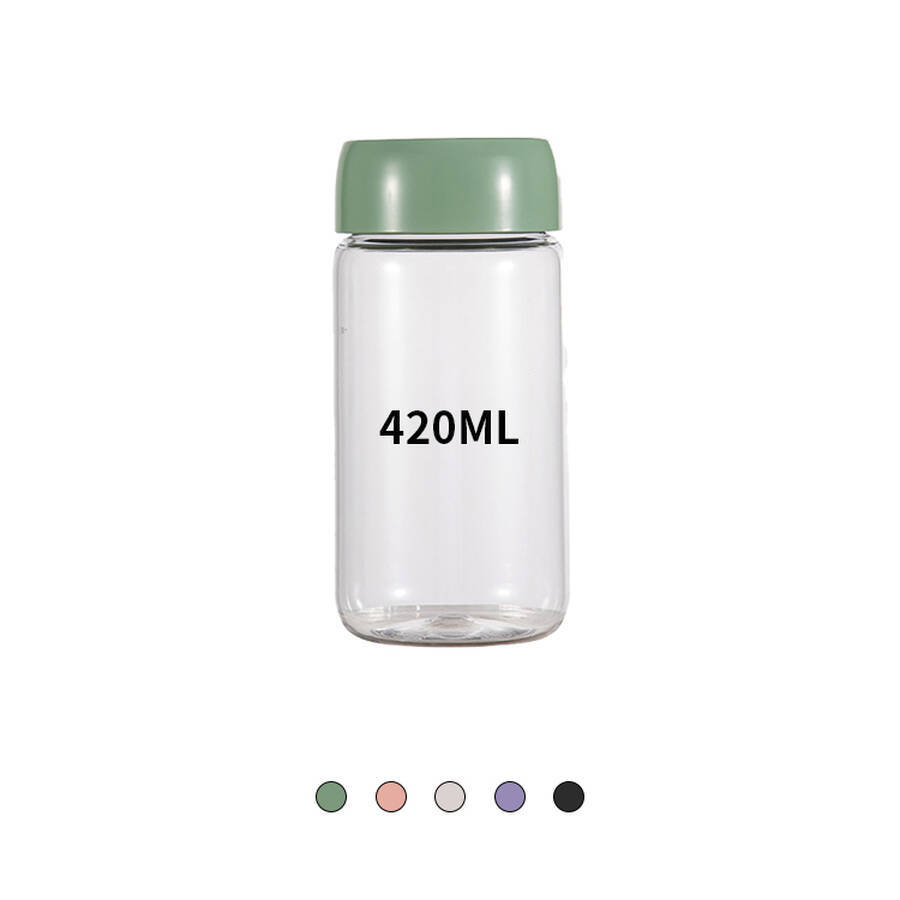
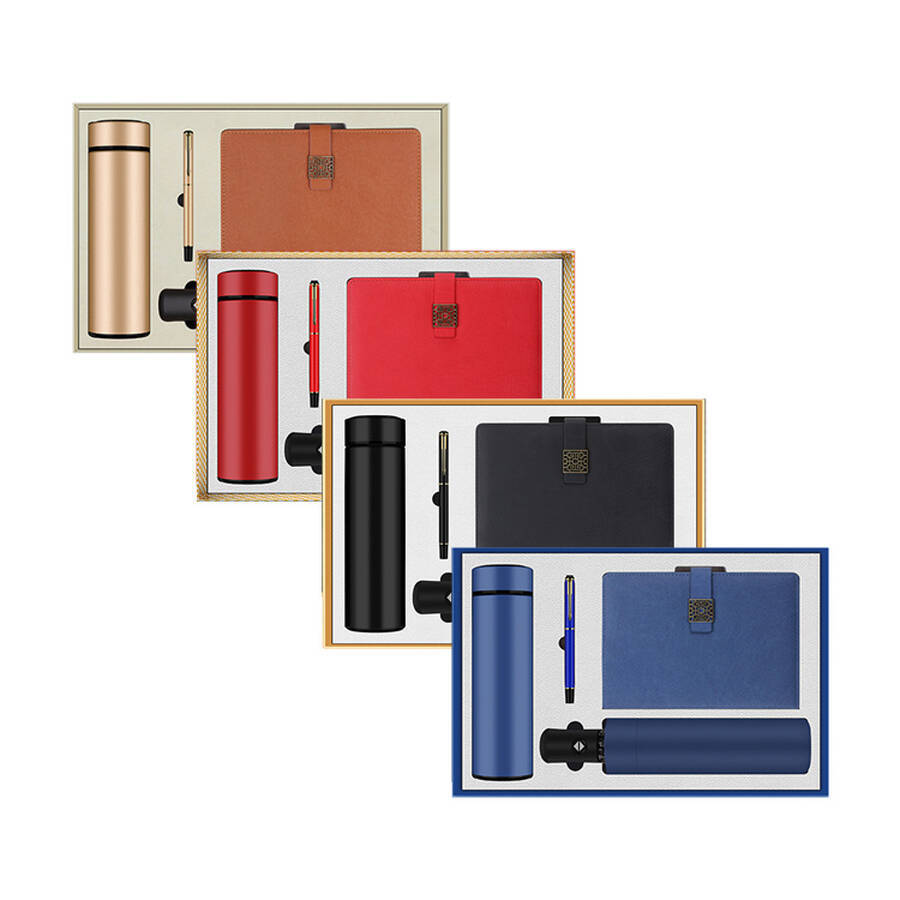
Which event setup suits each packaging direction?
| Event Setup | Suitable Product Plan | Packaging Direction | Main Priority |
|---|---|---|---|
| High visitor traffic | Direct bottle handover | Bulk pack or protective bag | Fast replenishment |
| Appointment-led exhibition | Prepared drinkware presentation | Individual box | Controlled handover |
| Staff or speaker program | Clearly coded bottle group | Pre-issued unit or named pack | Issue before opening |
| VIP or partner meeting | Coordinated bottle set | Presentation box | Restricted release |
| Multi-city program | Consistent core format | City-coded cartons and local inserts | Version control |
Make Carton Labels and Shipping Instructions Operational
Every carton should explain where it belongs, what it contains, and when it should open.
A freight label may move a shipment to the correct building without helping the event team identify the contents. Generic wording such as “promotional items” provides little value during receiving or booth setup. Instead, internal carton labels should connect the shipment with the quantity allocation plan.
Warehouse delivery, hotel delivery, and direct venue delivery may follow different procedures. The packing list, freight label, venue label, and internal stock code need compatible instructions rather than competing destination information.
Essential carton label fields
Carton sequence and content codes
Every outer carton should have a unique sequence, such as 01 of 20, 02 of 20, and onward. The packing list must use the same system. If one carton is delayed or misplaced, the missing number becomes visible immediately.
The sequence can also reflect the content plan. Cartons 01 through 08 may hold general visitor stock, while cartons 09 and 10 contain meeting sets. However, the label should still state the stock group rather than relying only on the number.
Multi-city projects need an event or city code before the sequence. This reduces confusion when several shipments pass through the same regional warehouse or freight partner. The same code should appear in the allocation sheet and onward transfer documents.
Destination, contact, and delivery route
The receiving contact should understand the shipment and event schedule. A general office number may not help during evening setup or a restricted delivery window. The confirmed contact needs enough information to receive, redirect, or escalate the shipment.
A warehouse may require appointment booking, reference numbers, receiving hours, or pallet instructions. A venue may instead use an official handling partner, loading dock, move-in slot, or temporary storage area. These conditions should appear in the delivery plan before dispatch.
Arrival at the venue does not always mean arrival at the booth. The final internal transfer may take additional time. Set the required arrival date early enough for inspection, counting, and movement from the receiving area to the event space.
Receiving and onward transfer
A simple receiving record can capture the carton count, visible condition, and missing sequence numbers. Photos of the shipment and damaged areas can support quick decisions. Shortages should be reported before booth setup begins.
For a second city, the remaining stock needs new destination labels and an updated packing list. Old labels should not remain dominant. The revised document should show the new route, current quantity, carton sequence, and responsible contact.
Complete the Pre-Event Approval and Quote Brief
Connect the artwork, inventory file, receiving route, and booth owner before dispatch.
Product approval alone does not make the project event-ready. Artwork, allocation, packaging, carton labels, freight, receiving, replenishment, and leftover stock handling must support the same plan. Bring these decisions into one current document for the final review.
The review does not need to become a long meeting. A short check with clear ownership can reveal outdated artwork, mixed stock codes, missing contact details, or an arrival date that leaves no inspection time.
Product and artwork
- Selected bottle format, color, and capacity direction confirmed
- Final logo file and version name identified
- Placement checked for grip and table display
- Packaging orientation matched with the logo side
- Older artwork removed from active production folders
Inventory and booth control
- Quantity divided by day, group, city, or zone
- Reserve quantity and release trigger recorded
- Carton codes matched with the allocation sheet
- Working and restricted storage points identified
- On-site inventory owner and backup role named
Shipping and receiving
- Destination and receiving organization confirmed
- Named contact and telephone number checked
- Warehouse or venue procedure understood
- Required arrival date separated from opening day
- Inspection and booth transfer time included
Post-event route
- Remaining loose and sealed stock counted
- Return, transfer, or local storage route selected
- New labels prepared for the next city
- Empty packaging removal plan agreed
- Final inventory balance assigned to one role
Common trade show mistakes
Information needed for a useful quotation
A practical quote brief should explain the event operation as well as the product request. A general request for custom bottles leaves too many open decisions. A stronger brief connects the product format with audience groups, packaging, carton labels, destination, and required arrival timing.
- Event name, dates, city, venue, booth, or hall
- Target use and recipient groups
- Total quantity and allocation table
- Preferred bottle format or capacity direction
- Logo file and brand color references
- Packaging format for each stock group
- Carton label wording and sequence format
- Destination and named receiving contact
- Warehouse or venue delivery instructions
- Required arrival date and inspection buffer
Packaging notes should state the operating reason. For example, “individual box for scheduled distributor meetings” provides more useful direction than “premium packaging.” Likewise, the quantity section should show the split between public, meeting, staff, VIP, and reserve inventory.
Artwork files can remain separate from the operating document. However, the quote brief should identify the current file name and version. This prevents an older logo layout from returning during later revisions.
Frequently Asked Questions
These questions cover the decisions that most often affect booth presentation, stock control, packing, and delivery.
Where should a logo be placed on a trade show water bottle?
The mark should remain readable during natural grip, counter display, and meeting-table use. Placement should avoid the main finger zone and excessive curve distortion. The preferred side should also align with the lid, handle, seam, spout, or natural front of the selected bottle.
How should bottle quantities be allocated across event days and audiences?
The total should be divided by day, event zone, recipient group, color, language, city, or packaging level. General handouts, scheduled meetings, staff units, VIP inventory, and emergency reserve stock should not share one open pool. Each group also needs a release rule and responsible role.
Which packaging format supports fast booth distribution?
Bulk packing, protective bags, or simple individual packs normally support high-volume handovers. Individual boxes and prepared sets suit scheduled meetings or formal presentations. The final format depends on the selected product, surface protection, quantity, booth storage, destination, and presentation level.
What carton label information helps venue or warehouse delivery?
Useful fields include the event name, city, venue, booth or hall, carton sequence, stock group, quantity, receiving contact, and internal delivery instruction. The packing list should repeat the same codes. For multi-city programs, an event or city prefix improves identification.
What should be confirmed before approving a trade show bottle order?
The final review should confirm the bottle format, color, logo file, placement, quantity allocation, packaging levels, carton labels, destination, receiving route, and required arrival date. The plan should also identify the on-site inventory owner, reserve release rule, inspection buffer, and post-event stock route.
Trade Show Project Enquiry
Prepare the Event Bottle and Delivery Brief
For a practical quotation, contact KMSUPERB with the quantity, logo file, target use or event, packaging requirement, destination, and required arrival date. The allocation table, city or booth information, carton label rules, and receiving contact will help connect the product with the real event schedule.
Final options and timing depend on the selected product, quantity, customization, packaging, destination, and transport route. Sharing these details early allows branded water bottles for trade shows to follow a clear distribution, replenishment, and logistics plan.
Send the Project Requirements